US Business Community Files at Least 22 Lawsuits Against Biden Administration Regulations
Obama First Term Had 15 Cases, Trump Era Only 3
Opposition to Credit Card Late Fee Caps and Abolition of Non-Compete Agreements
The Biden administration is facing a fierce barrage of lawsuits from the U.S. business community, CNBC reported on the 29th (local time). The business sector is criticizing the various private sector regulations that have increased since President Biden took office as an abuse of authority.
According to the report, the U.S. Chamber of Commerce expects to file at least 22 lawsuits against regulatory agencies before President Biden's term ends. This is a significant increase compared to the number of lawsuits during the first Obama administration (15 cases) and the Trump administration (3 cases). The American Bankers Association (ABA), which had not engaged in any legal disputes against the administration for over a decade since the second Obama term, has also filed four lawsuits against the Biden administration.
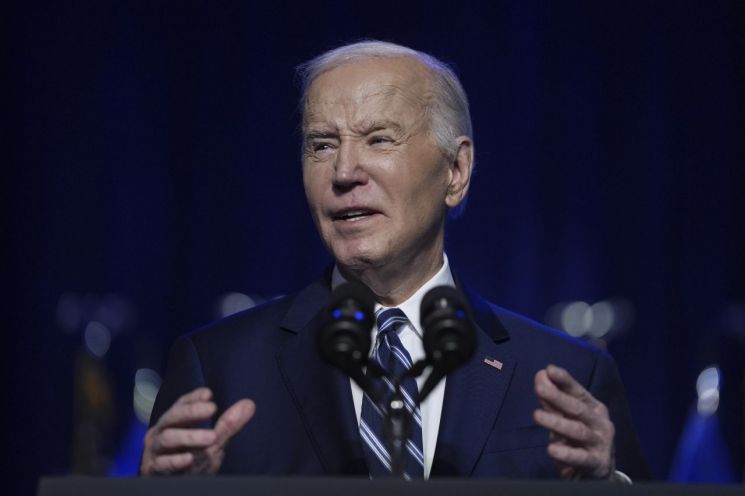
These U.S. business groups are demanding the rollback of the Biden administration's private sector regulations. Last month, the Consumer Financial Protection Bureau (CFPB) established a rule capping credit card late fees at $8. At the time, the regulatory agency justified the rule by stating it aimed to reduce the debt burden on low-income individuals hit hard by prolonged high interest rates following COVID-19. However, the business community opposed the forced regulation of credit card companies' late fee assessments, arguing it was an overreach of regulatory authority. Critics also pointed out that the new rule could lead to more people comfortably paying late fees, damaging their credit scores and ultimately harming consumers in the long term.
Controversy over regulatory overreach has recently flared again. On the 24th, the Federal Trade Commission (FTC) faced a lawsuit from the U.S. Chamber of Commerce after abolishing non-compete agreements in employment contracts that prevent workers from moving to competitors or starting their own businesses. The Chamber condemned the FTC, stating, "Considering the economic and social impact of the non-compete ban, the decision-making authority should lie with Congress, not the FTC," and argued that non-compete agreements are essential to protect company trade secrets and proprietary information. The FTC's position is that companies should rely on separate protective measures, such as non-disclosure agreements, rather than non-compete contracts.
This regulatory activity is interpreted as reflecting President Biden's intentions and political calculations. In the case of the credit card late fee reduction, it is estimated that about 45 million Americans will save $220 annually. Some analysts view this as a strategic move by the Biden administration to regain support from low-income voters ahead of the November election, where support has recently stagnated.
Neil Bradley, Executive Vice President of the U.S. Chamber of Commerce, criticized in a CNBC interview, "There are about 1,000 regulations to be finalized this year, with over 200 having an economic impact exceeding $200 million annually," adding, "We cannot comply with the authoritarian precedents set by regulatory agencies." Rob Nichols, CEO of the ABA, stated, "If regulatory agencies create rules beyond their authority while ignoring constructive feedback from banks and other stakeholders, we have no choice but to file lawsuits."
White House spokesperson Michael Kikukawa defended the administration in a statement to CNBC, saying, "We are confident that regulatory agencies are acting within their authority," and argued, "These rules help American workers and families by raising wages, lowering costs, saving lives, and building a fairer economy."
© The Asia Business Daily(www.asiae.co.kr). All rights reserved.