From 2027, the sale of imported goods made with forced labor will be completely banned across the European Union (EU).
On the 23rd (local time), the European Parliament announced that the regulation banning the sale of forced labor products was passed at the plenary session held in Strasbourg, France, with 555 votes in favor, 6 against, and 45 abstentions.
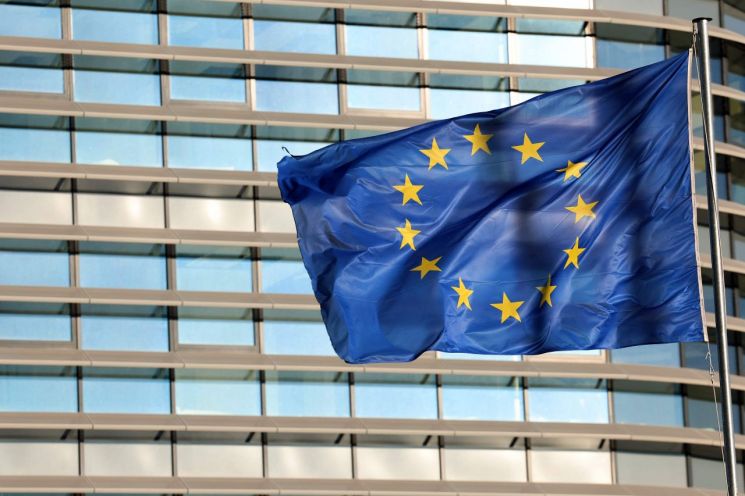
If the Council, representing the 27 countries, approves the regulation, it will be promulgated and come into effect. Member states must implement the regulation within three years from the effective date.
According to the regulation, products involving forced labor in the production process will be completely banned from import and export within the EU. It applies to all companies and industries. Sales on online markets within the EU are also subject to the regulation.
Once the regulation is enforced, the European Commission can decide whether to conduct ex officio investigations into products suspected of involving forced labor based on factual and verifiable information obtained from international organizations, cooperating authorities, whistleblowers, and others.
If a sales ban is imposed under the regulation, products must be immediately recalled throughout the EU, and inventory must be donated, recycled, or disposed of. Failure to comply will result in fines. Companies subject to sanctions can resume sales in the EU only after proving that they have completely eliminated the 'forced labor practices.'
The EU will hold a final vote on the 'Supply Chain Due Diligence Directive' on the 24th. This regulation imposes obligations on companies to prevent and address human rights and environmental harms such as forced labor and deforestation in their supply chains. It serves as a legal guideline requiring member states to enact separate domestic laws, allowing some discretion to each country.
In contrast, the forced labor ban regulation is the strongest form of EU legislation applied uniformly across the EU.
Some voices say the regulation targets the Xinjiang Uyghur region of China, where forced labor allegations have been continuously raised, but since it applies to all companies and industries, Korean companies are also advised to be cautious.
© The Asia Business Daily(www.asiae.co.kr). All rights reserved.
![Clutching a Stolen Dior Bag, Saying "I Hate Being Poor but Real"... The Grotesque Con of a "Human Knockoff" [Slate]](https://cwcontent.asiae.co.kr/asiaresize/183/2026021902243444107_1771435474.jpg)
















