Special Briefing After Central Disaster and Safety Countermeasure Headquarters Discussion This Afternoon
Presidential Office: "Numbers Are Open, Positive About Acceptance"
50-100% Autonomous Recruitment by University
Considering Next Year's Admission Process: "Need to Decide Quickly"
Cold Reaction from Medical Community Is a Variable
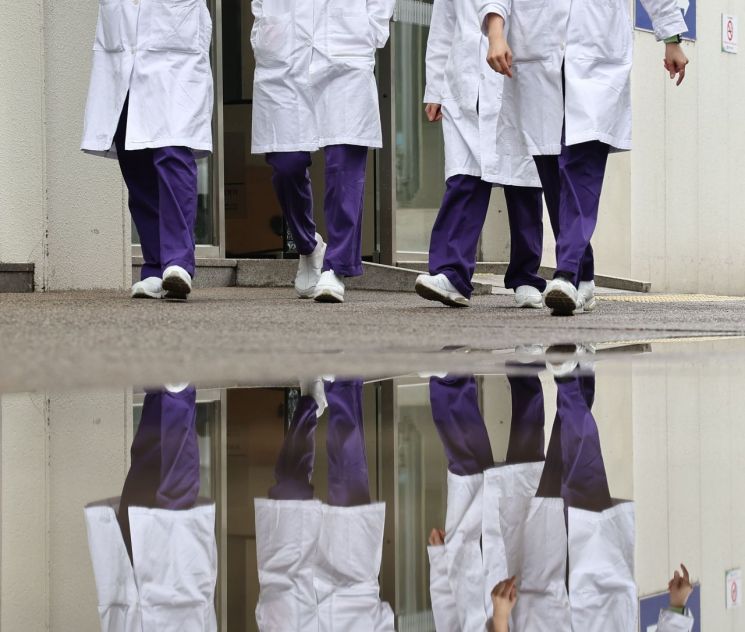
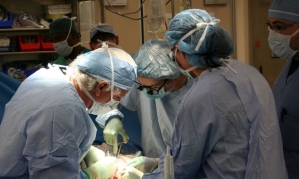
The government will actively accept the proposal from national university presidents on the 19th to allow adjustments to the scale of medical school quota increases, and will reduce the previously maintained 'increase of 2,000 students.' Prime Minister Han Duck-soo is expected to positively review the 'autonomous increase plan for medical school quotas by each university' at the Central Disaster and Safety Countermeasures Headquarters (CDSCH) meeting on doctors' collective action, which he will preside over in the afternoon. Although the government has indicated a reduction in medical school quota increases and taken a progressive stance to resolve conflicts with the medical community, doctors have unanimously voiced "unacceptable." It remains uncertain whether the deadlock in the medical-government relationship can be resolved.
According to the government, the CDSCH meeting on doctors' collective action will be held at 2 p.m. that day, chaired by the Prime Minister. The key agenda at the meeting will be the 'plan for autonomous recruitment of 50-100% of next year's medical school quota increase' proposed by some national university presidents the previous day.
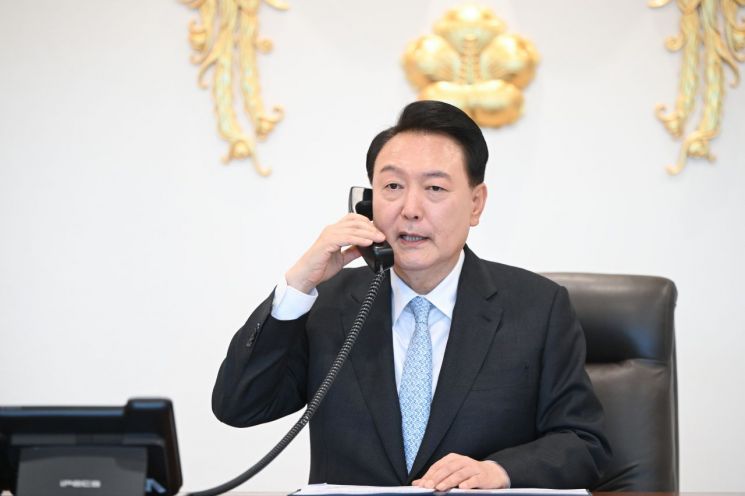
A senior official from the Presidential Office told Asia Economy on the same day, "Regarding the increase of 2,000 medical students, we can think flexibly without being fixated on the number." A government official also said, "National university presidents proposed allowing universities to autonomously adjust within the range of 50-100% of the medical school quota increase," adding that while no conclusion can be predicted, the atmosphere is positive.
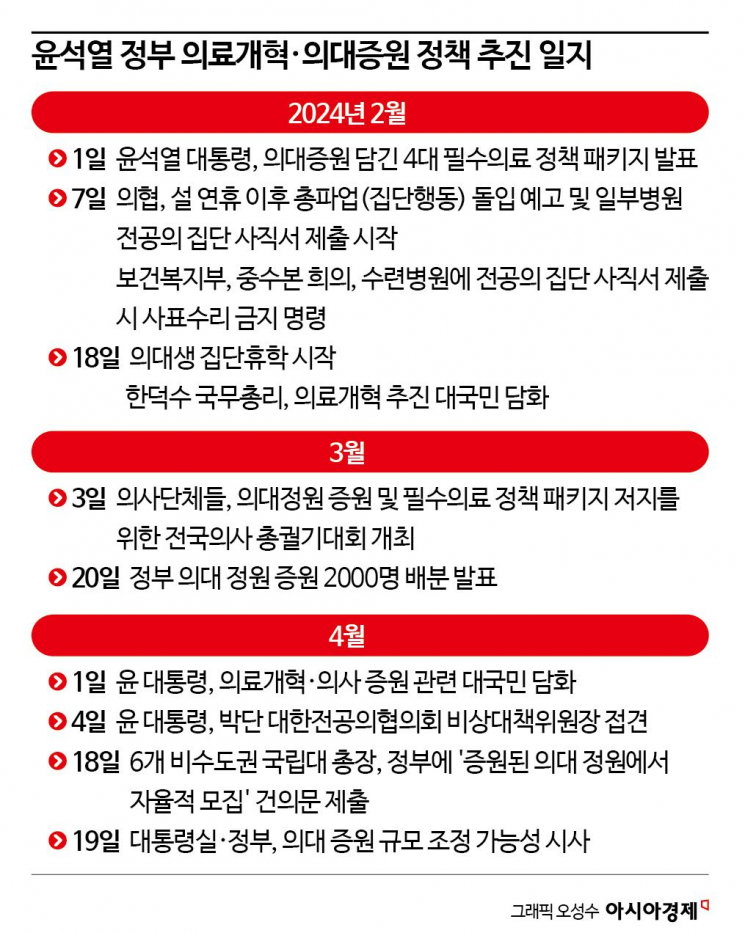
Presidents of six national universities including Kangwon National University, Kyungpook National University, Gyeongsang National University, Chungnam National University, Chungbuk National University, and Jeju National University proposed to the Ministry of Education the previous day, "For the 2025 academic year university admissions, please take necessary measures to allow autonomous recruitment of new students within 50-100% of the increased medical school quotas, considering each university's own circumstances." If these universities recruit only 50% of the increased quota, the medical school quota for next year will be 4,542 students. This is an increase of 1,484 students compared to the current quota of 3,058. Compared to the government's annual increase of 2,000 students, this is more than 500 students fewer. Since Prime Minister Han plans to hold a briefing and announce the results in the afternoon, it is expected that the government will partially accept the 'autonomous increase plan by university' as a way to resolve conflicts with the medical community.
A Presidential Office official said, "The national university presidents with medical schools brought a proposal that can be considered reasonably, so we are reviewing it positively," adding, "It is a plan that preserves the purpose of increasing medical school quotas by granting autonomy." The official also expressed the view that a quick decision is necessary as universities must submit their admission implementation plans for next year to the Korea Council for University Education by the end of this month, and the timeline is tight. If the medical-government conflict continues without finding a solution, confusion among examinees could increase.
Presidential Medical Reform Special Committee to Launch Next Week
Along with adjusting the medical school quota increase, detailed plans for medical reform will also be prepared. The government will launch the Presidential Medical Reform Special Committee next week, composed of about 20 members including medical professionals such as doctors, Korean medicine doctors, pharmacists, nurses, patient group representatives, and health and welfare experts, and hold its first meeting. Seats for representatives from the Korean Medical Association and the Korean Intern Resident Association, who oppose the medical school quota increase, will be left vacant.
A Presidential Office official said, "The composition of the Medical Reform Special Committee is almost complete," adding, "We have requested that the resident seats remain vacant and that they continue to attend, and the committee must be launched before it is too late." The chairperson of the special committee, who can influence decision-making, will be a health and welfare expert. Presidential Office personnel will not attend the first meeting; instead, the Minister of Health and Welfare and the Minister of Justice, responsible for medical policy and medical law amendments, will attend.
Regarding the proposal by Lee Jae-myung, leader of the Democratic Party of Korea, for a special committee involving the government, ruling and opposition parties, the medical community, and civil society, a Presidential Office official said, "For legal matters and issues requiring legislation discussed in the Medical Reform Special Committee, discussions with the National Assembly are naturally necessary."
However, although the government has indicated a reduction in the increase of 2,000 medical students and is seeking a breakthrough in the medical-government conflict, the fact that doctors still show a cold stance is expected to be a variable. Lim Hyun-taek, the next president of the Korean Medical Association, dismissed the proposal, saying, "It is a better stance than before, but it is not something the KMA can move on," and criticized, "This proposal ultimately acknowledges that even the national university presidents admit that medical education cannot be properly conducted with the increase."
© The Asia Business Daily(www.asiae.co.kr). All rights reserved.