6-Term Contenders Choo Mi-ae and Jo Jeong-sik Form Leading Duo
High Possibility of Partisan National Assembly Speaker Emerging
5-Term Candidates Kim Tae-nyeon, Park Ji-won, and Jeong Seong-ho Likely to Run
Former Minister of Justice Chu Mi-ae (66), who will become the most senior six-term lawmaker of the Democratic Party, and Cho Jung-sik, Secretary-General of the Democratic Party of Korea (61), are competing for the position of Speaker of the 22nd National Assembly. Candidates who will become five-term lawmakers in the 22nd National Assembly, such as former National Intelligence Service Director Park Ji-won (82) and Democratic Party lawmaker Kim Tae-nyeon (59), are also expected to challenge for the Speaker position.
Until now, it has been customary for the Speaker of the National Assembly to be elected by consensus or through a primary among the most senior lawmakers. However, starting from the last Democratic Party Speaker election, the competition has become more complex as many lawmakers have shown interest regardless of tradition.
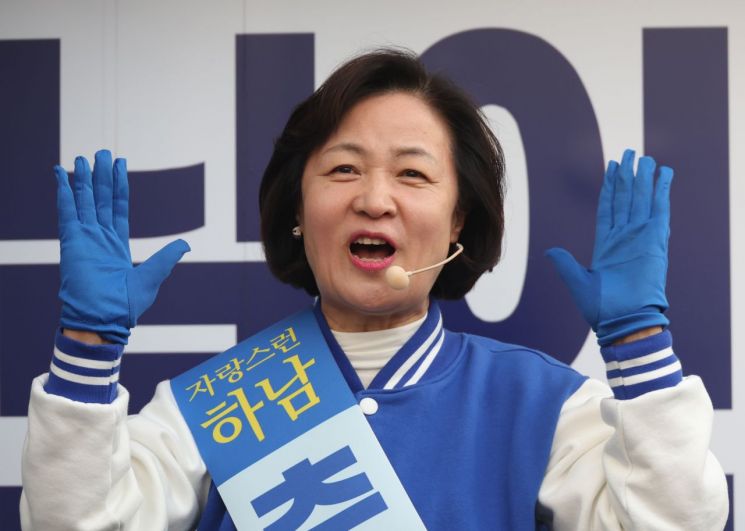
In an interview with SBS Radio the day before, former Minister Chu expressed her intention to run for Speaker, saying, "Since many expect the role of an innovative Speaker, I will not refuse if given the role." Secretary-General Cho also showed his determination through media interviews. In political circles, there is speculation that the two will each serve as Speaker for two years in the first and second halves of the term.
Coincidentally, both reject the traditional role of the Speaker as a neutral mediator or coordinator. Former Minister Chu has repeatedly emphasized that "the Speaker of the National Assembly is not neutral." Secretary-General Cho is also actively promoting himself as a "Speaker who will work in harmony with Democratic Party leader Lee Jae-myung." This is interpreted as a willingness to take a partisan stance rather than a role that embraces both ruling and opposition parties or mediates compromises.
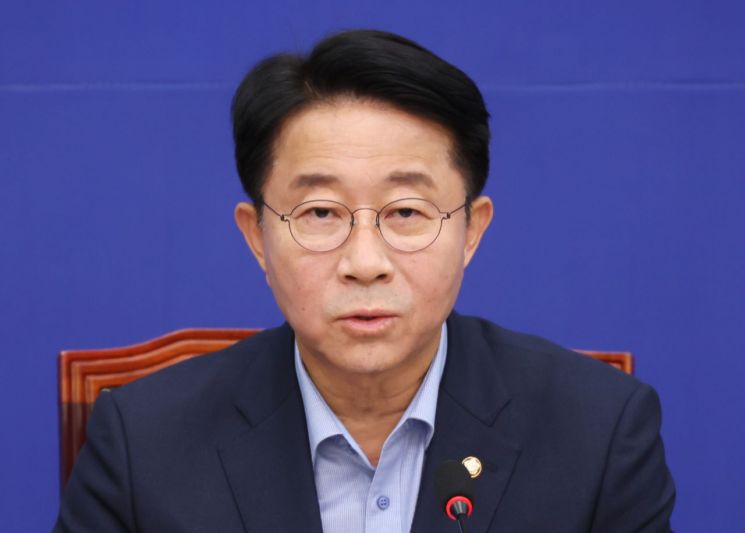
The overall atmosphere suggests that former Minister Chu, who has emphasized a clear stance as "Chudark" (Chu Mi-ae + Joan of Arc), is leading. However, there are concerns that if elected, former Minister Chu, who would become the first female Speaker of the National Assembly, might act unilaterally. The conflict pattern with President Yoon Seok-youl, who was Prosecutor General during her tenure as Minister, could be repeated, potentially increasing clashes between the executive and legislative branches. Secretary-General Cho’s close ties to Leader Lee are a major advantage in the party primary but could become a liability in parliamentary operations. There are concerns that this could provide the People Power Party with grounds to raise opposition party judgment arguments later.
Besides the two, several others are also being considered. Lawmaker Kim Tae-nyeon’s strength lies in his experience leading negotiations between ruling and opposition parties as floor leader and chairman of the policy committee. Lawmaker Jung Sung-ho (63), known as the leader of the pro-Lee Jae-myung faction, is also considering running. On MBC Radio that day, Jung said, "I believe I have the ability to be more flexible and mediate compromise and dialogue than anyone else." The candidacy of former Director Park Ji-won, the oldest member of the National Assembly who has shown considerable political skill, is also a point of interest. Although Park told Asia Economy in a phone interview that he "had not thought about it," he is known to have the intention to challenge. Other candidates of interest include five-term lawmakers from the metropolitan area: Ahn Kyu-baek (63), Woo Won-shik (67), and Yoon Ho-jung (61).
What is the Speaker of the National Assembly?
The Speaker of the National Assembly, as the head of the legislative branch, holds the second highest rank in the national protocol and symbolizes the representation of the National Assembly. In addition to appointing the Secretary-General of the National Assembly at ministerial level and the Chief Secretary of the Speaker’s Secretariat at vice-ministerial level, the Speaker can appoint numerous political positions including three at the first grade. The Speaker also has personnel authority over the National Assembly Secretariat and receives special privileges such as an official residence and a security team. Moreover, the Speaker serves as a diplomat representing the country.
The Speaker’s role is particularly important because they are granted extensive authority over various parliamentary procedures. According to the current National Assembly Act (Article 20-2), once elected, the Speaker is prohibited from holding party membership during their term. This regulation is related to the Speaker’s considerable discretion, such as setting the agenda and exercising the power to submit bills ex officio. Although the National Assembly generally operates based on agreements among negotiation groups, the Speaker has the final authority to bring matters to the floor. In other words, the Speaker holds the ultimate control over legislation. For these reasons, the Speaker has traditionally played a key role as a bastion of parliamentary democracy, although they have sometimes been criticized by their own parties in the past.
© The Asia Business Daily(www.asiae.co.kr). All rights reserved.


















