The Biden administration in the United States appears to be set to revoke the tariff exemption on bifacial solar panels imported into the U.S.
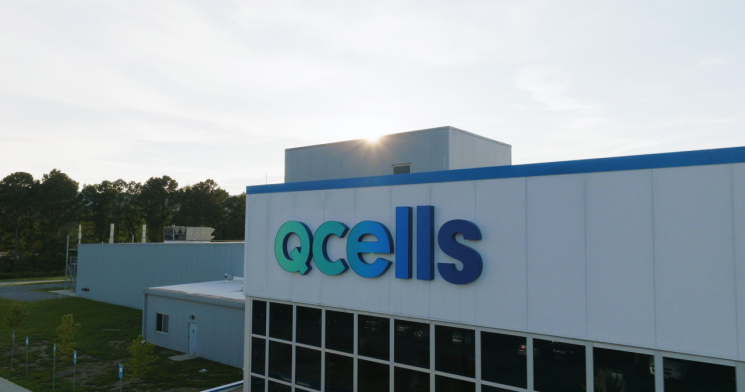
According to major foreign media reports on the 17th (local time), Hanwha Q CELLS petitioned the U.S. Trade Representative (USTR) on February 23 to repeal the two-year tariff exemption on bifacial solar panels. The U.S. administration is expected to approve Hanwha Q CELLS' request.
Bifacial solar panels are solar panels that generate electricity from both sides. The U.S. imposes a 14.25% tariff on imported solar panels, but bifacial panels used in large-scale power projects are exempt. According to the petition, currently 98% of these panels are imported.
Hanwha Q CELLS stated, "The negative market conditions caused by the surge in imports of bifacial modules are causing several companies to reconsider their investment plans in the U.S.," adding that such measures are necessary for solar companies to continue their U.S. investments initiated thanks to subsidies under the Inflation Reduction Act (IRA). Hanwha Q CELLS is investing $2.5 billion in Georgia to establish a solar production base called 'Solar Hub.'
In addition to Hanwha Q CELLS, companies producing solar panels within the U.S. are also urging the imposition of tariffs. Seven solar manufacturers with factories in the U.S., including First Solar and Suniva, have expressed support for this petition.
U.S. Senators Jon Ossoff and Raphael Warnock, whose constituencies include Georgia, have also advocated for the repeal of the tariff exemption on bifacial solar panels.
Foreign media expect that imposing tariffs on bifacial solar panels will benefit more than 40 solar equipment factories planned since President Joe Biden signed the IRA in 2022.
However, according to sources, the U.S. government has not yet decided when to repeal the tariff exemption on bifacial solar panels.
A White House official stated, "We continue to review all options to ensure the historic investments triggered by the IRA succeed," adding, "Our companies and workers can compete with anyone, but a level playing field is necessary."
© The Asia Business Daily(www.asiae.co.kr). All rights reserved.

















