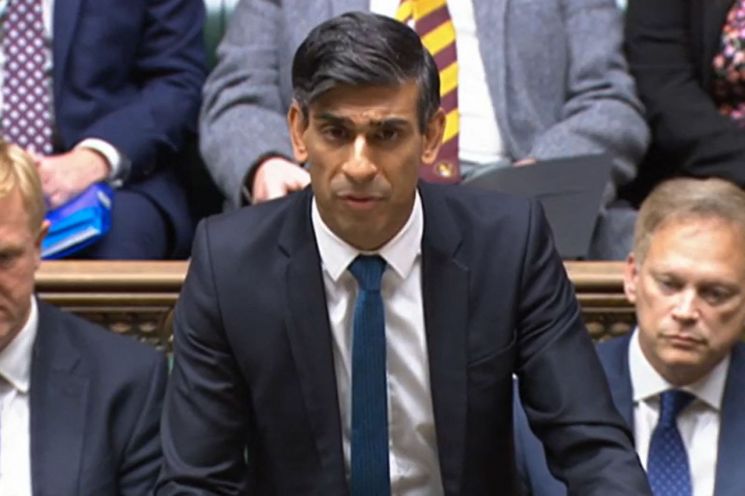
In the UK, a bill that prohibits anyone currently aged 15 from ever buying cigarettes has attracted attention as it passed the first hurdle in Parliament.
On the afternoon of the 16th (local time), the UK House of Commons passed the "Tobacco and Electronic Cigarettes Bill" at its second reading with 383 votes in favor and 67 against, moving the bill to the next stage of Commons scrutiny. Health Secretary Victoria Atkins said during the Commons debate, "Too many people have their lives shortened or experience irreversible life changes due to smoking," adding, "There is no freedom in addiction. It is our duty to protect the next generation."
The bill's main point is that the legal age to buy cigarettes will be raised every year, meaning those born on or after January 1, 2009 (currently 15 years old) will never be able to purchase cigarettes in their lifetime. It also includes provisions banning disposable e-cigarettes and restricting flavors, packaging, and sales methods that might appeal to young people. The bill was introduced by the Rishi Sunak government with the aim of creating a smoke-free generation.
The UK government believes this legislation will save many lives. Approximately 13% of the UK population, or 6.4 million people, are smokers, and 80,000 people die annually from smoking-related diseases. Although it is illegal for those under 18 to purchase e-cigarettes, surveys show that about 20% of minors have tried vaping.
The main opposition Labour Party supports the bill, but some liberal-leaning members within the ruling Conservative Party oppose it, calling it an "un-Conservative" policy that infringes on personal freedom. In the Commons vote, 57 Conservative MPs voted against the bill, and 106 Conservative MPs abstained.
The bill will now proceed through committee scrutiny, report stage, and a third reading before final passage in the Commons, after which it will be sent to the House of Lords. The final vote in the Lords is expected to take place in mid-June.
This bill benchmarks the world's first smoke-free law enacted by New Zealand under the Jacinda Ardern government. However, the conservative coalition government that took office afterward scrapped the policy earlier this year.
© The Asia Business Daily(www.asiae.co.kr). All rights reserved.

















