FDA-Approved New Drugs Increased to 8 Types
Senobamate, Sunosi, Sibextro Released Only Overseas
'Low Drug Price' Concerns... Sibextro Voluntarily Withdraws Approval
Cases of domestically developed new drugs receiving approval from the U.S. Food and Drug Administration (FDA) and gaining recognition for their technological capabilities overseas are continuing. However, there are instances where, by strategically targeting overseas markets first, the domestic launch is delayed or even canceled.
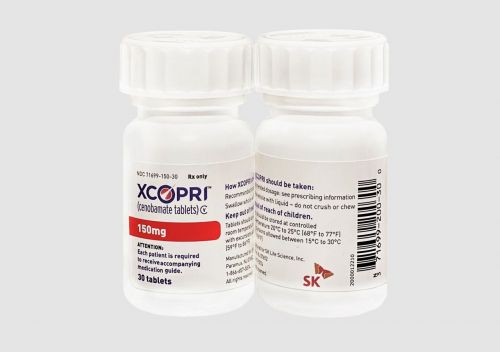
So far, a total of eight 'domestic new drugs' developed by Korean pharmaceutical companies have obtained FDA approval. However, among these, three drugs?SK Biopharm's Cenobamate and Sunosi, and Dong-A ST's Sivextro?are sold only overseas in markets such as the U.S. and Europe.
The epilepsy treatment Cenobamate has rapidly expanded its market since its U.S. launch in May 2020. It recorded global sales of 324.1 billion KRW last year. It has consecutively set new records for the highest quarterly sales growth in the U.S. market. New patient prescriptions are also increasing quickly, with the number of prescriptions 44 months after launch being 2.2 times higher than competing existing new drugs. Notably, direct sales through its U.S. subsidiary have resulted in a gross profit margin exceeding 90% within the U.S. market.
Riding this growth momentum, SK Biopharm succeeded in turning a profit in the fourth quarter of last year. Although this was not the company's first-ever profit, while previous profits were due to temporary factors such as technology exports, this profit is evaluated as a 'sustainable growth trend' driven by increased sales revenue.
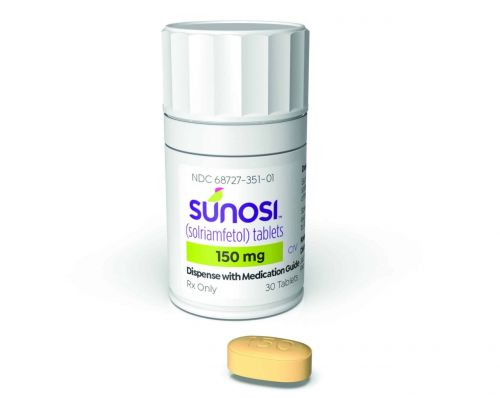
Sunosi, approved as a treatment for sleep disorders such as narcolepsy, is currently sold by Axsome Therapeutics in the U.S., Canada, and Europe. Axsome announced that it recorded total sales of $74.8 million (approximately 104.6 billion KRW) last year through Sunosi product sales and additional technology sales in Europe. SK Biopharm also earned $4.65 million (approximately 12.7 billion KRW) in related royalties last year, more than doubling from 6 billion KRW in 2022.
Axsome is expanding Sunosi's indications to include binge eating disorder, attention deficit hyperactivity disorder (ADHD), and others. Axsome expects Sunosi's sales in the U.S. alone to grow up to $500 million (approximately 700 billion KRW).
‘Successful New Drugs’ but Absent Domestically... Is 'Drug Pricing' the Obstacle?
The antibiotic Sivextro also has active sales overseas, recording $34.5 million (approximately 47.9 billion KRW) in sales in the U.S. in 2022. Although it was approved domestically in 2015, difficulties in securing commercial viability led to the withdrawal of domestic approval in 2020.
The stumbling block for Sivextro was drug pricing. During price negotiations for health insurance coverage, competing drugs lost their patents, causing their prices to be cut by nearly half. Consequently, Sivextro's price was also significantly lowered. Compared to the U.S., where the price is set, the domestic price was about 30%, which is cited as the reason for the failure of its domestic launch.
SK Biopharm aims to complete Phase 3 clinical trials for Cenobamate in Korea, China, and Japan by this year and plans to launch next year, but Sunosi's domestic launch plan remains undecided, which is also linked to drug pricing issues.
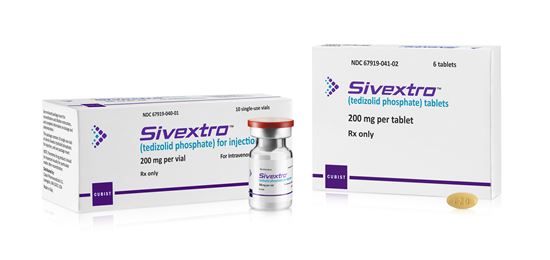 Dong-A ST's antibiotic 'Sivextro'
 Photo by Dong-A ST
The pharmaceutical industry complains that, with domestic drug prices already known to be about half the OECD average and insufficient preferential policies for domestic new drugs, companies tend to postpone domestic launches. Especially for new drug developers considering overseas expansion, the low domestic drug prices could become a hindrance when entering foreign markets. In fact, there are cases where Korea's drug prices are cited overseas to demand price reductions. However, an SK Biopharm official explained, "The strategy prioritized obtaining approval first in the world's largest market, the U.S.," adding, "It was a matter of market access strategy rather than drug pricing."
A pharmaceutical industry official said, "There is a strong concern that even if new drugs are developed domestically, it is difficult to receive appropriate pricing." They added, "If this situation is left unattended, even domestic new drugs may place the Korean market as a lower priority, so the government should strengthen incentives for domestic new drugs."
© The Asia Business Daily(www.asiae.co.kr). All rights reserved.


















