2023 Franchise Business Status
Franchise store sales have continued a stable upward trend, recovering to pre-COVID-19 pandemic levels.
According to the "2023 Franchise Business Status" announced by the Fair Trade Commission on the 8th, the average sales per franchise store in 2022 were approximately 340 million KRW, an increase of about 8.3% compared to the previous year. This has restored the level seen in 2019 (330 million KRW), before the COVID-19 pandemic.
By industry, the food service sector, which was most affected by the pandemic, led the increase in average franchise store sales with a 12.7% rise, while sales in the service and wholesale/retail sectors also increased by 10.7% and 1.8%, respectively.
The number of brands in the food service sector was 9,934, and the number of franchise stores was 179,923, increasing by 5.2% and 7.4% respectively compared to the previous year. The average sales per franchise store rose by 12.7% to 314 million KRW.
Among the major sub-industries in food service, Korean cuisine had the highest number of franchise stores at 39,868, accounting for 22.2% of all food service franchise stores, while the coffee sector showed the highest growth rate in the number of franchise stores at 13.0%.
The average sales per franchise store increased across all major sub-industries, with the pub sector, which suffered the most severe sales losses due to COVID-19, showing the largest increase of 66.2%. Korean cuisine, pizza, bakery, coffee, and chicken sectors recorded sales growth rates of 17.2%, 11.6%, 8.1%, 7.4%, and 6.5%, respectively.
The service sector had 1,900 brands and 104,134 franchise stores, increasing by 5.7% and 3.0% respectively compared to the previous year. The average sales per franchise store rose by 10.7% to 178 million KRW. Average sales per franchise store increased across all major sub-industries, with growth rates in the order of educational services (34.7%), laundry (17%), foreign language education (16%), and beauty (5.9%).
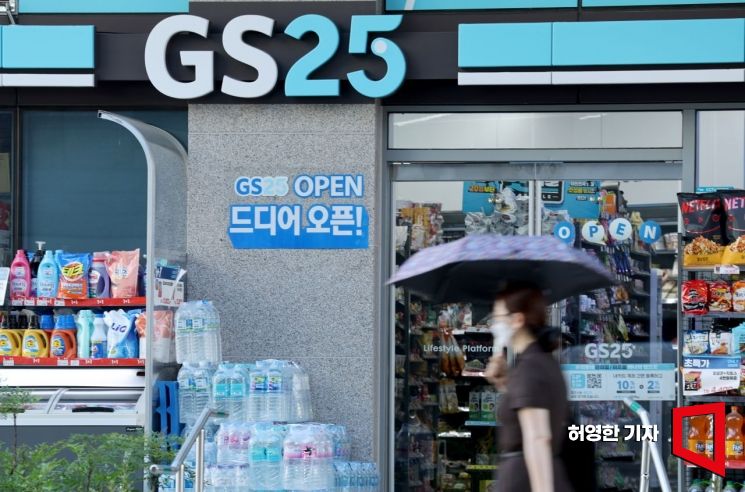
The wholesale/retail sector had 595 brands, a 1.7% decrease from the previous year. The number of franchise stores increased by 3.1% to 68,809. The average sales per franchise store rose by 1.8% to 540 million KRW. Specifically, convenience store franchise stores numbered 55,043, maintaining a 5.5% growth rate compared to the previous year, whereas the cosmetics sector declined by 14.6% to 1,356 stores, continuing its downward trend.
Due to the end of the COVID-19 pandemic last year, almost all sectors saw increases in the number of brands, franchise stores, and average sales per franchise store, indicating stable growth across the entire industry and improved business conditions for franchise owners.
However, in the food service sector, the ratio of the difference franchise fee to average franchise store sales slightly increased compared to the previous year, and the amount paid as difference franchise fees also rose, confirming the persistent risk of conflicts caused by the franchisor’s unilateral designation of mandatory items and excessive collection of difference franchise fees (margins).
The Fair Trade Commission stated, "We are promoting amendments to the Enforcement Decree of the Franchise Business Act to require franchisors to consult with franchise owners in advance when changing the terms of mandatory item transactions disadvantageously," and added, "Through this, it is expected that the grievances of franchise owners caused by excessive mandatory item designation and collection of difference franchise fees will be alleviated."
© The Asia Business Daily(www.asiae.co.kr). All rights reserved.
![Clutching a Stolen Dior Bag, Saying "I Hate Being Poor but Real"... The Grotesque Con of a "Human Knockoff" [Slate]](https://cwcontent.asiae.co.kr/asiaresize/183/2026021902243444107_1771435474.jpg)
















