Increase in New Delinquency Rate
"Possibility of Continued Rise in Delinquency Rate"
Financial Supervisory Service Encourages Expansion of Loan Loss Provisions
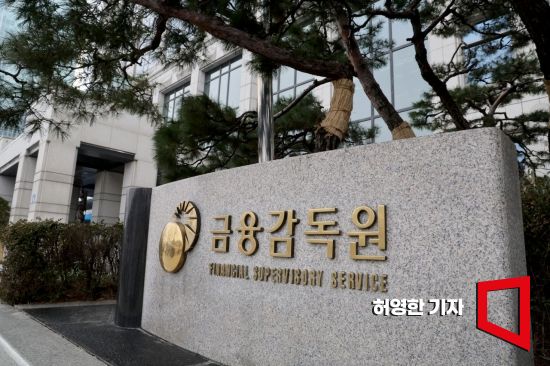
At the end of January, the delinquency rate on won-denominated loans at domestic banks rose to 0.45%, an increase of 0.07 percentage points compared to the end of the previous month. Compared to the previous year, it increased by 0.14 percentage points. This is the highest level since January 2019 (0.45%) when comparing early-year figures.
On the 29th, the Financial Supervisory Service (FSS) announced that the amount of new delinquencies in January was 2.9 trillion won, an increase of 700 billion won from the previous month, while the amount of delinquent loans resolved was 1.3 trillion won, a decrease of 2.7 trillion won compared to the previous month.
The new delinquency rate was 0.13%, up 0.03 percentage points from the previous month and 0.04 percentage points higher than the previous year.
By sector, as of the end of January, the delinquency rate for corporate loans was 0.5%, up 0.09 percentage points from the previous month and 0.16 percentage points from the previous year. The delinquency rate for large corporate loans was 0.12%, similar to the previous month, but the delinquency rate for small and medium-sized enterprise (SME) loans rose to 0.6%, up 0.12 percentage points from the previous month. The delinquency rates for small and medium-sized corporations (0.62%) and individual business owner loans (0.56%) also increased by 0.14 percentage points and 0.08 percentage points, respectively, compared to the previous month.
The delinquency rate for household loans was 0.38%, up 0.03 percentage points from the previous month. The delinquency rate for mortgage loans was 0.25%, up 0.02 percentage points from the previous month. Excluding mortgage loans, the delinquency rate for household loans was 0.74%, an increase of 0.08 percentage points from the previous month.
The FSS explained that the delinquency rate at the end of January was similar to that at the end of November last year (0.46%). Typically, at the end of the year, banks strengthen the resolution of delinquent loans, causing the delinquency rate to drop sharply, and the January delinquency rate rises due to the base effect from the sharp decline at the end of the previous year, the FSS added.
However, since the new delinquency rate has remained at a high level since the second half of last year, it is necessary to prepare for the possibility that the delinquency rate may continue to rise in the future. The FSS stated, "We will guide banks to strengthen asset soundness management through the sale and disposal of delinquent and non-performing loans and the activation of debt restructuring for vulnerable borrowers," and added, "We will continue to encourage the expansion of loss absorption capacity by sufficiently reflecting internal and external risk factors and increasing the provision for loan losses."
© The Asia Business Daily(www.asiae.co.kr). All rights reserved.

















