378 Confirmed Cases as of February This Year
High Fever, Sore Throat, Diarrhea... Rare but High Fatality Rate
Recently, an infectious disease with a fatality rate of up to 30% has been rapidly spreading in Japan.
According to multiple foreign media reports, including the British daily newspaper The Guardian, a total of 378 confirmed cases of Toxic Shock Syndrome (STSS) were recorded in Japan up to February this year. Infections have been confirmed in all but two of Japan's 47 prefectures.
STSS is an infectious disease caused when the body is infected by toxins produced by a type of bacteria called Staphylococcus aureus, or when the bacteria invade the bloodstream and secrete toxins. Although it is not a common disease, it can be fatal when contracted.
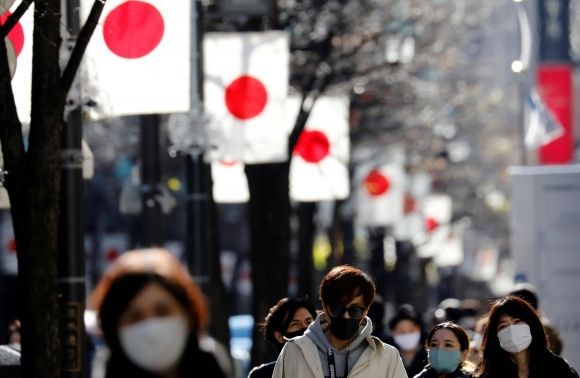
Infected individuals experience high fever, sore throat, bloodshot eyes, diarrhea, and muscle pain, and some may become confused or lose consciousness. The fatality rate is known to be as high as 30%.
Japanese health authorities began recording STSS cases in 1999. While the high-risk group is generally the elderly, there have also been many deaths among those under 50. From July to December 2023, 21 out of 65 STSS patients under the age of 50 died.
In elderly patients, symptoms similar to a cold may appear, and in severe cases, the condition can worsen to septic pharyngitis, tonsillitis, pneumonia, or meningitis. There is also a risk of fatal symptoms such as organ failure and tissue necrosis.
The National Institute of Infectious Diseases of Japan, which is analyzing the disease, stated, "There are still many unknown factors regarding the mechanism, so it is not yet possible to explain the sudden increase in infections." According to the institute's projections, the number of STSS infections in Japan is expected to break records this year.
Some experts speculate that the surge in STSS cases in Japan is due to a decline in vigilance as the risk of COVID-19 has decreased to the level of common influenza. STSS is transmitted through droplets, physical contact, and wounds on hands and feet, sharing similar infection routes with COVID-19.
© The Asia Business Daily(www.asiae.co.kr). All rights reserved.

















