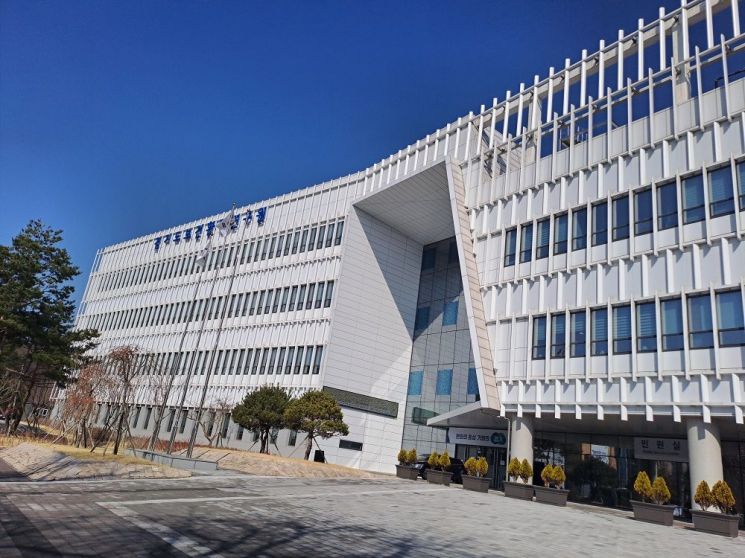
The Gyeonggi-do Institute of Health and Environment will conduct a "Vibrio vulnificus Surveillance Project" from this month until November along five areas of the western coast of Gyeonggi-do.
The institute announced on the 14th that, to prevent Vibrio vulnificus infections in advance, seawater and tidal flats will be collected once a month in five areas?Gimpo, Siheung, Ansan, Hwaseong, and Pyeongtaek?to investigate the presence of Vibrio vulnificus bacteria.
Vibrio vulnificus infection is a Class 3 infectious disease caused by Vibrio vulnificus bacteria, and it is a severe illness with a fatality rate of up to 50%.
Over the past 10 years, an average of 52.6 Vibrio vulnificus patients have occurred nationwide annually, with 9.3 cases reported in Gyeonggi-do.
Typically, the first Vibrio vulnificus cases appear around May to June, with patient numbers peaking in the summer months (August to September) when seawater temperatures rise and contact with seawater increases.
While it is difficult to completely prevent the occurrence of Vibrio vulnificus cases through surveillance alone, predicting the likelihood of patient occurrence and early detection and treatment are crucial for infectious disease prevention and management.
A representative from the Gyeonggi-do Institute of Health and Environment stated, "Vibrio vulnificus is not transmitted between people, but the fatality rate is high when high-risk groups with underlying conditions become infected. We will continue to operate environmental surveillance of Vibrio vulnificus along the western coast of Gyeonggi-do and do our best to prevent infections."
© The Asia Business Daily(www.asiae.co.kr). All rights reserved.
![Clutching a Stolen Dior Bag, Saying "I Hate Being Poor but Real"... The Grotesque Con of a "Human Knockoff" [Slate]](https://cwcontent.asiae.co.kr/asiaresize/183/2026021902243444107_1771435474.jpg)
















