Effective Use of Recorded Heritage as Cultural Content
Cultural Cities, the Key to Solving Population Decline
Ministry of Culture Supports 24 Cities with 36 Billion Won
The Ministry of Culture, Sports and Tourism announced on the 12th that Cheongju City in Chungbuk Province has been selected as the 'Cultural City of the Year.'
The Cultural City project supports regions to develop through culture. Cities that effectively utilize their unique cultural resources receive an annual national subsidy of 1.5 billion KRW. This support helps improve local cultural conditions, discover and support cultural content, and nurture creative cultural talents.
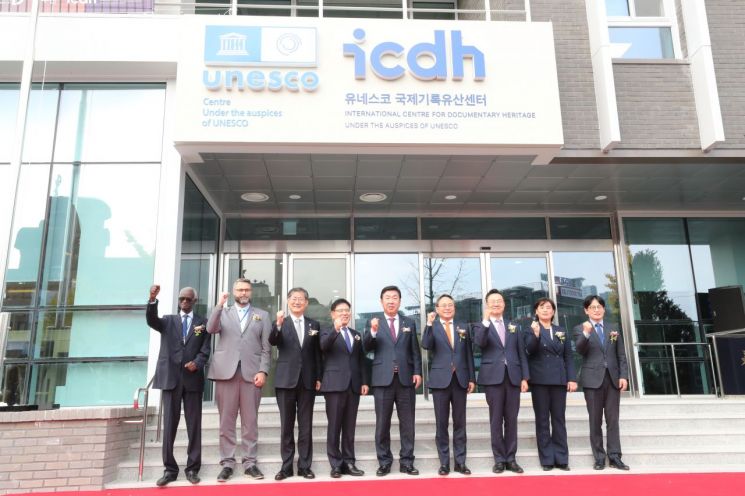
Up to last year, a total of twenty-four cities have been designated as Cultural Cities. According to the Cultural City Deliberation Committee, these cities attracted 2.53 million visitors last year, leveraging 3,658 cultural spaces. Cheongju was evaluated as leading balanced development based on the review of each city's achievements. It received high marks for utilizing numerous recorded heritages as cultural content.
Cheongju is the city where the world's first metal movable type book, "Jikji Simche Yojeol," was produced. Building on this historical significance, the UNESCO International Archives Center was established in November last year. The Cheongju City Archives was also founded to document modern and contemporary history. The Ministry of Culture, Sports and Tourism evaluated, "The Cultural City project is steadily promoted with the vision of establishing a record culture city brand and creating related industries."
Representative examples include the creation of neighborhood archives, operation of citizen archives, training of professional cultural planners, and fostering conditions for cultural artists' creativity. A city official explained, "70% of the total area has access to cultural spaces within 15 minutes."
The Record Culture Week, which combines performances, markets, and exhibitions, has become a representative local festival. Public art projects expand opportunities for local artists to participate, and the Youth Culture Creation Center and Youth Culture Shops create local jobs, gradually establishing the framework of a cultural city.
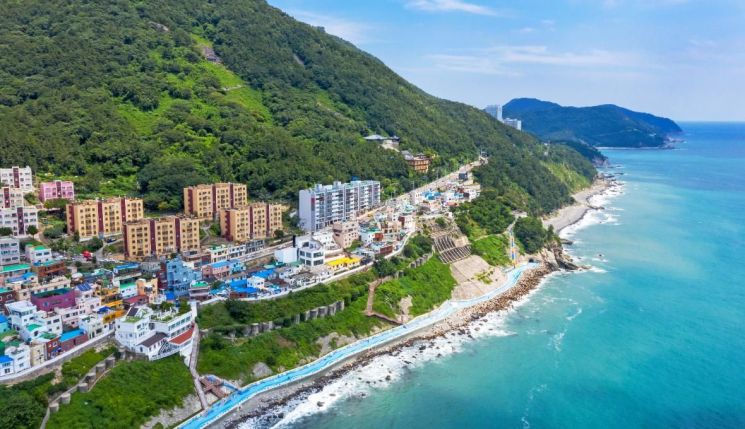
Cultural Cities are also expected to be the key to solving population decline issues. Yeongdo-gu in Busan Metropolitan City (8%), Yeongwol-gun in Gangwon Province (4%), Miryang City in Gyeongnam Province (5%), Gongju City in Chungnam Province (6%), and Gochang-gun in Jeonbuk Province (5%)?all of which were in serious conditions?saw an increase in visitors compared to the previous year after last year's projects.
All of them developed specialized cultural tourism products based on their unique local cultures and enjoyed success. For example, Yeongdo-gu attracted great attention by introducing historical and cultural tourism programs such as the marine cultural industry tourist destination "Kkangkkangi Art Village Tour," operating the Kkangkkangi cruise ship, and developing a Yeongdo cultural city course seen through the novel "Pachinko."
This year, the Ministry of Culture, Sports and Tourism will support twenty-four Cultural Cities with 36 billion KRW to back various development projects. At the end of the year, the 'Republic of Korea Cultural Cities' will be designated to lead cultural balanced development through inter-city linkage and cooperation. From next year, up to 260 billion KRW (130 billion KRW national funds and 130 billion KRW local funds) will be invested intensively over three years.
Minister Yoo In-chon of the Ministry of Culture, Sports and Tourism said, "We will fully support each city to become a cultural city that highlights its characteristics and serves as a core axis of cultural balanced development leading the growth of neighboring regions."
© The Asia Business Daily(www.asiae.co.kr). All rights reserved.


















