'Wegovy' Receives FDA Approval for Expanded Indications
Attempt to Apply Health Insurance for Obesity Complications Efficacy
Not Yet Released in Korea, Prescription Not Possible
Glucagon-like peptide (GLP)-1 drugs, initially developed as diabetes treatments and now expanding into the obesity market, have been recognized in the United States for their efficacy in cardiovascular disease as well. Attention is focused on whether the stance of U.S. public and private health insurers, who have been reluctant to cover GLP-1 drugs used for weight loss 'solely for cosmetic purposes,' will change, as insurance coverage is essential for market expansion.
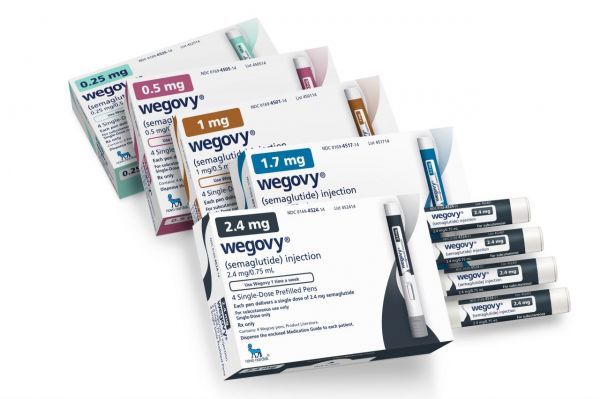 Novo Nordisk's GLP-1 class treatment 'Wegovy (active ingredient Semaglutide)'
 [Photo by Novo Nordisk]
On the 8th (local time), Novo Nordisk announced that its GLP-1 class obesity drug Wegovy received an additional indication from the U.S. Food and Drug Administration (FDA) for 'reduction of major cardiovascular events risk.' Clinical trials confirmed that adults who are overweight or obese and have cardiovascular disease can reduce the risk of death from cardiovascular disease and the occurrence of major cardiovascular events such as myocardial infarction and stroke by using Wegovy. In clinical trial results announced last August, the Wegovy treatment group reduced the risk of major cardiovascular events by about 20% compared to the placebo group.
GLP-1 is a hormone that promotes insulin secretion to lower blood sugar. It was developed as a diabetes treatment, but as weight loss effects through appetite suppression were confirmed as a secondary benefit, its indications were expanded to obesity. Wegovy and Eli Lilly's Zepbound are the two leading drugs. In clinical trials, they showed about a 20% weight loss effect and are called 'miracle obesity treatments.' In addition, Wegovy has confirmed the potential to suppress cardiovascular disease. Eli Lilly is also conducting clinical trials to verify whether Zepbound reduces the incidence of cardiovascular events. Results are expected around 2027.
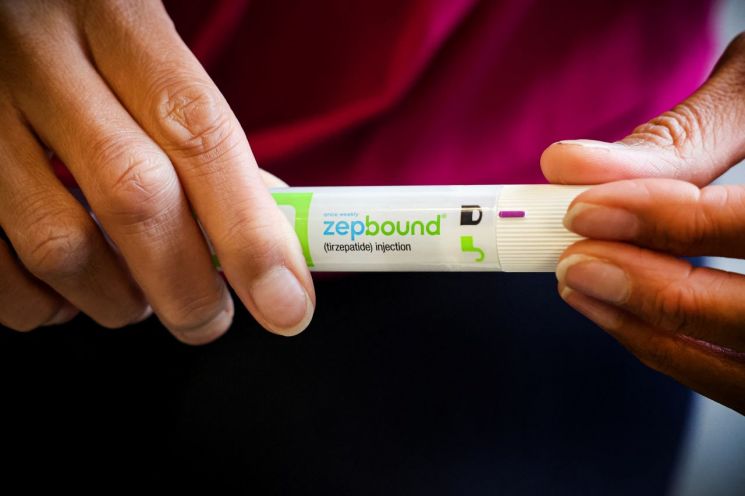
GLP-1 class diabetes and obesity drugs from the two companies, including Wegovy, have received partial approval for use from the Korea Food and Drug Administration but have not yet been launched domestically, so prescriptions are not yet available.
The recent recognition of cardiovascular disease indications for GLP-1 drugs in the U.S. is expected to be a starting point for the long-delayed insurance coverage in the country. Currently, in the U.S., the main market for GLP-1 drugs, insurance coverage is limited. Medicare, the major public insurance in the U.S., covers GLP-1 drugs only for diabetes patients and does not cover obesity. Most private insurers also hesitate to cover obesity.
However, if GLP-1 drugs reduce the risk of secondary diseases caused by obesity, such as cardiovascular disease, it will be difficult for U.S. health insurers to continue refusing coverage, according to U.S. pharmaceutical market research firm Lirink Partners. In November last year, the American Medical Association (AMA) also issued a resolution urging insurance coverage for obesity drugs, advocating for coverage of these medications.
© The Asia Business Daily(www.asiae.co.kr). All rights reserved.


















