End of Special Quarantine Measures Period on the 29th
Differentiated Crisis Alerts by Region
The Central Accident Response Headquarters for Highly Pathogenic Avian Influenza (AI) announced that the special quarantine period will end on the 29th as originally planned, as the overall risk of highly pathogenic AI occurrence has decreased.
However, the headquarters evaluated that there is still a risk of additional outbreaks after March, considering that migratory birds are expanding their activity range by moving to central and northern regions for northward migration, and sporadic cases have occurred until April in the past. Accordingly, the main quarantine measures implemented during the special quarantine period will be extended until March to continue strengthened quarantine management for poultry farms.
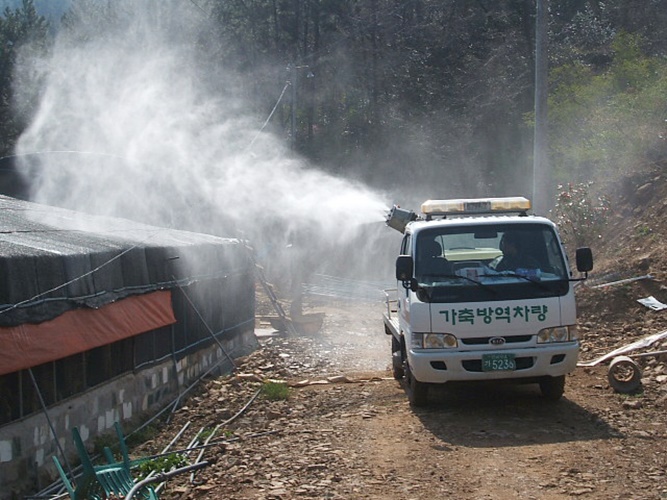
This winter, since the first highly pathogenic AI outbreak occurred on December 3 last year at a meat duck farm in Goheung, Jeonnam, a total of 31 cases have been reported, resulting in the culling of approximately 3.6 million poultry. Unlike previous years, concerns about large-scale outbreaks were high due to the simultaneous detection of two serotypes at poultry farms, the rapid outbreak pattern in Jeonnam and Jeonbuk regions at the early stage, and virus characteristics. However, the headquarters evaluated that damage was minimized by blocking the spread to other regions and farms through preemptive quarantine measures such as focused quarantine management in high-risk areas and densely populated layer hen complexes (10 locations), and expanding disinfection facilities at layer hen farms with more than 100,000 birds.
The headquarters decided to maintain the crisis alert level at "serious" for the affected areas in four cities and provinces?Gyeonggi, Chungnam, Jeonnam, and Gyeongbuk?since their quarantine zones have not yet been lifted and to prepare for sporadic outbreaks in spring. Other regions will be downgraded to the "caution" level, but the Central Accident Response Headquarters, local government task forces, and situation rooms will remain operational until March.
In addition, enhanced detailed inspection systems, nationwide inspections of poultry farms, extension of administrative orders and announcements related to AI quarantine, and comprehensive inspections of layer hen, duck, and native chicken farms will continue until next month. However, the scope of preventive culling, which has been expanded since December 8 last year, will be reduced starting March 1 to "all species within the management area (within 500 meters of outbreak farms)."
Choi Jeong-rok, Director of the Quarantine Policy Bureau at the Ministry of Agriculture, Food and Rural Affairs, said, "Despite difficult conditions, thanks to the joint efforts of local governments, related organizations, and farmers following government policies, we were able to minimize the damage to poultry farms caused by highly pathogenic avian influenza outbreaks and culling." He urged, "Since sporadic outbreaks may still occur after March, poultry farmers should strictly adhere to biosecurity measures."
© The Asia Business Daily(www.asiae.co.kr). All rights reserved.
![Clutching a Stolen Dior Bag, Saying "I Hate Being Poor but Real"... The Grotesque Con of a "Human Knockoff" [Slate]](https://cwcontent.asiae.co.kr/asiaresize/183/2026021902243444107_1771435474.jpg)











