US Viking Therapeutics VK2735 Phase 2 Results
Existing Treatments Showed 6% Weight Loss Over the Same Period
The weight loss effect of obesity treatments developed based on diabetes medications continues to improve. Previously, it required more than a year of injections to achieve around 20% weight loss, but recent research shows that weight can be reduced by 13% in just three months.
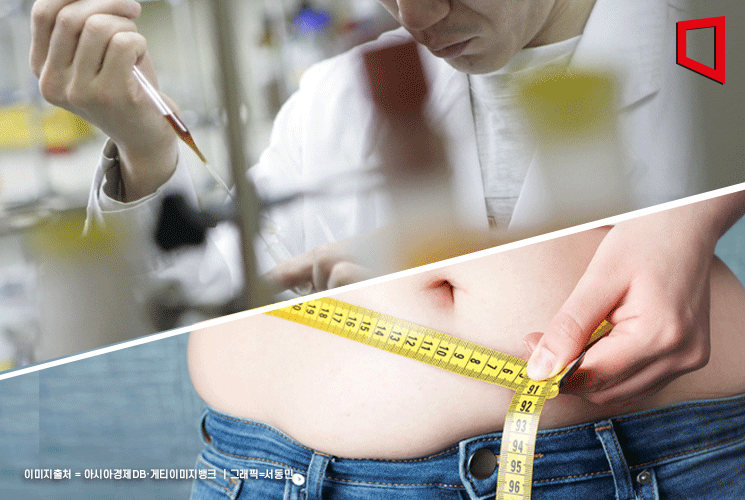
On the 27th (local time), U.S. company Viking Therapeutics announced in the Phase 2 clinical trial 'Venture Primary' of the obesity treatment candidate VK2735 that a maximum weight loss effect of 13.1% compared to the placebo group was confirmed at week 13. VK2735 belongs to the glucagon-like peptide (GLP)-1 class used in diabetes treatments.
In Viking Therapeutics' clinical trial administering various doses from 2.5 to 15 mg, the 15 mg group showed an average weight loss of 14.6 kg (14.7%) among patients weighing an average of 101 kg. Among participants, 88% lost more than 10% of their body weight. Even the lowest dose group of 2.5 mg showed a 7.4% weight loss compared to the placebo group. Safety concerns were limited to mild or moderate adverse reactions.
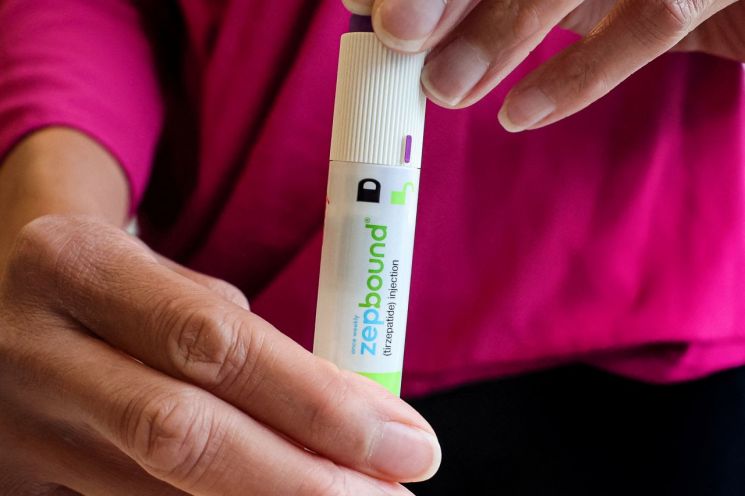
The maximum weight loss effect of Eli Lilly's market-leading drug Zepbound is known to be 20.7%, but this is after 72 weeks of treatment. Around week 12, a weight loss effect of about 6% was observed. Novonordisk's Wegovy showed similar effects at week 12. News of this innovative effect compared to existing treatments caused Viking's stock price to soar 121% from the previous day, closing at $85. There is also analysis suggesting that big pharma companies like Pfizer and Eli Lilly have proposed acquiring Viking.
VK2735 simultaneously stimulates GLP-1 and glucose-dependent insulinotropic polypeptide (GIP), which promote insulin secretion to treat metabolic disorders such as obesity. GLP-1 was originally developed as a diabetes treatment due to its blood sugar-lowering effect by promoting insulin secretion, but its appetite suppression and delayed gastric emptying effects have led to active development as an obesity treatment. GIP similarly promotes insulin secretion like GLP-1.
The obesity treatment market is a massive industry projected to reach $100 billion (approximately 130 trillion KRW) by 2030. Recently, Eli Lilly became the global healthcare company with the highest market capitalization, and Novonordisk also ranked first in Europe, leading to rapid growth among developers. This is why other developers are compelled to focus on releasing follow-up drugs.
On the 26th (local time), Denmark's Zealand Pharma announced that in a Phase 2 clinical trial of the metabolic dysfunction-associated steatohepatitis (MASH) and obesity treatment candidate Semaglutide, 83% of participants showed positive effects such as improved liver fibrosis. MASH is hepatitis caused by metabolic disorders such as obesity and diabetes.
Semaglutide, developed jointly with Germany's global big pharma Boehringer Ingelheim, simultaneously activates GLP-1 and glucagon receptors. Glucagon is a hormone secreted by the pancreas that promotes energy consumption, resulting in weight loss. In a Phase 2 obesity trial released last June, a 19% weight loss effect was confirmed, and a Phase 3 trial targeting overweight or obese patients is underway. Zealand Pharma's stock price also surged 35.7% compared to the previous day.
Domestic companies are also joining the obesity treatment race. Hanmi Pharmaceutical, led by CEO Lim Joo-hyun, is advancing the 'H.O.P (Hanmi Obesity Pipeline)' project aiming to launch a GLP-1-based obesity drug tailored for Koreans by 2025. Hanmi is conducting a Phase 3 clinical trial in Korea for the GLP-1 treatment candidate Epeglenatide targeting obesity, aiming for release in 2025. Additionally, preclinical results of the triple agonist LA-Tria (development code HM15275), which acts on GLP-1, GIP, and glucagon, are planned to be presented at the American Diabetes Association (ADA) conference in June.
© The Asia Business Daily(www.asiae.co.kr). All rights reserved.


















