Gyeonggi Province recently issued an outbreak advisory on the 28th following the occurrence of Porcine Epidemic Diarrhea (PED) at pig farms in southern Gyeonggi areas such as Anseong, Hwaseong, Yeoju, Icheon, and Yangpyeong.
PED, a Class 3 legally designated livestock infectious disease, is a viral illness that frequently occurs during seasonal changes and winter, primarily transmitted through the feces of infected pigs. Infection causes vomiting and severe watery diarrhea, with mortality rates exceeding 50% in young piglets.
PED cases in Gyeonggi Province numbered 6 in 2021, 16 in 2022, and 5 in 2023. This year, 8 new cases have been reported from January to February, putting Gyeonggi Province on high alert. Recently, PED has shown a tendency to recur every 2 to 3 years, indicating a high potential for further spread.
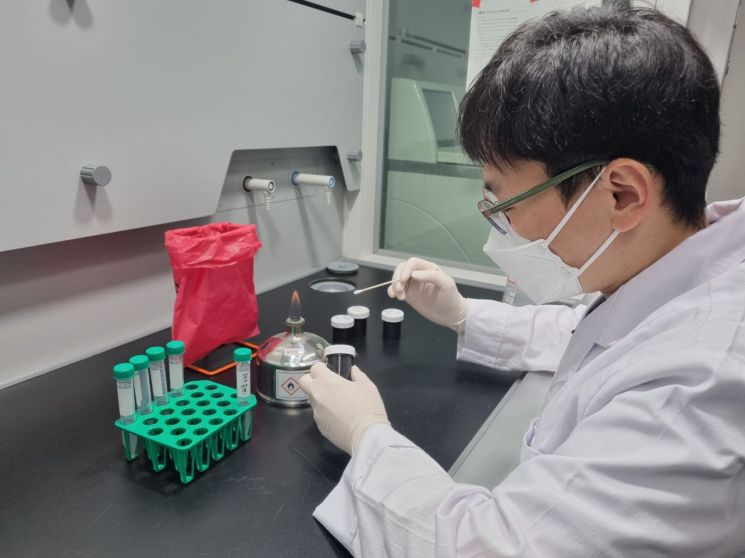
To prevent the occurrence and spread of PED, biosecurity measures and vaccination are paramount. Entry of outsiders and livestock-related vehicles into farms should be minimized, and effective disinfectants must be used to thoroughly sanitize the inside and outside of pigsties, clothing, shoes, and other items. Additionally, sows raised on farms should be vaccinated with appropriate vaccines, and newly introduced pigs should be quarantined and observed for a certain period before being admitted into the farm.
Gyeonggi Province plans to conduct epidemiological investigations on affected farms to identify sources of infection and promote vaccination and biosecurity measures according to proper vaccine programs to prevent further spread.
Park Kyung-ae, Director of the Gyeonggi Animal Hygiene Testing Laboratory, stated, "Porcine Epidemic Diarrhea causes significant damage to farms when it occurs and has a high risk of transmission, so special caution is required." She urged, "If PED is suspected, please report it to the testing laboratory promptly for rapid diagnosis and transmission prevention."
© The Asia Business Daily(www.asiae.co.kr). All rights reserved.

















