Seoul autonomous districts such as Eunpyeong-gu, Seongbuk-gu, Jungnang-gu, and Seodaemun-gu are taking measures to reduce residents' damage as medical service gaps continue.
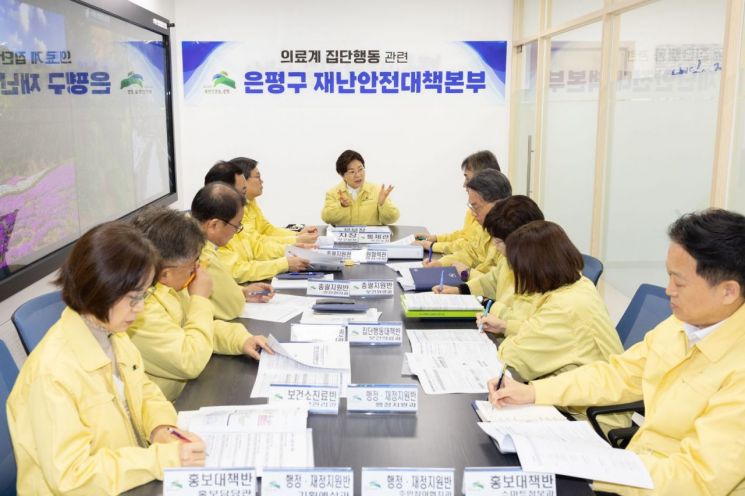
Eunpyeong-gu Fully Activates Disaster Safety Measures Related to Doctors' Collective Action
Disaster Crisis Elevated to 'Severe' Level, Situation Room Operation Begins from the 23rd
Eunpyeong-gu (Mayor Kim Mi-kyung) announced that it has taken proactive measures amid ongoing concerns about medical service gaps.
Following the government's announcement on increasing medical school quotas on the 6th and the doctors' collective action along with the issuance of the health and medical disaster crisis at the 'Alert' level, Eunpyeong-gu established an emergency medical plan. It continues cooperation with emergency medical institutions to ensure smooth emergency room operations and maintain the emergency medical system.
The Eunpyeong-gu Disaster Safety Countermeasures Headquarters, with the mayor as the head, formed a command team and six working groups to intensify responses after the disaster crisis level was raised to 'Severe' at 8 a.m. on the 23rd.
The situation room, which handles residents' inquiries and provides guidance and counseling services, operates from 9 a.m. to 9 p.m. on weekdays and from 9 a.m. to 6 p.m. on weekends. Seoul City also operates a situation room.
The district continuously monitors medical sector trends and delivers accurate medical information such as hospital and clinic treatment status to residents. It plans to devise countermeasures according to the disaster crisis level to minimize confusion and inconvenience.
On the 26th at 9 a.m., Mayor Kim Mi-kyung chaired a disaster safety countermeasure meeting to review the response status and urged, "We will focus administrative power to prevent any damage to residents related to doctors' collective action," adding, "Please actively respond to maintain the local health care system."
Information on emergency rooms, hospitals and clinics, and the Moonlight Children's Hospital, which treats minor pediatric patients during nights and holidays, can be checked on the 'Emergency Medical Portal' website and the 'Emergency Medical Information Provision (e-gen)' mobile app.
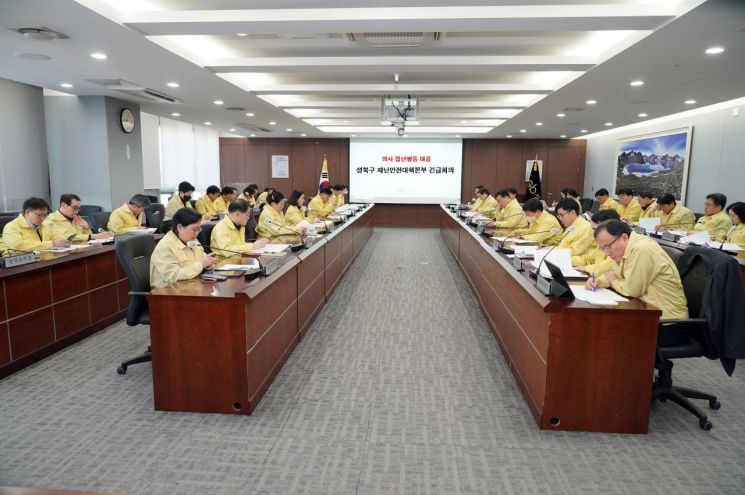
Seongbuk-gu Fully Mobilizes Efforts to Maintain Emergency Medical System and Minimize Treatment Gaps
All-out Effort to Maintain Emergency Medical System and Minimize Treatment Gaps
Health Center Treatment Hours Extended to 8 p.m. on Weekdays
Seongbuk-gu, Seoul (Mayor Lee Seung-ro) held an 'Emergency Disaster Safety Countermeasure Meeting' chaired by the mayor on the 26th to inspect the emergency medical system maintenance and emergency treatment system to minimize treatment gaps.
All executives of the district attended the meeting, checked the strike status of medical institutions in the area, and reviewed the activities of the Seongbuk-gu Disaster Safety Countermeasures Headquarters.
Mayor Lee Seung-ro said, "With the spread of collective action by residents in response to the increase in medical school quotas, it is expected that hospitals located in Seongbuk-gu will experience disruptions in inpatient care and surgeries," and urged, "All Seongbuk-gu public officials should fully respond to maintain the emergency medical system, minimize treatment gaps, and reduce patient inconvenience."
The district expanded the Seongbuk-gu Emergency Health Care Countermeasures Headquarters to the Seongbuk-gu Disaster Safety Countermeasures Headquarters on the 23rd. The head of the headquarters is the mayor, and it operates from the 23rd until the situation ends. It consists of 13 working groups, including disaster situation management, medical and quarantine services, and disaster recovery publicity. Its main roles include maintaining government cooperation systems, monitoring trends and doctors' collective action, external communication, and publicity.
The health center's treatment hours were extended to 8 p.m. on weekdays to ensure the maintenance of the emergency medical system and minimize treatment gaps. In addition, the district is closely cooperating with related agencies such as fire and police departments and continues related meetings.
Information on open medical institutions can be checked through the Emergency Medical Information Center E-GEN. Telephone guidance is provided through Dasan Call Center, Health and Welfare Call Center, 119 Ambulance Situation Management Center (Fire Agency), National Health Insurance Corporation, and Health Insurance Review & Assessment Service call centers.
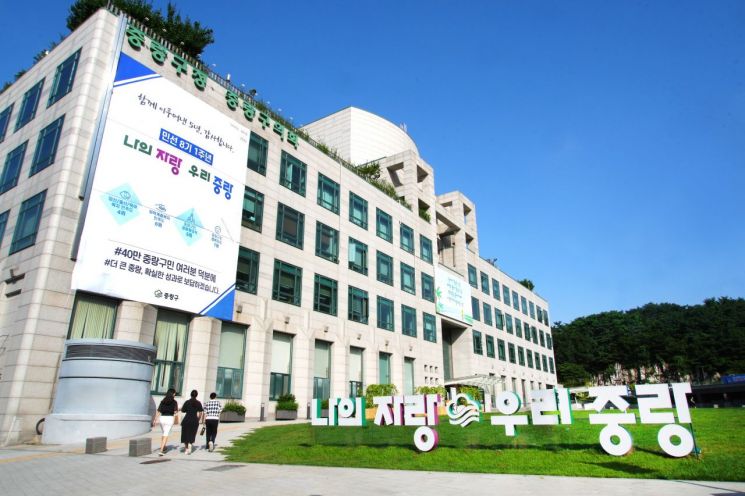
Jungnang-gu Activates Disaster Safety Countermeasures Headquarters, Fully Responds to Minimize Medical Service Gaps
Disaster Medical Crisis Level Raised to 'Severe' on the 23rd, Disaster Safety Countermeasures Headquarters Operated
Jungnang-gu Health Center Extends Weekday Hours to 8 p.m.
Jungnang-gu (Mayor Ryu Kyung-gi) has activated the Disaster Safety Countermeasures Headquarters and is making every effort to prevent medical service gaps as the health and medical disaster crisis level was raised to 'Severe.'
Following the government's announcement on increasing the number of doctors, the submission of resignation letters and withdrawal from workplaces by residents accelerated, and the health and medical disaster crisis level was elevated to 'Severe' from the morning of the 23rd. Accordingly, the district upgraded the 'Emergency Health Care Countermeasures Headquarters,' which had been operating since February 7, to the 'Disaster Safety Countermeasures Headquarters' on the 23rd, expanding its role and organization.
The Jungnang-gu Disaster Safety Countermeasures Headquarters, led by Mayor Ryu Kyung-gi, consists of five working groups?Situation Management General, Emergency Medical Measures, External Cooperation, Administration and Resource Support, and Publicity Measures?and six departments. The headquarters establishes and implements step-by-step countermeasures according to the medical sector strike situation.
Currently, the district continuously monitors the strike status of local medical institutions and actively responds to complaints such as patient inconvenience reports caused by the strike. It also prepares emergency medical measures for emergency situations such as private practitioners' strikes and maintains close cooperation with related organizations such as the Jungnang Medical Association and Jungnang Fire Station.
Since the 23rd, the district has extended the health center's weekday working hours to 8 p.m. and promptly responds to minimize residents' inconvenience caused by medical service gaps by providing information on hospitals and pharmacies operating during weekday nights and weekends on the Jungnang-gu Health Center website.
Mayor Ryu Kyung-gi said, "Concerns about medical service gaps are growing due to the medical sector's collective action," and added, "We will respond to medical service gaps by activating emergency medical measures and mobilizing all available resources to safely protect residents' health and lives."
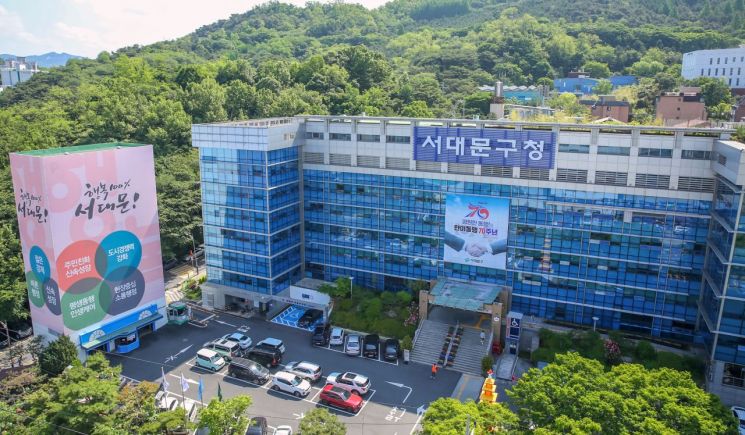
Seodaemun-gu Activates Regional Disaster Safety Countermeasures Headquarters Due to Medical Sector Strike
Situation General Team Operates 24 Hours Daily Including Weekends at Situation Room on the 6th Floor of the District Office
Emergency Medical Team Operates at Health Center from 9 a.m. to 8 p.m. on Weekdays
Seodaemun-gu (Mayor Lee Seong-heon) announced on the 26th that it will form and operate a regional disaster safety countermeasures headquarters led by the mayor to minimize residents' damage caused by the medical sector strike. The operation period starts on the 26th and continues until the situation ends.
During this period, the district forms a command team consisting of the mayor, deputy mayor, director of the Safety and Construction Bureau, and health center director, and operates five working groups: Situation General Team, Medical Quarantine Team, Resource Support and Ambulance Rescue Team, Administrative Support and Volunteer Team, and Disaster Publicity Team, to respond with full force.
In particular, the Situation General Team operates 24 hours daily including weekends at the situation room located on the 6th floor of the district office, while the other four teams maintain their functions in their respective offices.
The Situation General Team manages the overall disaster site recovery situation, including identifying casualties and rescue personnel deployment status, checking emergency medical institution status, and emergency contact network inspection.
The Medical Quarantine Team prepares to activate the quarantine system for infectious disease prevention and management, manages the status of casualties and injured persons, and monitors hospital admissions and discharges. The Resource Support and Ambulance Rescue Team maintains the emergency transport system and mobilizes human and material resources necessary for emergency treatment and recovery.
The Administrative Support and Volunteer Team secures volunteer personnel, necessary supplies, and equipment, while the Disaster Publicity Team provides guidance on national action guidelines for disaster situations and information on emergency room operating hospitals within the district.
Additionally, the district operates an emergency medical team centered on the health center from 9 a.m. to 8 p.m. on weekdays and plans to expand this to weekends and holidays if additional situations arise.
Mayor Lee Seong-heon of Seodaemun-gu stated, "We will make every effort to protect residents' health by maintaining the emergency medical system and minimizing treatment gaps."
Meanwhile, the district informs residents via text messages about hospitals operating 24-hour emergency rooms and clinics available for night and holiday treatment. It also requested, "Since the advanced general hospital, Sinchon Severance Hospital, is operating on a reduced scale, please use nearby general hospitals and clinics for relatively mild symptoms."
© The Asia Business Daily(www.asiae.co.kr). All rights reserved.



















