A study on emotional labor among Korean office workers conducted by researchers from the Department of Education at Yonsei University was recently published in the SSCI-level international journal ‘BMC Psychology.’ SSCI-level journals are recognized internationally for their high academic value.
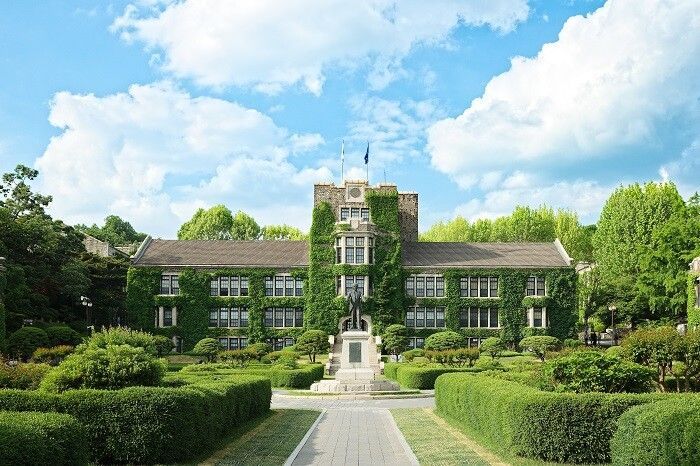
According to Yonsei University on the 24th, researchers Lee Eui-yeon and Yoo Hyun-ok from the Department of Education studied 333 office workers who do not interact with customers, focusing on the methods of emotional labor and the impact of these behaviors on turnover and burnout.
This study defined emotional labor as the intentional control of emotions to comply with organizational norms and display rules. Emotional labor was broadly classified into surface acting and deep acting. Surface acting refers to expressing emotions differently from what one truly feels, without revealing inner feelings. Deep acting refers to aligning not only outward behavior but also one’s actual feelings with external expectations.
The study found that participants who chose deep acting consumed more emotional energy to harmonize themselves with their job. In contrast, those who chose surface acting were able to protect themselves from emotional consumption and alleviate fatigue.
Furthermore, participants engaging in deep acting experienced increased emotional consumption in the process of matching inner feelings with external expressions, resulting in higher job fatigue and a greater intention to leave. Conversely, surface acting reduced burnout among participants, leading to a lower intention to leave.
Additionally, the study showed that the stronger the exchange relationship between leaders and members, the lower the negative impact of emotional labor. This demonstrated that positive relationships within an organization can effectively manage fatigue caused by emotional labor.
This study holds academic significance as it explored office workers, unlike previous studies that focused on service industry workers.
Yoo Hyun-ok, a researcher from the Department of Education at Yonsei University, stated, "The reason surface acting reduces burnout more than deep acting reflects the characteristics of Korean small and medium-sized enterprise office workers and organizational culture," adding, "We hope the study’s results can help alleviate emotional labor and burnout among workers in small and medium-sized enterprises."
© The Asia Business Daily(www.asiae.co.kr). All rights reserved.

















