Spring Wage Negotiations 'Chuntu' Begin in Earnest
Japan's Largest Union 'Rengo' Demands 5% Increase
60% of Small and Medium Enterprises Say "Defensive Raise"
As Japan's spring wage negotiations, known as "Chuntu" (春鬪), officially begin, major Japanese corporate labor unions are demanding record wage increases from management, according to reports by Asahi Shimbun and Nihon Keizai Shimbun (Nikkei) on the 15th.
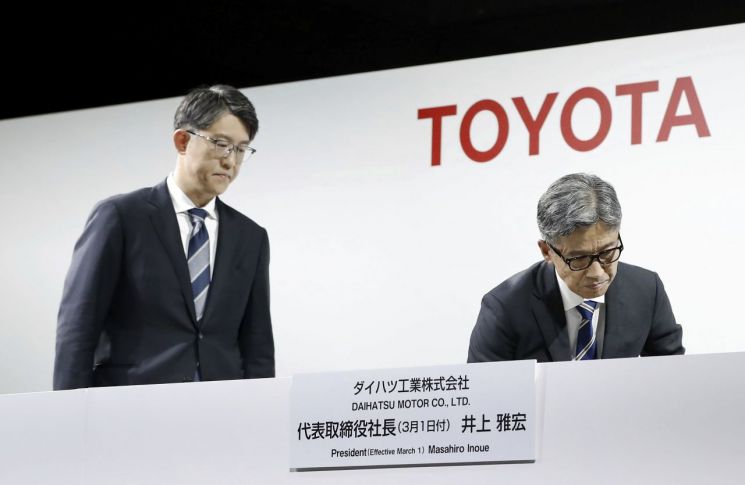
In the case of the Toyota Motor Corporation union, the exact amount of the wage increase requested from management was not disclosed, but it is known that they hope for the highest level of increase since 1999 when combining base pay raises and regular promotions. A Toyota union official stated, "The most important issue is whether we can sustain wage increases that exceed Japan's inflation rate."
The Honda union also demanded a base pay increase of 13,500 yen per month (approximately 120,000 KRW), which is the highest level since 1993.
The Japan Steel Workers' Union Confederation requested a base pay increase of 30,000 yen per month (approximately 260,000 KRW), and the JEF Steel union also submitted a similar base pay increase proposal to management. Additionally, some unions in the heavy industry, electric, and railway sectors have demanded larger base pay increases than last year.
Asahi analyzed that "Japan Steel's requested increase is the highest in about 50 years," and noted that "the strong voices from unions are rooted in the government's emphasis on escaping deflation (falling prices amid economic stagnation)." The newspaper also reported that there is a view that wage increases are inevitable to secure talent in response to Japan's steady population decline.
Earlier, both Japanese business circles and labor unions expressed enthusiasm for aggressive wage increases ahead of Chuntu.
Masakazu Tokura, chairman of Keidanren (Japan Business Federation), which includes major corporations as members, declared at a labor-management forum in January, "This year, we will overcome price increases with higher wage increases than last year." According to Keidanren's data, the average wage increase rate for large companies in last year's spring labor negotiations was 3.99%.
Japan's largest labor union federation, Rengo (Japanese Trade Union Confederation), also demanded a wage increase of more than 5%, including a base pay increase of over 3% plus regular promotions. From 2000 to 2022, Japan's wage increase rates remained in the low 1-2% range. If this wage increase demand is accepted, it will mark the first time in 30 years that wage increases exceed 3.5% for two consecutive years.
However, the situation for small and regional companies is challenging. Although these companies account for 70% of Japan's workforce, the absence of unions makes it uncertain whether they can participate in significant wage increases. In this regard, the Japan Chamber of Commerce and Industry revealed in a survey last month that 61.3% of about 3,000 small and medium-sized enterprises plan to raise wages after April. Among companies planning wage increases, 36.6% said the increase rate would exceed 3%.
Asahi reported, "The proportion of small and medium-sized enterprises planning wage increases rose by 3.1 percentage points compared to the same period last year," but also noted that "about 60% of these companies expressed 'defensive increases' aimed at securing labor."
The Japanese government announced that a survey conducted last July and August targeting 1,901 companies with 100 or more employees showed a wage increase rate of 3.2%, the highest since 1999. However, the average real monthly wage per worker in companies with five or more employees has declined for 21 consecutive months through December of last year.
© The Asia Business Daily(www.asiae.co.kr). All rights reserved.

















