Seoul, Gyeonggi, and Incheon All Stable
Last Month's Capital Region Transaction Volume Highest in 3 Months
"Transactions Mainly Quick Sales... Market Activation Still Pending"
Apartment prices in the Seoul metropolitan area have remained flat for four consecutive weeks, while some areas with transportation and reconstruction benefits have shown signs of transaction recovery.
According to Real Estate R114 on the 9th, the apartment price change rate in the Seoul metropolitan area for the first week of February recorded no change (0.00%). There has been no price fluctuation for four consecutive weeks since the third week of January.
Seoul showed a flat trend for four consecutive weeks, with no price changes in both reconstruction and general apartments. By district, prices fell in Jungnang (-0.03%), Yeongdeungpo (-0.02%), Jung-gu (-0.02%), and Seongbuk (-0.01%), while Dongdaemun (0.01%) and Dongjak (0.01%) saw increases.
New towns and Gyeonggi·Incheon also maintained flat prices. In new towns, Sanbon (-0.03%), Bundang (-0.01%), Pyeongchon (-0.01%), and Dongtan (-0.01%) declined, while Gwanggyo (0.03%) rose. In Gyeonggi·Incheon, Anseong (-0.05%), Yangju (-0.03%), Incheon (-0.02%), and Namyangju (-0.02%) fell, whereas Uiwang (0.01%) increased.
At the beginning of the year, policies such as the Seoul Metropolitan Area Express Train (GTX) and the Special Act on Aging Planned Cities were announced, leading to a recovery in transaction volumes in beneficiary areas. Last month, the number of apartment sales contracts in the metropolitan area was 9,208, the highest since October last year (11,406 contracts).
Real Estate R114 explained, “Urgent sale transactions have increased in policy beneficiary areas such as Deogyang-gu in Goyang, Yeongtong-gu in Suwon, Giheung-gu in Yongin, Hwaseong City, Siheung City, and Bupyeong and Yeonsu-gu in Incheon. Considering the 30-day reporting period, the number of transactions is expected to increase further.”
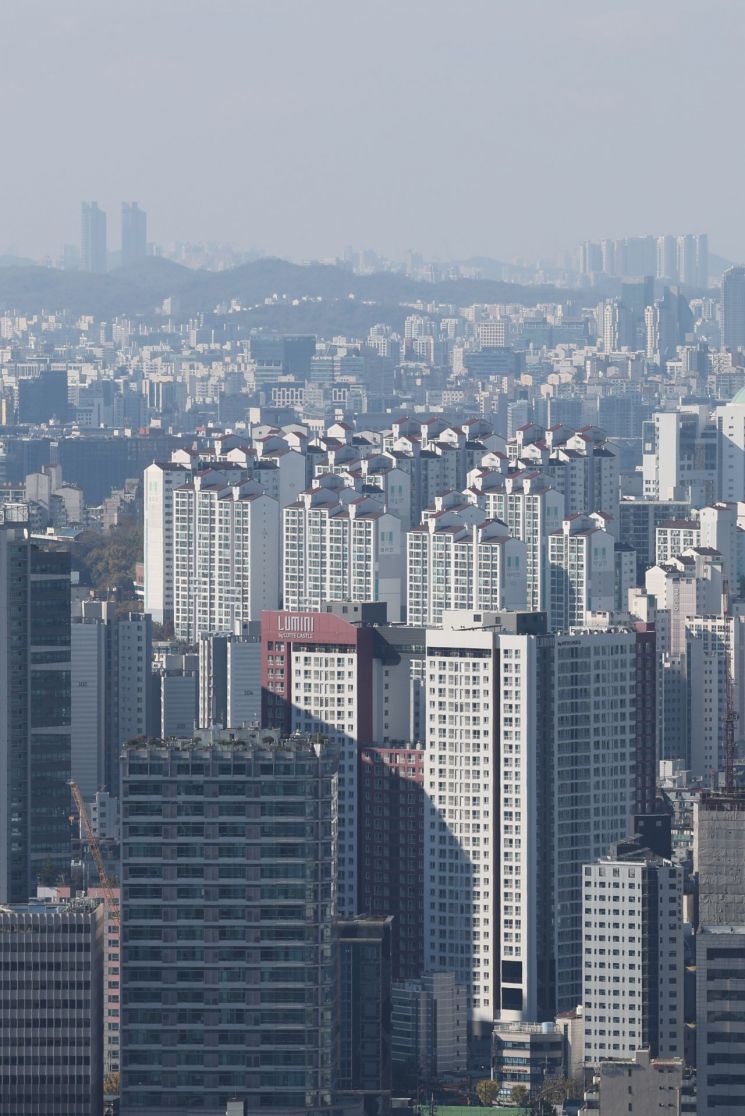
However, it is assessed that this is unlikely to lead to a reversal in the real estate market sentiment. Kyunghee Yeo, senior researcher at Real Estate R114, predicted, “Factors such as economic slowdown and the implementation of the stress DSR (Debt Service Ratio) this month, which encourage buyers to remain cautious, still remain, so the transaction pattern is expected to continue focusing on urgent sales rather than full-scale transaction activation.”
The jeonse (long-term lease) market contracted due to the winter off-season and lease renewals. In Seoul, prices rose by 0.02% and 0.01% in the second and third weeks of January, respectively, but have remained flat (0.00%) for three consecutive weeks since then. New towns also maintained flat prices, while Gyeonggi·Incheon saw a 0.01% increase.
© The Asia Business Daily(www.asiae.co.kr). All rights reserved.
![User Who Sold Erroneously Deposited Bitcoins to Repay Debt and Fund Entertainment... What Did the Supreme Court Decide in 2021? [Legal Issue Check]](https://cwcontent.asiae.co.kr/asiaresize/183/2026020910431234020_1770601391.png)
















