The Korea Development Institute (KDI) recently assessed that while exports are showing signs of recovery in our economy, domestic demand is slowing down. This marks the third consecutive month that KDI has evaluated a 'slowdown in domestic demand.'
On the 7th, through the 'February Economic Trends,' KDI diagnosed, "Despite the slowdown in domestic demand, the continued recovery in exports is easing the economic downturn."
Although domestic-related industries such as construction and services are sluggish, the manufacturing industry, centered on semiconductors, is showing a recovery trend. Manufacturing is evaluated to be maintaining its recovery as production and shipments increase centered on semiconductors, and inventories decrease.
However, it pointed out that manufacturing excluding semiconductors continues to decline. Amid the sluggishness of many industries due to the slowdown in domestic demand caused by high interest rates, exports centered on semiconductors are showing a recovery trend, contributing to the easing of the economic downturn.
Consumption is evaluated to be sluggish, with a decrease in goods consumption and a slowdown in the growth of service consumption. Under the high interest rate regime, goods consumption continued to decline, and service consumption was sluggish in most sectors except for transportation closely related to overseas tourism. Facility investment also was generally sluggish as the high interest rate trend prolonged. Construction investment is also showing signs of slowing, centered on residential buildings.
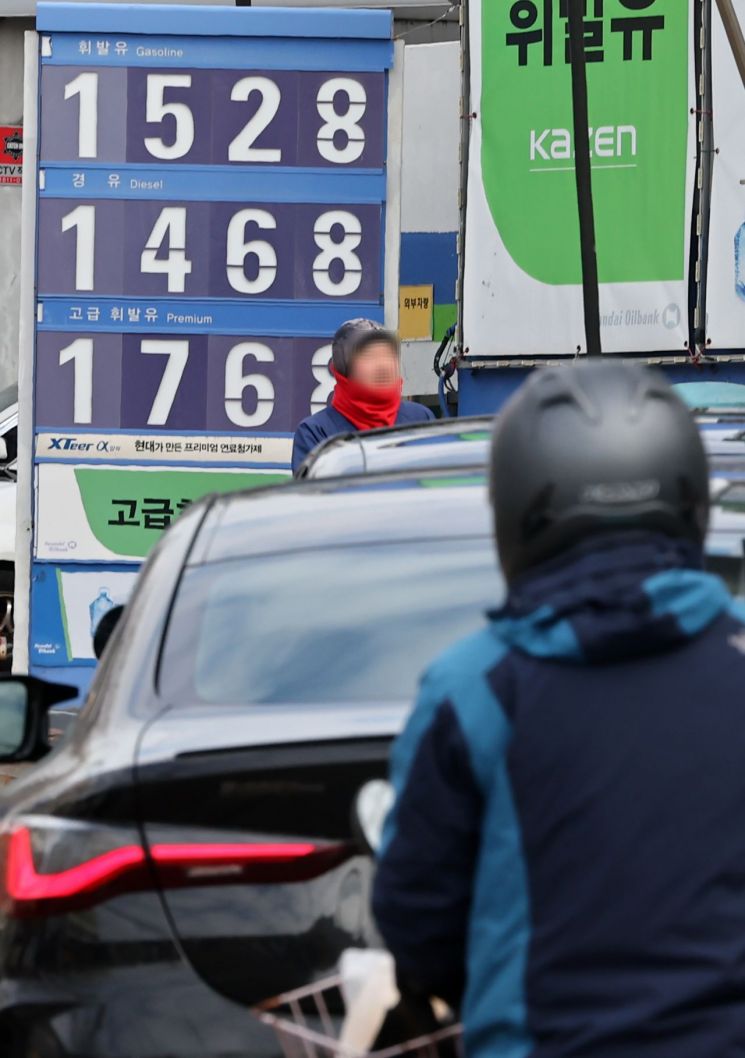
Although the consumer price increase rate significantly narrowed due to the base effect amid the continued domestic demand slump, there are concerns that oil price increases due to geopolitical factors pose a risk of upward pressure on prices in the future.
In January, oil prices rose as tensions in the Middle East escalated and expectations for a soft landing of the U.S. economy increased; however, natural gas, metal, and grain prices were generally maintained at low levels. This year, oil prices are expected to remain volatile for the time being due to geopolitical risks, but with eased supply and demand concerns, they are forecasted to be similar to or slightly lower than last year.
© The Asia Business Daily(www.asiae.co.kr). All rights reserved.
![Clutching a Stolen Dior Bag, Saying "I Hate Being Poor but Real"... The Grotesque Con of a "Human Knockoff" [Slate]](https://cwcontent.asiae.co.kr/asiaresize/183/2026021902243444107_1771435474.jpg)
















