The issue of a population cliff due to low birth rates is becoming increasingly serious. Especially in rural areas, as the population concentrates in the metropolitan area, the sense of crisis over regional extinction is intensifying. Amid this, Gwangyang City in Jeollanam-do is attracting attention for its population growth.
According to birth statistics released by Statistics Korea, South Korea's total fertility rate fell to the 0.7 range in 2022. This year, it is expected to drop to the 0.6 range for the first time. South Korea is the only OECD (Organisation for Economic Co-operation and Development) member country with a total fertility rate in the 0 range. It is virtually the lowest in the world.
Due to the rapid population decline, some local governments in rural areas are facing extinction threats and are working on countermeasures. On the other hand, there are places where the population has increased despite these circumstances. Gwangyang City in Jeollanam-do is a representative example.
According to resident registration population statistics from the Ministry of the Interior and Safety, Gwangyang City's total population has steadily increased over the past three years: △ 150,531 in 2021 △ 152,168 in 2022 △ 152,666 in 2023. This contrasts with nearby areas such as Yeosu City and Suncheon City, where the population is declining.
The secret to Gwangyang City's population growth is attributed to its "abundant jobs." Gwangyang has been making every effort to attract companies annually, winning awards for four consecutive years (2020?2023) in Jeollanam-do's investment attraction evaluation.
The influx of young people is also notable due to the supply of quality jobs resulting from large-scale investment attraction. According to domestic population migration statistics from Statistics Korea, over 5,000 young people (in their 20s to 30s) moved into Gwangyang City (based on inter-city/province migration) in the last two years (2022 to November 2023).
Population growth also has a significant impact on the real estate market. The more people gather, the higher the demand for housing. Subsequently, various infrastructures such as transportation, education, and convenience facilities are expanded, improving living conditions and creating a virtuous cycle that attracts even more population.
Industry experts say, "The competitiveness of the real estate market depends on the level of demand. Since continuous investments are being made centered around the POSCO Group in Gwangyang, population growth is expected to accelerate," adding, "Those interested in real estate investment or considering purchasing a home should pay attention to areas with population growth."
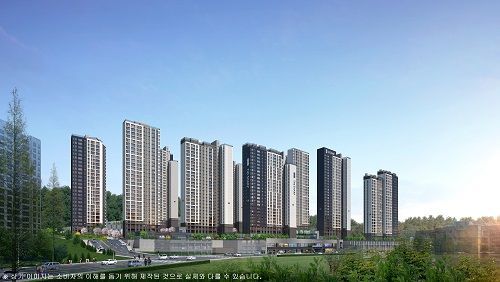
Meanwhile, 'The Sharp Gwangyang Lake Centum,' supplied by POSCO E&C, is drawing attention as it is being built in Gwangyang City. The complex consists of 9 buildings ranging from 3 basement floors to a maximum of 29 floors above ground, with units sized from 84 to 159㎡, totaling 925 households. (717 households are prioritized for sale)
'The Sharp Gwangyang Lake Centum' is located in a prime residential area highly preferred even within Gwangyang and is supplied as a 'The Sharp' brand apartment with excellent product quality, expected to become a landmark representing the region in the future.
The sale price for the 84㎡ units starts in the low 300 million KRW range, highlighting its reasonable pricing, and it offers exceptional financial benefits such as a 5% down payment, a fixed first installment of 5 million KRW, and interest-free intermediate payments, reducing the financial burden on buyers.
'The Sharp Gwangyang Lake Centum' will hold official contracts from February 19 to 21, and the model house is located in the Jung-dong area of Gwangyang City, Jeollanam-do.
© The Asia Business Daily(www.asiae.co.kr). All rights reserved.

















