32.5% Surge Compared to the Previous Year
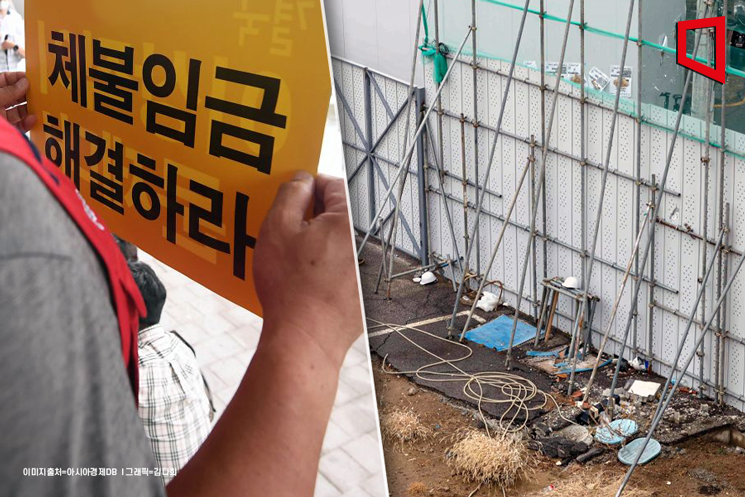
Following the pandemic and the normalization of economic activities along with an increase in construction industry wage arrears, the amount of unpaid wages last year reached a record high.
According to the Ministry of Employment and Labor on the 25th, the total amount of unpaid wages last year was 1,784.53 billion KRW, a sharp increase of 32.5% compared to the previous year (1,347.2 billion KRW). This is the highest amount ever recorded, surpassing the previous record of 1,721.7 billion KRW in 2019.
The annual unpaid wage amounts had been on a declining trend after peaking in 2019, with 1,583 billion KRW in 2020 during the COVID-19 pandemic and 1,350.4 billion KRW in 2021.
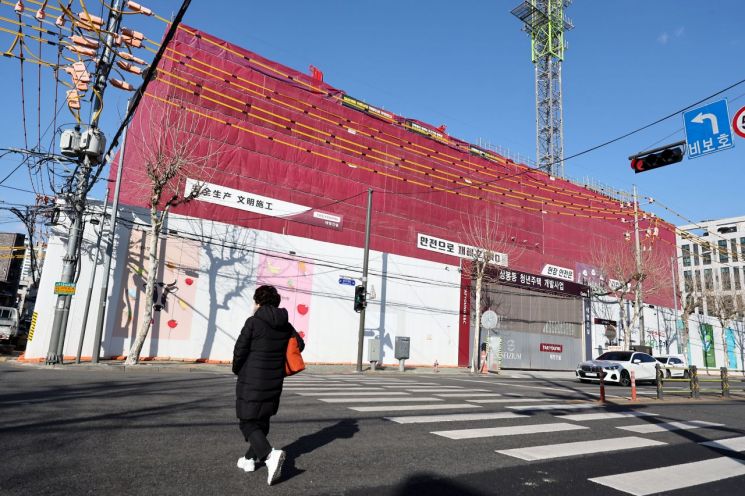
The surge in unpaid wages last year is analyzed to be influenced by the normalization of economic activities after the pandemic as well as an increase in wage arrears in the construction industry.
Due to the sluggish real estate market and increased construction costs caused by rising raw material prices, unpaid wages in the construction sector rose sharply by 49.2%, from 292.5 billion KRW in 2022 to 436.3 billion KRW last year.
In particular, concerns over wage arrears for subcontracted workers are growing at construction sites of Taeyoung Construction, which recently entered a workout (corporate financial restructuring).
Since the 15th, the Ministry of Employment and Labor has been conducting a comprehensive inspection to prevent and resolve wage arrears at all 105 Taeyoung Construction sites nationwide and 500 private construction sites.
Earlier, the government prepared measures to strengthen economic sanctions against habitual wage arrears employers last year and is currently promoting amendments to the Labor Standards Act and other related laws.
On the same day, the Korean Confederation of Trade Unions issued a statement saying, "The government's labor law enforcement is powerless when it comes to workers' wages," and urged, "The government must present practical measures and legal and institutional improvements to solve the wage arrears problem."
© The Asia Business Daily(www.asiae.co.kr). All rights reserved.


















