Annual average growth projected at 2.6%
Demand rises but offset by increased power generation
Fossil fuel share to drop below 60% for the first time in 2026
As countries around the world accelerate their transition to low-carbon energy sources, it is forecasted that nuclear power generation will reach an all-time high next year.
On the 24th (local time), the International Energy Agency (IEA) made this projection in its annual electricity market report.
According to the IEA, nuclear power generation last year was 2,741 TWh (terawatt-hours). It is estimated to increase to about 2,900 TWh next year. By 2026, it is expected to rise to 2,959 TWh, growing at an average annual rate of 2.6%.
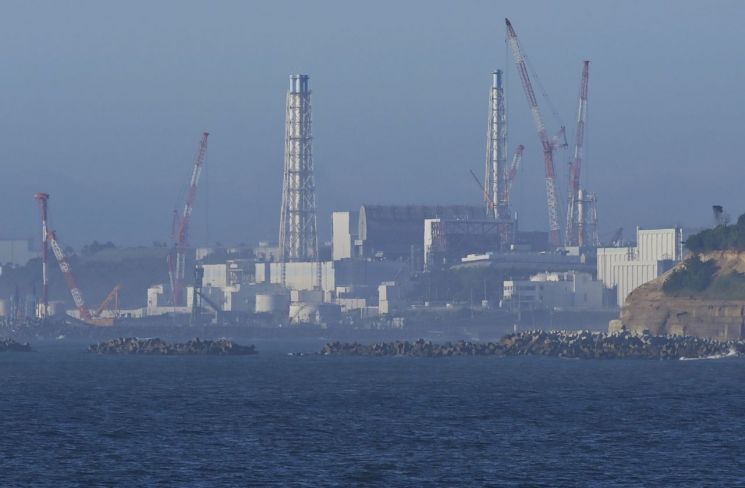
The IEA cited factors contributing to the increase in nuclear power generation, including increased nuclear output in France, the restart of some nuclear reactors in Japan, and the operation of new reactors in China, India, Korea, and Europe.
Additionally, early next year, renewable energy sources such as solar, wind, and hydropower are expected to account for more than one-third of total power generation, surpassing coal power generation. This increase in renewables is attributed to the falling prices of solar panels.
Accordingly, the share of fossil fuels in global power generation is estimated to decrease from 61% last year to 54% in 2026. This would mark the first time since statistics began that the share of fossil fuels falls below 60%.
Carbon emissions from the power sector are also expected to steadily decline. Although carbon dioxide emissions from power production increased by 1% to 13,575 Mt (megatonnes) last year compared to the previous year, a downward trend is anticipated starting this year. By 2026, emissions are projected to drop to 13,111 Mt.
Meanwhile, global electricity demand has increased. Last year, it reached 27,682 TWh, up 2.2% from the previous year. It is predicted to grow at an average annual rate of 3.4%, reaching 30,601 TWh by 2026. This demand growth is expected to be driven by expanded use of electric heating and cooling as well as electric vehicles in developed countries and China.
Fatih Birol, IEA Executive Director, stated, "The power sector currently emits the most carbon dioxide in the global economy," adding, "It is encouraging that the rapid increase in renewable energy use and steady expansion of nuclear power will be able to meet the growing global electricity demand over the next three years."
© The Asia Business Daily(www.asiae.co.kr). All rights reserved.

















