Rare Blood Disorder Treatment... Annual Cost About 400 Million Won
'Episcle', Approved in Korea Following Europe
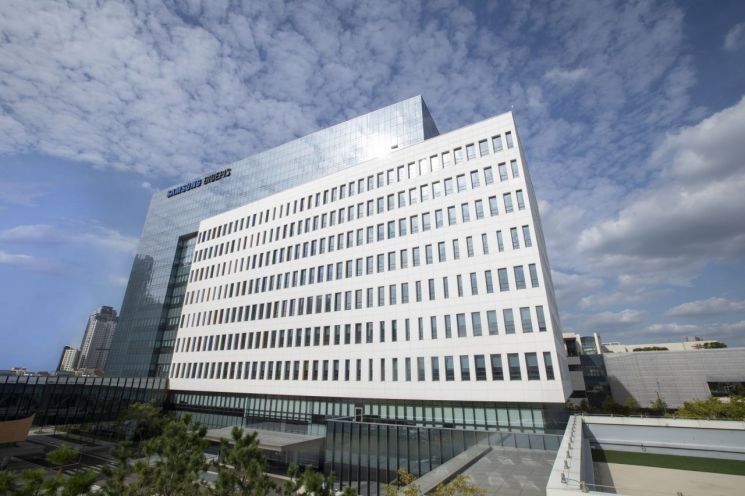
Samsung Bioepis announced on the 22nd that it received marketing authorization from the Ministry of Food and Drug Safety on the 19th for 'Episclee (SB12)', developed as a biosimilar of 'Soliris (active ingredient eculizumab)'. It became the first domestically approved drug as a biosimilar of Soliris, a high-cost rare disease treatment with an annual medication cost reaching 400 million KRW.
Soliris is a treatment for rare refractory hematologic diseases developed by Alexion in the United States. Its core indication is paroxysmal nocturnal hemoglobinuria (PNH), and it is also used for atypical hemolytic uremic syndrome (aHUS) and generalized myasthenia gravis (gMG). It is a blockbuster drug that recorded global sales of 3.762 billion USD (approximately 5 trillion KRW) in 2022. Noticing this growth, AstraZeneca acquired Alexion in 2020 for 39 billion USD (approximately 52 trillion KRW).
PNH is a disease caused by the destruction of red blood cells in the blood, showing symptoms of hemoglobinuria and potentially causing complications such as acute renal failure, posing a life-threatening risk as a rare disease. However, the only current cure for PNH is bone marrow transplantation. Soliris is a drug that prevents the disease from worsening, so continuous administration is required. Accordingly, with an annual treatment cost of about 400 million KRW domestically, the financial burden on patients has been significant.
Since biosimilar drug prices are generally about 30-40% lower than the original, the cost burden for patients with this disease is expected to be greatly reduced through biosimilars such as Episclee. Samsung Bioepis has provided extended supply of Episclee free of charge for up to two years to patients participating in clinical trials, considering patients' financial burden, and has also supported patients without other treatment options through 'approval for therapeutic use of investigational medicinal products' to provide treatment opportunities.
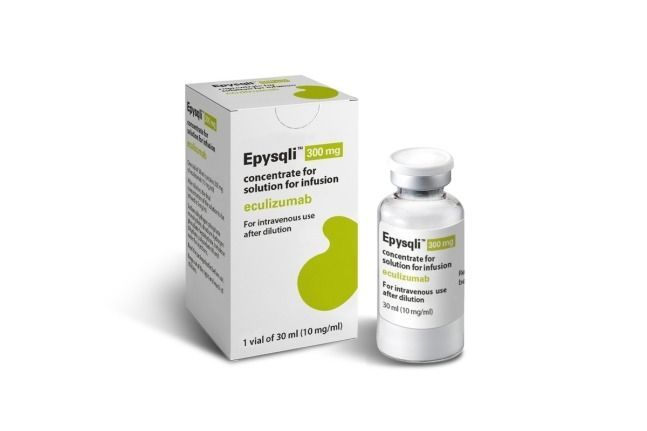
Samsung Bioepis demonstrated clinical and medical equivalence between Episclee and the original drug through a global clinical trial in October 2021. Following marketing authorization from the European Medicines Agency (EMA) in May last year, it has now been approved domestically as well. This approval came about 19 months after the marketing authorization application in June 2022. With this, Samsung Bioepis now holds a total of seven biosimilar products in the fields of autoimmune diseases, oncology, ophthalmology, and hematology in Korea.
Jung Byung-in, Head of Regulatory Affairs (RA) Team at Samsung Bioepis (Executive Director), said, “Episclee is a product that very much aligns with the essential value of biosimilar development, which is improving patient access to high-quality medicines. This marketing authorization is significant as it expands opportunities for rare disease patients in Korea to receive treatment at a reasonable price.”
© The Asia Business Daily(www.asiae.co.kr). All rights reserved.
!["I'd Rather Live as a Glamorous Fake Than as a Poor Real Me"...A Grotesque Success Story Shaking the Korean Psyche [Slate]](https://cwcontent.asiae.co.kr/asiaresize/183/2026021902243444107_1771435474.jpg)

















