81.3% of Consumers Say "Brand Imprint Effect"
Satisfaction Stands Out Among Young Adults in Their 20s and 30s
As popup stores have become a necessity rather than an option in brand marketing, it was found that 8 out of 10 consumers believe popup stores are effective in promoting brands and attracting interest.
On the 22nd, market research firm Embrain conducted a ‘Popup Store Visit Experience and Perception Survey’ targeting 1,000 adults aged 19 to 59 nationwide. The results showed that 81.3% of respondents answered that popup stores are effective in imprinting brands or content on consumers.
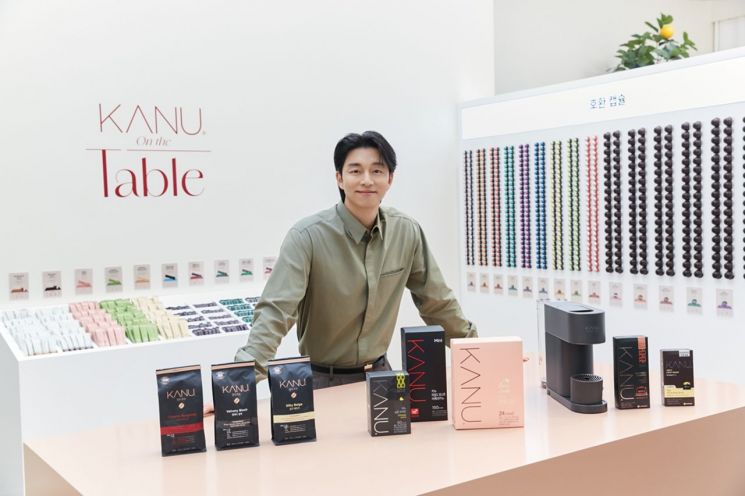
This indicates that offline spaces like popup stores play an important role in building relationships with customers, and most consumers empathize with the purpose of popup store marketing. Additionally, a significant number of respondents said popup stores are good for securing loyal customers or fan bases (66.6%) and that even brands they were not interested in might gain their attention through visiting a popup store (63.1%). The differentiated experiences at popup stores are becoming an important means of providing consumers with touchpoints to the brand.
It was confirmed that popup stores have become popular recently, with 75.6% of all respondents having visited a popup store. By type, the most visited were popup stores utilizing idle spaces such as shopping malls and commercial buildings at 53.5%. This was followed by temporary store-type popups focused on product sales (46.7%), flea market-type popups (42.3%), and experience-oriented content-type popups (35.9%).
Among these, content-type popup stores (63.1%) attracted the highest interest. Specifically, opinions such as “I wish there were more experience-type popup stores where I want to stay longer” (20s 72.0%, 30s 78.8%, 40s 74.8%, 50s 69.2%) and “I lose interest in popup stores that lack experience or exhibition spaces” (20s 57.6%, 30s 57.2%, 40s 61.2%, 50s 59.2%) were high across all age groups. This suggests that securing diverse experiential content will be a key factor for the success of popup stores in the future.
By age group, younger consumers showed notably higher satisfaction with popup store visits. Among those in their 20s, 65.2% responded that their experience at visited popup stores was satisfactory, showing a generally positive trend, whereas only 47.2% of those in their 40s expressed satisfaction, dropping below half. Similarly, 63.8% of people in their 20s said their interest in the brand increased after visiting a popup store, compared to only 48.7% of those in their 40s, showing relatively lower interest.
In fact, most popup stores target the 20s and 30s age groups as their core demand segment and conduct marketing accordingly. Popup stores are recognized as channels to grasp the latest trends, and their popularity or success is used as an indicator to judge publicity and brand awareness. However, the concentration of popup stores in specific areas such as Seongsu-dong in Seoul and ‘The Hyundai Seoul’ in Yeouido has led to challenges such as increased traffic congestion due to crowds and rising rental costs.
© The Asia Business Daily(www.asiae.co.kr). All rights reserved.

















