California, USA, $20 Hourly Minimum Wage
Domino Effect on Fast Food Chains and Restaurants
Work Hour Reductions and Hiring Freezes Planned
In April, the hourly wage in California, USA, is set to increase to $20 per hour (approximately 26,000 KRW), and some restaurant franchises and eateries are responding with 'mass layoffs.'
On the 16th (local time), the American media outlet Business Insider highlighted the case of 'Fatburger,' a family-run restaurant in California where the $20 hourly wage was confirmed. The media emphasized that this restaurant overcame all management crises, including COVID-19 and strict labor laws.
However, Mr. Wilburg, the owner of Fatburger, told Business Insider, "I am more nervous now than at any time I can remember." What has put Mr. Wilburg and other restaurant owners in a difficult position is the recent wage increase passed in California.
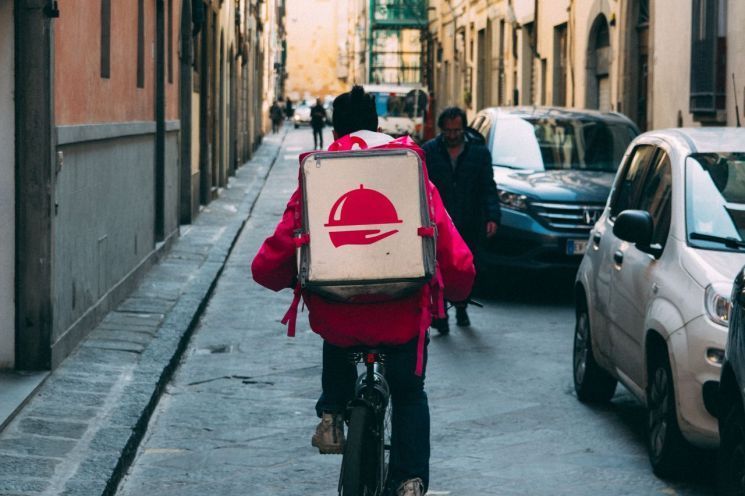 Fast food delivery driver. The photo is not related to any specific expression in the article. [Image source=Pixabay]
Starting in April, California law requires employers to pay workers at least $20 per hour. The media reported that this bill sets a wage 30% higher than the average hourly wage of fast-food workers in the United States. As a result, approximately 30,000 restaurants and a total of 557,000 fast-food franchise employees in California are expected to be affected.
In response to the sudden increase in labor costs, local businesses are reacting by 'reducing staff.' For example, Pizza Hut eliminated its in-house delivery vehicles, resulting in about 1,200 delivery workers losing their jobs. Mr. Wilburg, a small business owner operating Fatburger, also said, "If franchise owners take bold measures (to reduce labor costs), workers will also suffer."
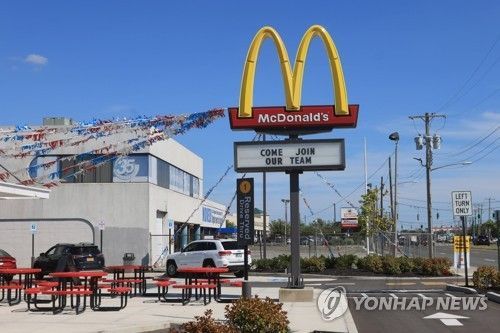
Moreover, California fast-food outlets are taking various measures to cope with soaring operating costs. The most common response is reportedly raising menu prices. Restaurant prices in California have recently increased by 8% annually, and they are expected to rise another 8-10% following the wage hike.
Not only are businesses laying off employees, but they are also reducing working hours and freezing new hires. Additionally, more companies are eliminating paid leave and break times for employees. Mr. Wilburg, who used to provide paid leave for employees for 'Family Day' events, said, "I don't think we can afford to do that anymore," calling it "a truly shameful thing."
Meanwhile, the newly increased hourly wage is expected to raise labor costs not only for part-time workers but also for management and skilled workers. In fact, with the sudden rise in minimum wage, a reversal phenomenon occurs where part-time workers earn more than middle managers. Ultimately, to prevent skilled workers from leaving, wages for other workers must also be increased accordingly.
Mr. Wilburg sees the biggest victims of these side effects as "California's teenagers." He said, "Restaurants hiring teenagers with little employment experience will drastically decrease," adding, "Kids will lose their first jobs at places like McDonald's."
© The Asia Business Daily(www.asiae.co.kr). All rights reserved.
![Clutching a Stolen Dior Bag, Saying "I Hate Being Poor but Real"... The Grotesque Con of a "Human Knockoff" [Slate]](https://cwcontent.asiae.co.kr/asiaresize/183/2026021902243444107_1771435474.jpg)

















