Ministry of Health to Support Children and Adolescents with Type 1 Diabetes
"91.7% of Patients Are Adults... Support Scope Should Be Expanded"
One of the backgrounds of the Taean family death incident was revealed to be the economic burden caused by managing 'Type 1 diabetes,' sparking discussions about the caregiving costs for families with diabetic patients. Kim Mi-young, the representative of the Korea Type 1 Diabetes Patient Association, criticized the Ministry of Health and Welfare's plan to partially support costs for pediatric and adolescent Type 1 diabetes patients, stating that "the scope of support should be expanded to include adult patients as well."
Representative Kim likened Type 1 diabetes to "a disease like a traffic accident." She explained that because it is an autoimmune disease, it cannot be predicted or prevented. Having a child with Type 1 diabetes, Kim appeared on YTN's 'News Rider' on the 12th and said, "No one in my family or my in-laws has been diagnosed with Type 1 diabetes," adding, "Children are sometimes diagnosed even before developing poor eating habits."
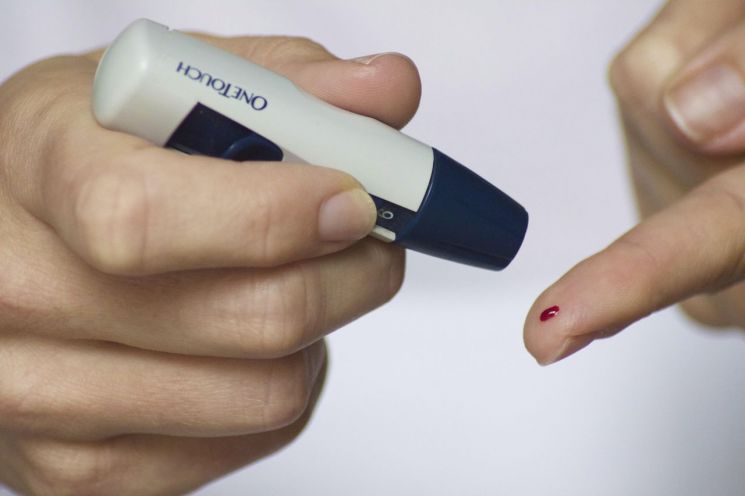
Generally, the diabetes that the public is familiar with is Type 2 diabetes. It is a disease caused by problems in insulin secretion due to reasons such as obesity, lack of exercise, or stress, so managing the causes of onset is sufficient. In the case of Type 1 diabetes, the beta cells of the pancreas that secrete insulin are destroyed by an autoimmune mechanism, so daily insulin injections are necessary. Because self-management of blood sugar is difficult, dependence on devices is also high.
Representative Kim stated that the monthly cost burden for a Type 1 diabetes patient is about 600,000 to 700,000 KRW. She said, "The cost of hospital visits and insulin prescriptions is about 100,000 KRW per month," and "additionally, continuous glucose monitors, insulin pumps, consumables related to blood sugar checks, and medical devices cost between 200,000 and 500,000 KRW."
Moving to tertiary general hospitals is also an issue. Kim said, "Because various complications need to be tracked and observed, patients must visit not only endocrinology but also cardiology, ophthalmology, and other departments, so they have to go to tertiary general hospitals," adding, "Among tertiary general hospitals, there are not many specialized in diabetes management, so many patients travel from provinces to Seoul for outpatient visits."
The family found dead on the 9th in a residential area of Taean-gun, Chungnam, was also understood to have experienced economic burdens related to managing Type 1 diabetes. The suicide note included the words, "My daughter is struggling so much, and it breaks my heart. The financial difficulties are also severe." The couple had been facing economic hardships while treating their 8-year-old daughter with Type 1 diabetes for many years.
As the issue of caregiving costs for Type 1 diabetes surfaced, the government decided to reduce the burden rate for insulin pumps and support consumable costs for pediatric and adolescent Type 1 diabetes patients starting at the end of next month. On the 11th, the Ministry of Health and Welfare stated in a press release, "With this measure, the patient's economic burden, which previously cost at least 3.8 million KRW over five years, will be reduced to 450,000 KRW."
However, Representative Kim pointed out that support for diabetes management costs should be expanded to adults. She emphasized, "It is very welcome that the medical cost burden can be greatly reduced," but added, "Looking at the distribution of the patient population, 90% are adults, and being an adult does not mean the economic burden is less." As of the end of June last year, there were 36,248 Type 1 diabetes patients in Korea, of whom 3,013 (8.3%) were pediatric and adolescent patients under 19 years old.
© The Asia Business Daily(www.asiae.co.kr). All rights reserved.

















