Results of Disease Control Agency Paper Released on the 8th
Women Dieting Despite Being Underweight
Coining New Terms Like Bbeomalra and Proana
Among women in their 20s, 1 in 6 to 7 is underweight, and nearly half of those who are either normal weight or underweight attempt to lose weight. In contrast, although the obesity prevalence among men is increasing, the proportion of men trying to lose weight is decreasing.
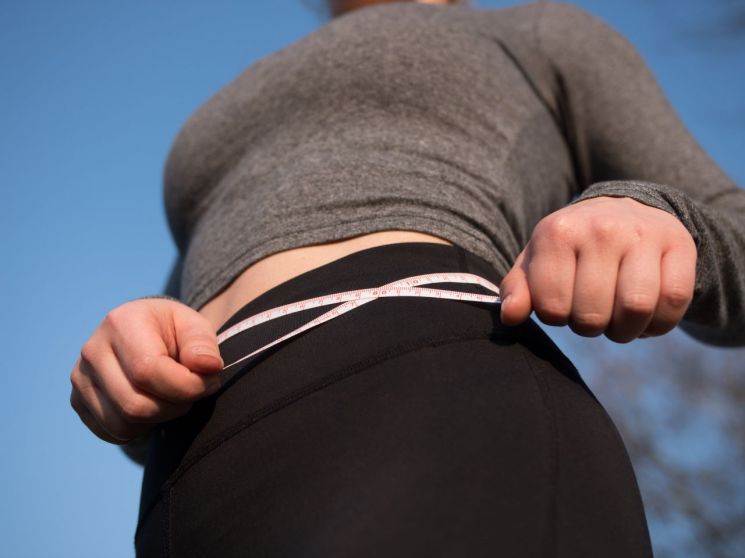
On the 8th, the Korea Disease Control and Prevention Agency published a paper titled "Attempt Rate of Weight Loss and Related Factors According to Body Mass Index Classification of Korean Adults." According to the data, an analysis of the 2013?2021 Korea National Health and Nutrition Examination Survey showed that in 2021, 15.1% of women aged 19?29 had a body mass index (BMI) below 18.5, classifying them as underweight. This means that 1 in 6 to 7 women in this age group had a weight below the normal range. The proportion of underweight individuals was 14.8% in 2019?2021, up 2.4 percentage points from 12.4% in 2016?2018.
Despite being underweight, 16.2% of these women attempted weight loss, and even among those with normal weight (BMI 18.5?23, accounting for 55.8% of the total), 53.9% tried dieting to lose weight. Combining these two groups, nearly half?46.0%?of women who were either underweight or normal weight attempted to lose weight.
The paper pointed out, "A sociocultural atmosphere that favors a thin body type and induces indiscriminate weight control leads young women to have a high rate of body image distortion. Repeated dieting by individuals who are underweight or normal weight can adversely affect the cardiovascular system and increase the risk of malnutrition, anemia, and osteoporosis. Being underweight before pregnancy can also lead to negative pregnancy outcomes such as recurrent miscarriage."
Obesity Rate in Men in Their 30s and 40s Increased, but Attempts to Lose Weight Decreased
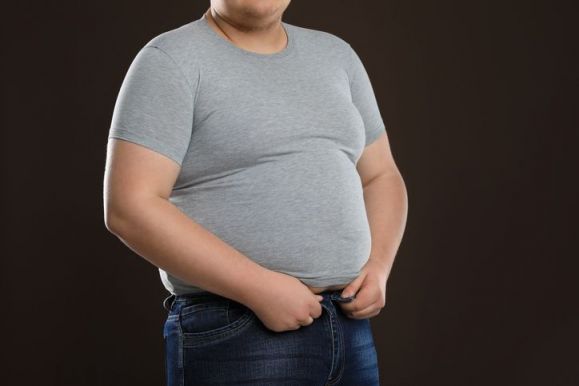
Meanwhile, based on all age groups, the rate of weight loss attempts among obese individuals (BMI 25 or higher) was 54.6% for men and 62.9% for women during 2019?2021. Although the subjective obesity recognition rate?those who perceive themselves as obese?was 84.6% for men and 94.7% for women among the obese, fewer people actually attempted dieting.
In particular, the obesity prevalence among men in their 30s and 40s increased significantly from 44.9% and 42.2% in 2013?2015 to 52.0% and 51.1%, respectively. However, the rate of weight loss attempts among obese men in their 30s slightly decreased from 57.5% to 56.9%, and in their 40s, it noticeably dropped from 61.9% to 54.7%.
For those with normal weight to obesity, the rate of weight loss attempts was higher among younger age groups, unmarried individuals, those with higher education levels, those who subjectively recognized themselves as obese, and those who engaged in aerobic physical activity.
Men were more likely to attempt weight loss if they were non-smokers, while women tended to try losing weight if they perceived stress related to obesity, did not have chronic diseases, or were high-risk drinkers.
The paper emphasized, "Although obesity prevalence is increasing among men, the attempts to lose weight among obese men have decreased. Conversely, many young women attempt weight loss despite being underweight. It is necessary to educate women of childbearing age about healthy body image and to shape social attitudes through mass media to prevent the continuation of a social atmosphere that encourages unnecessary dieting."
Pro-ana, Ppyeomalra, and More... Extreme Thin Body Ideals Among Women in Their Teens and Twenties
 A student sharing 'how not to be manipulated into eating' during an extreme diet.
 [Photo by X (formerly Twitter)]
Meanwhile, among women in their teens and twenties, there is an increasing desire to achieve a gaunt and thin body. These individuals primarily lose weight through extreme fasting methods such as fasting, water-only fasting, purging after eating (eating and vomiting), and chewing and spitting out food. New terms like "Pro-ana" (pro-anorexia) and "Ppyeomalra" (literally "bone-thin") have emerged, becoming a social issue.
On the social networking service X (formerly Twitter), searching for diet-related keywords like "Ppyeomalra" yields dozens of posts expressing envy toward celebrities who do not gain weight, calling them "born 'super skinny humans' and living a godly life." These individuals also recruit others to join their extreme fasting practices. They follow each other's accounts and share methods for diet control, as well as photos and phrases that motivate weight loss. They refer to meal invitations from concerned acquaintances as "feeding" and teach ways to avoid being "fed," such as "how not to be fed" and "how to avoid feeding."
An obsessive fixation on thinness can easily lead to eating disorders such as anorexia nervosa and bulimia nervosa. Even a slight weight gain causes anxiety and self-loathing, prompting extreme measures. For students in their growth phase, excessive dieting influenced by appearance-oriented culture, preference for thin bodies, and media can harm growth and development. Extreme dietary restrictions increase vulnerability to anemia, hair loss, and infectious diseases, and during adolescence?a critical period for brain development?can cause obsessive-compulsive disorder and depression.
Experts point to the growth process as a cause of this phenomenon. Professor Dong-gwi Lee of Yonsei University’s Department of Psychology explained, "If during the growth process, primary caregivers or media continuously send messages that one must manage their appearance and body shape, individuals internalize these messages. As they imprint the preferred appearance and body shape from the media internally, they increasingly care about and worry about how others perceive them."
© The Asia Business Daily(www.asiae.co.kr). All rights reserved.
![Clutching a Stolen Dior Bag, Saying "I Hate Being Poor but Real"... The Grotesque Con of a "Human Knockoff" [Slate]](https://cwcontent.asiae.co.kr/asiaresize/183/2026021902243444107_1771435474.jpg)


















