In Japan, there is a custom called 'Hatsumode (初詣)' on January 1st, the first day of the New Year, where people visit temples or shrines to mark the beginning of the year. It means the first worship of the New Year and is also called 'Hatsumairi (初まいり),' which means visiting the deity for the first time in the new year.
Temples or shrines with a long history or reputed spiritual power are considered famous spots that attract continuous visitors from all over the country.
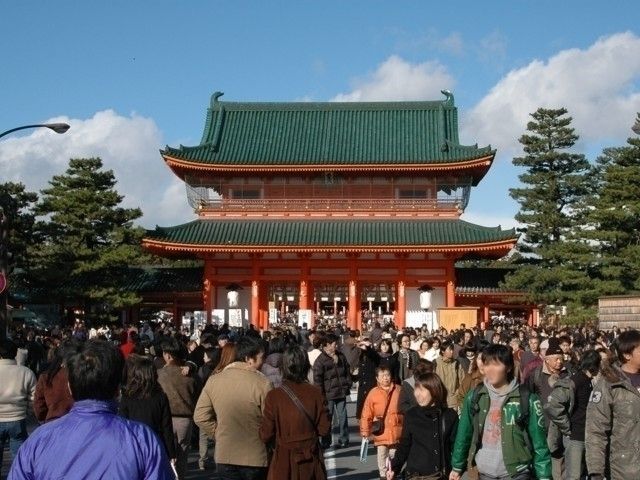
According to the '2024 Hatsumode Spot Ranking' selected by Jordan Co., Ltd., a company dealing with tourism content in Japan, the first place is Sumiyoshi Taisha in Sumiyoshi Ward, Osaka City. It is the head shrine of more than 2,000 Sumiyoshi shrines across Japan, and its main hall is designated as a National Treasure.
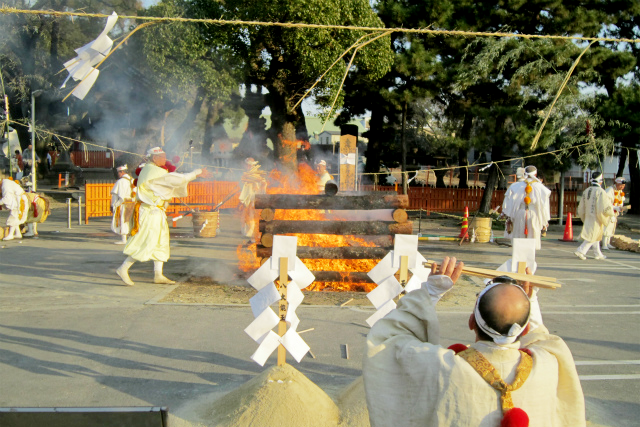 The number one Hatsumode spot, Osaka Sumiyoshi Shrine, holds a New Year's ceremony. (Photo by Sumiyoshi Shrine)
The second place is Heian Shrine in Kyoto, which was established to commemorate the 1100th anniversary of the Heian capital relocation. The torii gate at the shrine entrance is also famous as a mascot of Kyoto. On December 31st, a ceremony is held to light all the lanterns in the precincts, and from the early morning of January 1st, New Year rituals are conducted.
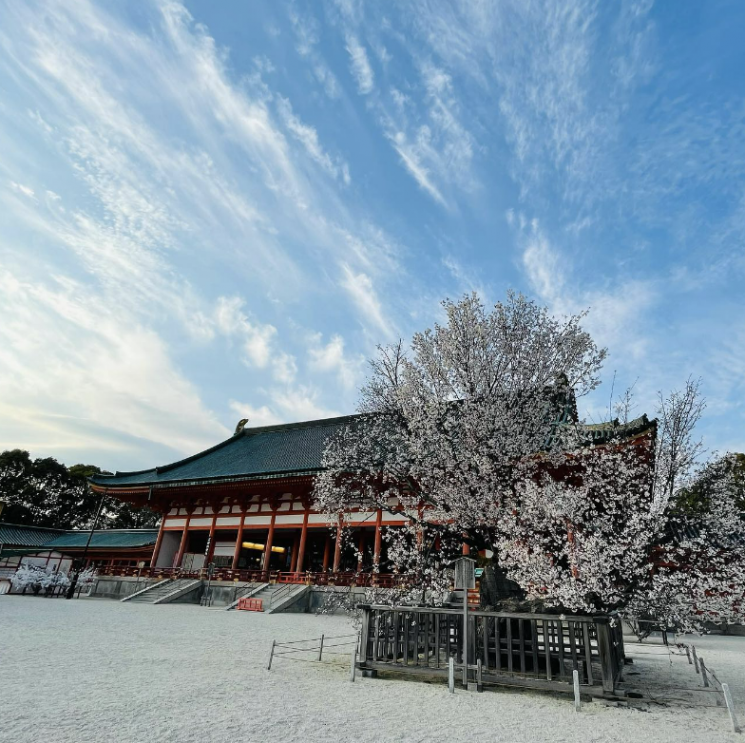
The third place is Toga Shrine in Aichi Prefecture, which enshrines representative earth deities appearing in Japanese mythology and is considered a guardian of the entire Tokai region. From January 3rd to 10th, a ritual praying for a bountiful harvest is held.
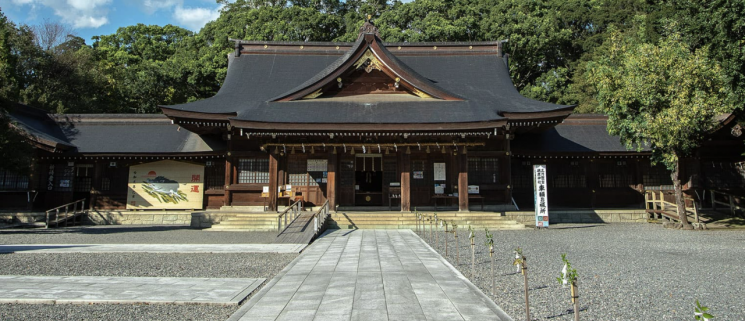
The fourth place is Kanpuku-ji Temple in Chiba Prefecture, famous for the Fudo Myo-o (不動明王) who wards off evil. Fudo Myo-o is one of the five great Myo-o in Buddhism who awaken people from darkness and ignorance. The annual ritual of lighting a fire in front of Fudo Myo-o to burn away evil is famous, and it is easily accessible from the Tokyo metropolitan area, attracting many visitors.
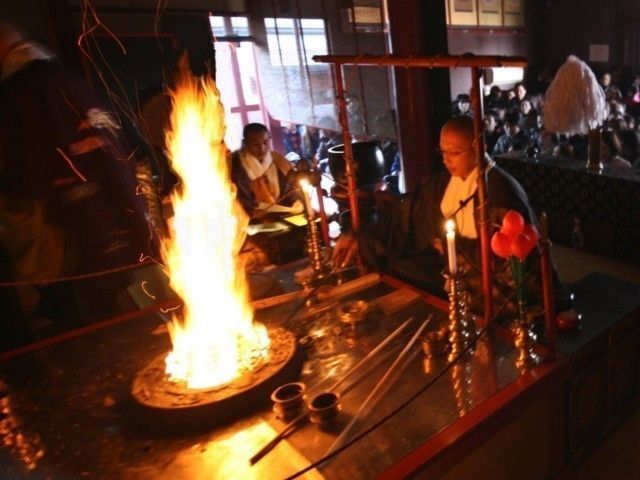
The fifth place is Kanda Shrine located in Chiyoda Ward, Tokyo, known for showcasing the essence of the Edo period. Above all, it is near Akihabara, known as the center of anime culture, and has appeared several times as a background in Japanese animation, making it famous as a pilgrimage site for anime fans.
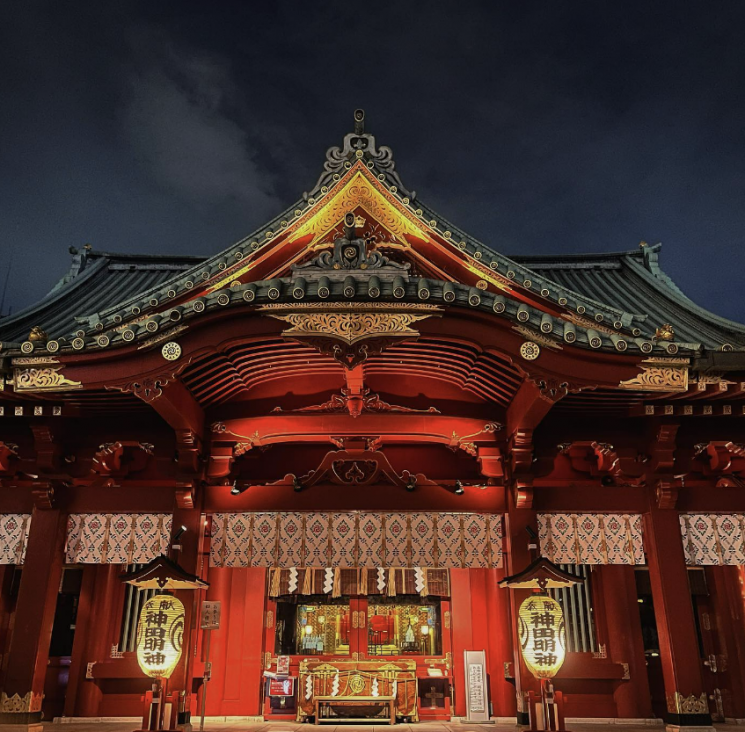
Due to the risk of accidents caused by large crowds at Hatsumode spots, many places announce that visitors should spread out their visits to dates other than January 1st during the early New Year period.
At the visited places, people also draw omikuji, fortune slips that predict the year's luck and misfortune. After offering a small fee, you shake a container with fortune slips inside, and a numbered stick pops out through a small hole. You then take the fortune slip from the drawer or box corresponding to the number on the stick. The fortunes are usually categorized as great blessing, blessing, middle blessing, small blessing, curse, and great curse. If you receive a bad fortune, you tie it to a designated place.
© The Asia Business Daily(www.asiae.co.kr). All rights reserved.
![Clutching a Stolen Dior Bag, Saying "I Hate Being Poor but Real"... The Grotesque Con of a "Human Knockoff" [Slate]](https://cwcontent.asiae.co.kr/asiaresize/183/2026021902243444107_1771435474.jpg)


















