Nonfarm New Jobs in Q1 Next Year Expected to Increase by 80,000 per Month on Average... Half of November's Level
Wage Growth Rate Also Declines
Cumulative Tightening Effects... Growing Expectations for Rate Cuts
Morgan Stanley "If Hard Landing, Rate Cut to 2.25% Next Year"
A survey conducted by regional Federal Reserve Banks revealed that the U.S. labor market is expected to cool rapidly next year. Following the slowdown in inflation, signs of cooling are also emerging in the labor market, raising expectations for interest rate cuts by the Federal Reserve (Fed). Amid this, global investment bank Morgan Stanley predicted that if the cumulative tightening effects cause a sudden economic hard landing in the U.S. next year, rate cuts could accelerate, potentially lowering rates to around 2.25?2.5% by the end of next year.
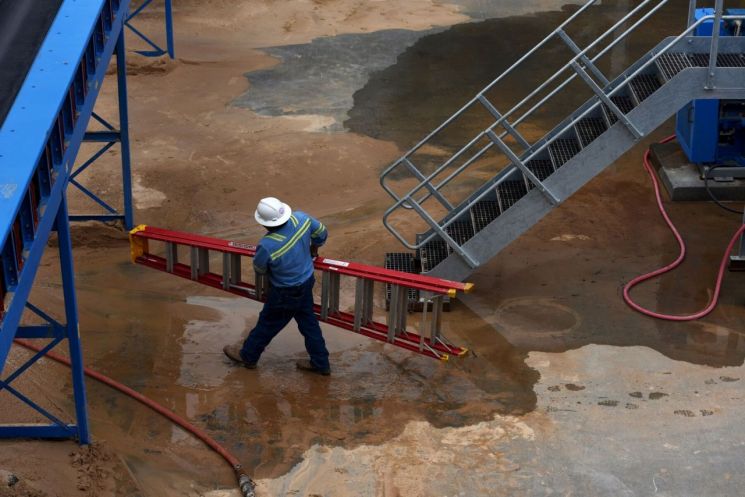
According to surveys from several regional Federal Reserve Banks on the 27th (local time), nonfarm payroll employment in the U.S. is expected to increase by an average of 80,000 jobs per month in the first quarter of 2024 (month-over-month).
Compared to the 150,000 and 199,000 job increases in October and November respectively, the growth is projected to be about half. The regional Fed Banks forecast that nonfarm payrolls will increase by 170,000 in December, a slight decrease from the previous month, and then rapidly slow down early next year. The cumulative tightening effects are gradually impacting employment as well.
In fact, the Philadelphia Fed, which oversees Delaware, Pennsylvania, and southern New Jersey, reported that manufacturing employment expectations are at their lowest level since 2009. The New York Fed released survey results showing manufacturing employment expectations at their lowest since March 2017, and service sector employment expectations at the second-lowest level in the past three years. The Richmond Fed also stated that factory employment in December fell to its lowest level since March 2020.
As the labor market cools, concerns about wage-driven inflation are also easing. The Dallas Fed expects the annual wage growth rate next year to be 4.3%, down from over 7% during 2021?2022.
Bloomberg News analyzed, "While companies still cite a shortage of experienced and skilled workers as a problem, these survey results indicate that labor market supply and demand are moving toward balance."
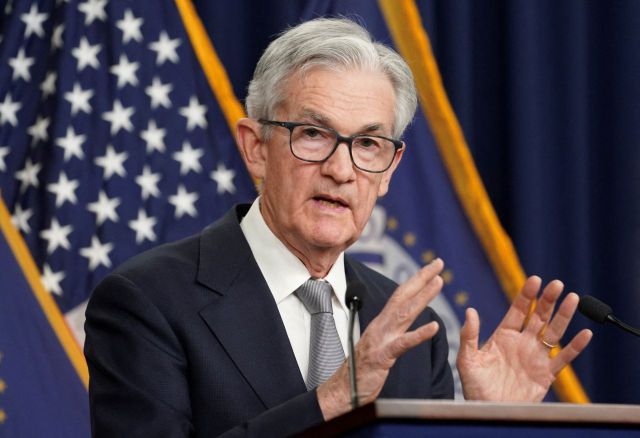
Following the decline in U.S. inflation rates, signs of cooling in the labor market are spreading expectations for the Fed’s anticipated rate cuts next year. Earlier, on the 13th, the Fed lowered its year-end rate forecast for next year from 5.1% to 4.6% in the dot plot released at the Federal Open Market Committee (FOMC) meeting, implying about three rate cuts next year. According to the Chicago Mercantile Exchange (CME) FedWatch tool, the federal funds futures market on that day reflected over a 73% probability that the Fed will cut the benchmark rate to 5.0?5.25% at the March FOMC meeting next year, up from 70.1% the previous day and 21.5% a month ago.
The expectation of rate cuts has also led to a decline in the value of the dollar. The Dollar Index, which measures the value of the U.S. dollar against six major currencies, stood at 100.92 as of 6:05 p.m. local time, marking its lowest level in five months since July.
Some analysts suggest that the pace of rate cuts next year could be much faster than the market expects. Morgan Stanley, contrary to the prevailing market optimism about a soft landing, warned of a possible hard landing for the U.S. economy and forecast that the Fed would cut rates by 0.25 percentage points in March and May next year, followed by a 0.5 percentage point cut over the remaining period. They projected the year-end rate next year to fall to 2.25?2.5%, and by 2025, rates could drop to 1.5?1.75%, levels seen at the early stages of the COVID-19 pandemic.
© The Asia Business Daily(www.asiae.co.kr). All rights reserved.


















