ITEC announced on the 22nd that its subsidiary BA Energy has secured technology capable of preventing thermal runaway in secondary batteries.
BA Energy, a company specializing in battery safety management systems, received technology transfers for three items, including a 'thermal runaway prevention film,' from the research team led by Professor Jongjin Park of Chonnam National University. This technology will be utilized to advance BA Energy's existing battery safety management system.
The transferred technology relates to a 'thermal runaway prevention film' that has a self-extinguishing function when thermal runaway occurs in energy storage systems and electric vehicle batteries. The film uses phase change crystalline fibers to absorb initial heat and prevent heat transfer and thermal runaway within the cells.
BA Energy plans to apply this technology to enhance its existing battery safety management system, further strengthening safety. In the event of a fire in energy storage system solutions (BESS) or battery logistics solutions (BLSS), it can block flame propagation.
Secondary batteries can experience thermal runaway reaching approximately 600 to 900 degrees Celsius in situations such as when some cells stop functioning, explosions caused by external shocks, overcharging/discharging, or exposure to high temperatures. When thermal runaway occurs, heat rapidly transfers, potentially spreading fire throughout the entire battery module. In severe cases, this can lead to incidents that completely destroy electric vehicles or energy storage systems (ESS).
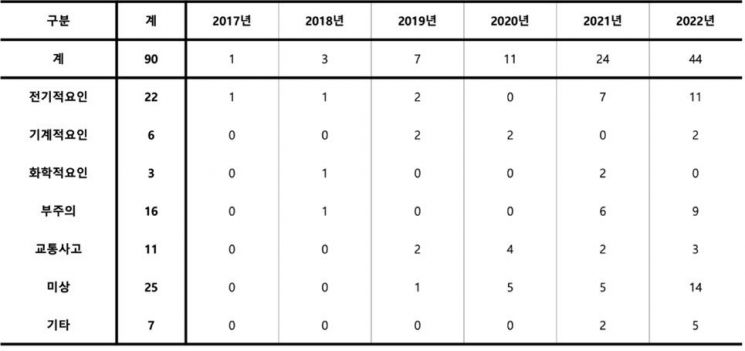
According to statistics from the National Fire Agency, causes of electric vehicle fires include electrical, mechanical, and chemical factors, but a significant portion remains unidentified due to unknown causes.
Kang Taeyoung, CEO of BA Energy, stated, "We plan to effectively integrate the technology we have accumulated so far with the newly acquired technology. Above all, we aim to create a safe battery usage environment and establish ourselves as the number one battery safety solution company in Korea."
Meanwhile, BA Energy has also proposed standards for the transportation and storage of used batteries in island regions. BA Energy announced that it has completed the 'Analysis of Packaging and Transportation Standards and Design of Storage Boxes for Used Electric Vehicle Batteries' commissioned by local government-affiliated organizations.
The results of this project are expected to be reflected in future standards for the transportation and storage of used batteries in island regions. Currently, lithium-ion batteries that have reached the end of their usage cycle are classified as Class 9 hazardous materials according to United Nations (UN) recommendations and must comply with related packaging guidelines and regulations during transportation.
© The Asia Business Daily(www.asiae.co.kr). All rights reserved.
![Clutching a Stolen Dior Bag, Saying "I Hate Being Poor but Real"... The Grotesque Con of a "Human Knockoff" [Slate]](https://cwcontent.asiae.co.kr/asiaresize/183/2026021902243444107_1771435474.jpg)











