Following the U.S. consumer price index, the producer price index also showed a slowdown.
According to the U.S. Department of Labor on the 13th (local time), the November Producer Price Index (PPI), a wholesale price indicator, rose 0.9% year-on-year. This is the lowest level since July (0.3%) and falls short of both the previous month's increase (1.2%) and the expert forecast of 1.0% compiled by Refinitiv. The November PPI also remained flat compared to the previous month, falling short of the expert forecast of 0.1%.
The core PPI, which excludes volatile energy and food prices, rose 2% year-on-year, marking the lowest level since January 2021. The index excluding energy, food, and trade rose 2.5%, showing the smallest increase since September 2021.
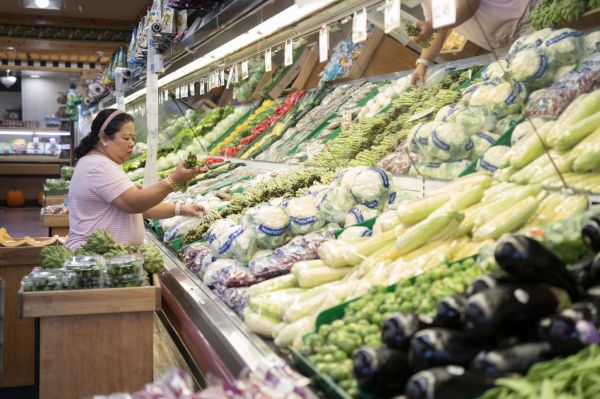
By item, energy prices fell 1.2% over the month, contributing to the overall slowdown in producer price growth. Gasoline prices dropped 4.1%. Industrial chemicals, jet fuel, and liquefied petroleum gas also showed a downward trend. On the other hand, prices of eggs, fruits, and utility natural gas increased.
This wholesale price indicator was released following the November Consumer Price Index (CPI) report the previous day, which showed a 3.1% year-on-year increase, matching market expectations and indicating a slowdown. Considering that wholesale price increases typically pass through to consumer prices later, this is also interpreted as a signal that inflationary pressures are easing.
The Federal Reserve (Fed) is scheduled to announce the results of this year's final Federal Open Market Committee (FOMC) meeting this afternoon. The key points are the dot plot containing future interest rate projections and the press conference by Fed Chair Jerome Powell. The market expects that, considering the recent inflation slowdown trend, the Fed will hold interest rates steady while signaling a rate cut next year through a more hawkish dot plot than expected, but will also temper market expectations.
© The Asia Business Daily(www.asiae.co.kr). All rights reserved.

















