Bridgewater Associates led by Ray Dalio, known as a 'China bull,' along with major Wall Street players such as Carlyle, have recently been reducing their investments related to China. This is analyzed as a result of overlapping concerns about China's economic slowdown, led by an unprecedented real estate slump, and uncertainties under President Xi Jinping's administration.
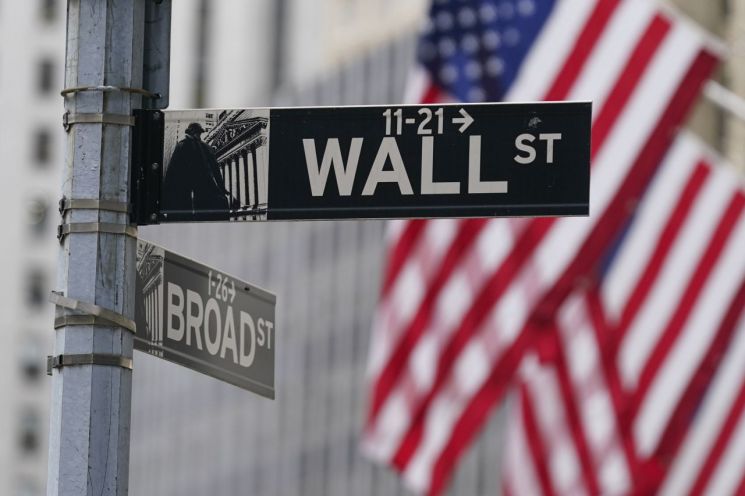
The Wall Street Journal (WSJ) reported on the 7th (local time), citing investment data firm Preqin, that private equity funds on Wall Street raised an average of $100 billion annually for investments in China over the past decade, but the funds raised this year until the end of November amounted to only $4.35 billion.
Large hedge funds, including Bridgewater, have also significantly reduced their holdings of China-related stocks recently. In the third quarter alone, Bridgewater liquidated or reduced stakes in about 36 Chinese companies, including electric vehicle startup Xpeng and PDD Holdings. As of the end of September, the value of the company's holdings in Chinese firms had decreased by 60% compared to the same period last year. Major private equity firm Carlyle has halted fundraising for new China-related funds. Mutual funds such as Vanguard and VanEck have also withdrawn or suspended their China investment plans.
The reduction in Wall Street's investments, which had been active in the Chinese market, is evaluated as another blow to the Chinese economy, which is already facing the departure of global companies and concerns about economic slowdown. Funds related to Chinese stocks and bonds held by global institutional investors decreased by $31 billion net until October this year. This is the largest net outflow since China joined the World Trade Organization (WTO) in 2001.
The background includes concerns about China's economic downturn and uncertainties under Xi Jinping's administration. WSJ conveyed the atmosphere, stating, "The unprecedented real estate slump is frightening investors holding hundreds of billions of dollars in debt issued by Chinese developers," and "As President Xi emphasizes national security, data access is restricted, and foreign companies are facing raids and investigations." Josh Wolfe, managing partner of venture capital firm Lux Capital, said, "The reason for deciding not to invest in China five years ago was that the Chinese government’s use of technology for social surveillance appeared to be a sign of increased state control," and predicted that the exodus of Wall Street capital from China will continue.
While most global companies have been cautious about business risks in China, Wall Street has focused much more on the profit potential that investing in China could bring and has been betting on it. They invested in Chinese startups, managed Chinese institutional funds, and sought to list Chinese companies on the New York Stock Exchange to gain huge profits. However, WSJ also reported that when Mike Gallagher, a leading China hawk and chair of the U.S.-China Strategic Competition Special Committee in the U.S. House of Representatives, visited New York last September to persuade Wall Street figures to stop investing in China, a different atmosphere was confirmed. He was reportedly surprised to find that Wall Street was already withdrawing investments from China and that there was no need for active persuasion.
However, not everyone is pulling out of China. Amy Celico, partner at Washington-based consulting firm Albright Stonebridge Group, said, "Wall Street has been very slow to exclude China (from investment targets)," and "It will continue to be slow."
Even Wall Street firms that have begun reducing investments are showing cautious moves to avoid upsetting Chinese authorities. During the Asia-Pacific Economic Cooperation (APEC) summit held last month in San Francisco, prominent Wall Street figures such as BlackRock CEO Larry Fink and Dalio, the founder of Bridgewater, attended President Xi Jinping’s dinner with business leaders, and they all gave a standing ovation after Xi’s speech. WSJ reported that this dual-track approach to China investment is also why most Wall Street executives who met with Special Committee Chairman Gallagher in September requested that the meeting be kept confidential.
© The Asia Business Daily(www.asiae.co.kr). All rights reserved.

















