Automotive Safety Research Institute Reflects BMS Performance Improvement Evaluation
Checks for Abnormalities Such as Battery Temperature After Engine Shutdown
Agreement with Electric Vehicle Manufacturers... To Be Applied from Next Year
Even if the electric vehicle (EV) engine is turned off, the function to monitor battery temperature changes for a certain period is expected to be expanded to a significant number of models starting next year. Currently, this feature is only available in some domestic EV models, but from next year, it will be included as part of vehicle safety evaluations. This is expected to help alleviate fire concerns, which are considered a major obstacle to purchasing EVs.
According to a comprehensive report by Asia Economy, the Korea Transportation Safety Authority's Automotive Safety Research Institute has agreed with domestic and international EV manufacturers and sellers to reflect this content in next year’s evaluation while revising the KNCAP (Korean New Car Assessment Program) program. NCAP is a system that evaluates and scores new cars' safety performance through various tests, primarily by directly demonstrating crash scenarios.
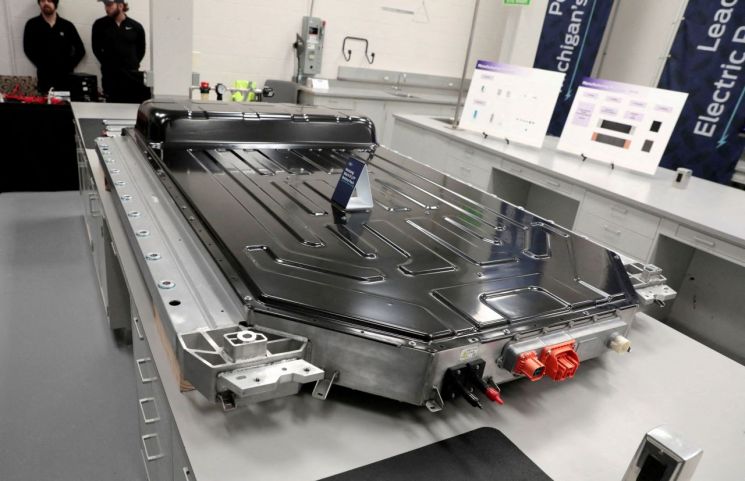
Basically, NCAP assesses safety by vehicle parts during collisions, pedestrian collisions, emergency automatic braking systems, and more, but it adjusts the program by adding items tailored to market characteristics or demands. NCAP is not mandatory. However, since it is a credible authority on vehicle safety, manufacturers consider it an important factor if it is reflected in the evaluation. Overseas consumers in the U.S. and Europe also regard it as a crucial criterion when purchasing vehicles. As a public institution that directly evaluates vehicle safety, more people in Korea have recently started to consider it as a purchasing standard.
The Automotive Safety Research Institute and EV manufacturers have decided to improve the performance of the Battery Management System (BMS). The key point is that even after the engine is turned off, the BMS does not shut down immediately but monitors the battery for abnormalities for about 2 to 3 hours. The system will notify the vehicle owner, manufacturer, or fire authorities if the temperature rises above a certain threshold or if there are external changes after the engine is off.
This is because most EV fires occur not during collisions, driving, or charging, but while the vehicle is parked with the engine off. Moon Bo-hyun, a senior researcher at the Automotive Safety Research Institute, explained, "Among about 80 EV fires since 2018, nearly 90% occurred while parked. If the BMS remains active while parked, it will be possible to respond more promptly to battery abnormalities."
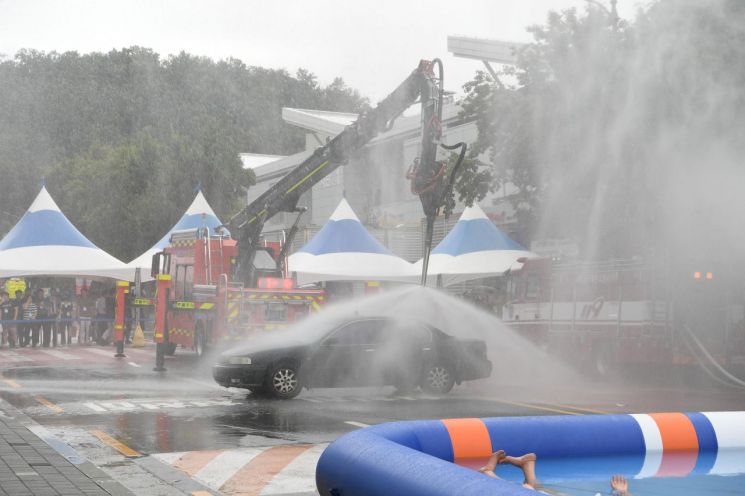
Currently, during KNCAP evaluations, the presence of such advanced battery protection functions is checked as part of accident prevention safety. However, at present, this is only reported as information and not scored. Except for Hyundai, Kia, and Volvo Cars, other EV manufacturers and sellers do not provide information related to this feature. It is also reported that Europe is reviewing similar content while revising the NCAP program.
Starting next year, when this becomes an official evaluation item, the research institute expects that not only new vehicles but also existing ones will have this function supplemented through software updates, as it is not technically difficult. When the Kona EV fire became a social issue in 2020, BMS performance was improved in a similar way. Although the frequency of EV fires is lower than that of internal combustion engines, the difficulty in responding to fires has been cited as a factor discouraging purchases. Improving BMS performance is likely to be actively accepted by EV manufacturers as it enhances preemptive response capabilities technically.
An official from the completed vehicle industry said, "The sooner an abnormality is detected, the more serious accidents can be prevented. It is a technology that can be sufficiently supplemented by visiting service centers or through OTA (over-the-air) updates."
© The Asia Business Daily(www.asiae.co.kr). All rights reserved.
![Clutching a Stolen Dior Bag, Saying "I Hate Being Poor but Real"... The Grotesque Con of a "Human Knockoff" [Slate]](https://cwcontent.asiae.co.kr/asiaresize/183/2026021902243444107_1771435474.jpg)

















