Year-End Shopping Season Sees Increase in Online Installment Finance Transactions
As the year-end shopping season approaches, online installment financing transactions among low-income and low-credit Americans have significantly increased. With Americans' excess savings depleted, the repayment burden on these low-income groups is expected to grow as installment financing bills come due one after another.
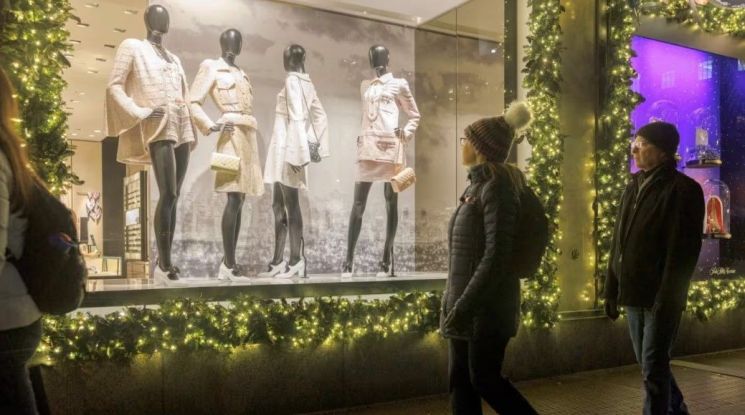
According to Adobe's marketing data analysis solution, 'Adobe Analytics,' the online spending amount for 'Buy Now Pay Later (BNPL)' services totaled $10.1 billion from last month to date. This represents a 17% increase compared to a year ago.
BNPL is an installment financing product mainly used by low-income and low-credit individuals who cannot obtain credit cards. The payment company pays the merchant on behalf of the consumer, and the consumer repays the purchase amount to the payment company in installments. As excess savings accumulated during the COVID-19 period in the U.S. have been depleted and returned to pre-pandemic levels, this payment method has regained popularity, especially among low-income and low-credit consumers. Consumers, feeling the burden of soaring inflation, are delaying payments as a way to engage in year-end shopping.
The problem is that the increase in installment financing usage translates into a higher loan burden for low-income groups. While many BNPL services have offered interest-free installment benefits, such benefits have almost disappeared in recent months. According to Affirm, one of the BNPL service providers, 74% of transactions in the recent quarter involved installment financing products with interest payment conditions, and over 90% of loans were products with a maximum interest rate of 36%.
Delicia Reynolds Hand, director at Consumer Reports, a U.S. consumer media outlet, said, "Given the high prices, we can somewhat predict that consumers may fall into unmanageable debt burdens more quickly."
Unlike credit card loans, where the debt size is clearly disclosed, BNPL services involve many hidden loans that financial authorities do not receive reports on. Consequently, the loan growth rate may accelerate further. Fintech expert Armen Meyer said, "Because BNPL loans are not reported, the debt can accumulate significantly."
Foreign media reported, "With the surge of Americans preferring the 'buy now, pay later' method during the year-end shopping season, concerns are growing that low-income groups may face difficulties repaying their bills early next year," adding, "The increase in advanced technology installment products is intensifying repayment anxiety."
© The Asia Business Daily(www.asiae.co.kr). All rights reserved.

















