Contract for Development of Multi-Antibodies Based on T-Cell Engaging Antibody Platform
Contract Size 1.158 Trillion KRW
License-in Option Possible Depending on Joint Research Results
Exclusive Rights Also Exercised for the Multi-Antibodies
Celltrion announced on the 6th that it has signed a joint research agreement with Cyreon Therapeutics (hereinafter Cyreon), a company specializing in antibody discovery and development, for the development of bispecific and trispecific antibodies. Through this agreement, both companies plan to leverage their research and development (R&D) capabilities to accelerate the development of multi-specific antibody-based anticancer drugs.
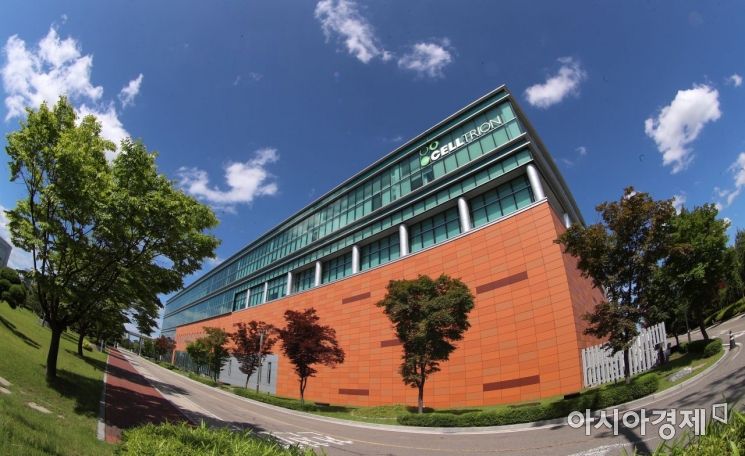
Under this agreement, Celltrion will provide target antibody clones to Cyreon, and Cyreon will utilize its proprietary CD3-targeting T-cell engager (TCE) platform to jointly conduct research on multi-specific antibody drug development. The contract period is three years, starting from the signing date, December 6, 2023.
TCE multi-specific antibodies are therapeutics that induce anticancer effects by attacking cancer cells through T-cells. Recently, their therapeutic efficacy has been demonstrated in the field of hematologic cancers, leading to global research and development efforts. The global hematologic cancer treatment market, currently valued at approximately 70 trillion KRW, is expected to grow at an annual rate of over 8% due to the entry of new modality drugs, reaching about 100 trillion KRW by 2028.
Considering the unmet medical needs and high market potential, the two companies plan to expand their targets beyond hematologic cancers to include solid tumors, jointly developing multi-specific antibody therapeutics to improve patient access to treatment.
Subsequent development will proceed based on the results of the joint research. The contract value amounts to a total of 1.158 trillion KRW, including up to 10.5 billion KRW in development milestone payments per individual program and up to 320 billion KRW in sales milestone payments after commercialization. The costs incurred during the research phase will be shared equally by both parties. According to the mutual license option clause, if Celltrion uses the multi-specific antibodies discovered through the joint research, it will pay royalties to Cyreon and obtain exclusive rights. Conversely, if Cyreon uses them exclusively, Celltrion will receive royalties.
Through this agreement, Celltrion plans to secure future new pipelines and further strengthen its competitiveness in the anticancer field. By rapidly securing pipelines through a two-track strategy of in-house anticancer drug development and licensing external products, Celltrion aims to enhance its overall product portfolio by adding anticancer drug product lines to its existing antibody therapeutics.
A Celltrion representative stated, "Celltrion is actively pursuing the discovery of new drug candidates to leap beyond biosimilars and become a true global big pharma. Based on our proprietary antibody development platform technology and pharmaceutical development capabilities, we will fully commit to new drug development in collaboration with promising biotech companies."
Meanwhile, Celltrion plans to continuously invest the integrated group's resources in new drug and new modality development following the merger. Last September, Celltrion signed a joint development agreement with a U.S. biotech company aiming to develop a bispecific antibody therapeutic targeting HER2-positive solid tumors. The company is collaborating with various domestic and international firms to secure technologies for multi-specific antibodies, antibody drugs, antibody-drug conjugates (ADC), and oncolytic virus platforms.
© The Asia Business Daily(www.asiae.co.kr). All rights reserved.
![Clutching a Stolen Dior Bag, Saying "I Hate Being Poor but Real"... The Grotesque Con of a "Human Knockoff" [Slate]](https://cwcontent.asiae.co.kr/asiaresize/183/2026021902243444107_1771435474.jpg)
















