14 Chinese Trust Companies Face Soundness Crisis
One-Third of Assets Non-Performing, Concerns Over Redemption Suspension
Experts have warned that trust companies, which played a shadow banking role by providing funds to Chinese construction companies, could face a chain reaction of redemption suspensions as a capital soundness crisis hits. This is a cautionary warning mixed with concerns that the crisis triggered by the chain bankruptcy of Chinese construction companies could spread to the financial market.
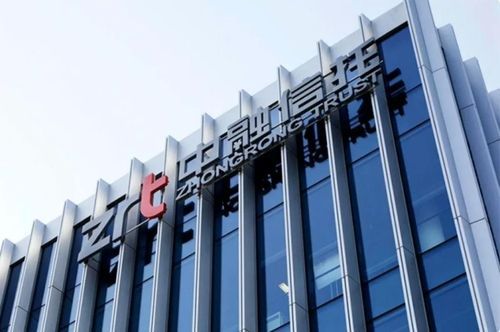
According to Bloomberg on the 4th, Jason Bedford, a former analyst at Bridgewater Associates, a US hedge fund, and UBS Group, stated, "A significant number of China's trust companies are facing severe liquidity problems to the extent that they may suspend redemptions."
After analyzing 55 Chinese trust companies that disclosed their financial statements last year, he found that 14 companies had non-performing assets and assets showing signs of potential distress exceeding one-third of their total assets. Bedford also analyzed that most of the 13 companies that did not disclose financial statements are likely to face capital soundness issues.
Trust companies in China have collected deposits from wealthy individual investors or corporations to invest in assets such as stocks and bonds, or served as a funding source for construction companies that cannot borrow from regulated banks. Trust companies perform functions similar to banks but are in a regulatory and supervisory blind spot, making them a representative example of 'shadow banking.' According to Bloomberg, the lending scale of trust companies is estimated to be about 10% of China's total loan amount.
Recently, large real estate developers including Evergrande have faced a chain default crisis, severely impacting trust companies as well. Goldman Sachs estimated that Chinese trust companies could incur losses amounting to 50 trillion won this year due to the real estate crisis. As of March, the proportion of trust companies' total funds invested in real estate was only 7.4%, but Goldman Sachs' analysis suggests that losses could increase if investments in stocks and bonds are included. Furthermore, when adding the scale of defaults on personal loans from trust companies to real estate developers, the loss scale is expected to grow even larger. Goldman Sachs estimated that as of the end of March, trust companies' credit exposure to the real estate sector could reach about 1.6 trillion yuan.
Trust companies, which had sold high-yield financial products to attract customers' funds, are now at risk of failing to repay interest on matured products to customers. In September, Zhonglong International Trust suspended interest and principal redemptions on dozens of investment trust products. The estimated damage from redemption suspensions alone is about 14 million dollars.
Bedford expressed concern, "The high-interest loan business targeting real estate developers, which many trust companies have long focused on as their core business, appears to have come to an end," adding, "A huge crack has already appeared in the trust industry that has extended massive loans to troubled companies."
© The Asia Business Daily(www.asiae.co.kr). All rights reserved.
![Clutching a Stolen Dior Bag, Saying "I Hate Being Poor but Real"... The Grotesque Con of a "Human Knockoff" [Slate]](https://cwcontent.asiae.co.kr/asiaresize/183/2026021902243444107_1771435474.jpg)
















