Industry: "Government Recognizes Need for System Improvement... Will Reduce Patient Burden"
Medical Community: "Must Withdraw Immediately... Will Harm Public Health"
As the government announced supplementary measures to significantly expand the range of patients eligible for non-face-to-face medical consultations, telemedicine service providers collectively welcomed the move. Meanwhile, the medical community opposed it, arguing that there was insufficient discussion.

An official from the Remote Medical Industry Council (WonSanHyup) stated on the 1st that "it is positive that the government has recognized the need for system improvement as the pilot project enters its sixth month." WonSanHyup has four member companies providing telemedicine services.
Earlier, the Ministry of Health and Welfare announced that it will implement the "Supplementary Measures for the Telemedicine Pilot Project," which includes plans to significantly expand the allowable time and regions for initial non-face-to-face consultations, starting from the 15th. The supplementary measures include ▲relaxation of follow-up visit criteria ▲expansion of initial consultation targets ▲expansion of exception areas.
According to the supplementary measures, starting from the 15th, if a patient has had an in-person consultation at a hospital or clinic within the past six months, they can receive telemedicine services from that hospital or clinic regardless of the disease. The telemedicine pilot project, which began in September, allowed non-face-to-face consultations only for the "same disease" following an in-person consultation.
The scope of initial telemedicine consultations will also be expanded. During medically vulnerable times such as holidays and nighttime (after 6 p.m.), anyone can receive an initial consultation via telemedicine. The regions where initial telemedicine consultations are allowed will be expanded from some mountainous areas to emergency medical vulnerable areas covering 39% of all cities and counties. Emergency medical vulnerable areas are defined as cities or counties where more than 30% of the population cannot reach a regional emergency medical center within 30 minutes or a regional emergency medical center within one hour. A total of 98 cities and counties fall under this category, accounting for 39.2% of all 250 cities and counties.
Telemedicine providers plan to prepare to operate their services in line with the implementation of the supplementary measures. These providers have been sustaining their businesses by offering new services such as health consultations, hospital appointment bookings, and nutritional supplement sales as telemedicine itself has been practically declining as a pilot project. Some providers have even ceased telemedicine services altogether. A representative from a telemedicine company explained, "We plan to operate services strictly according to the pilot project standards," adding, "We will verify whether users are in emergency medical vulnerable areas and promote the updated telemedicine criteria to users."
Regarding the relaxation of follow-up visit criteria, it was evaluated as reducing the burden on both patients and medical staff. A WonSanHyup official said, "Removing the criterion that allowed follow-up visits only for the same disease is a reasonable improvement," and added, "It will also reduce the burden on medical staff who had to verify the same disease each time."
However, there were voices expressing regret that initial consultations are only allowed during holidays and nighttime. The official stated, "Telemedicine platforms originally have a low proportion of consultations during nighttime and holidays, so the number of users is unlikely to increase significantly," and argued, "Pharmacies are closed at night when initial consultations are allowed, so it is contradictory to tell patients to pick up prescribed medications at pharmacies after telemedicine consultations. This part needs to be reconsidered."
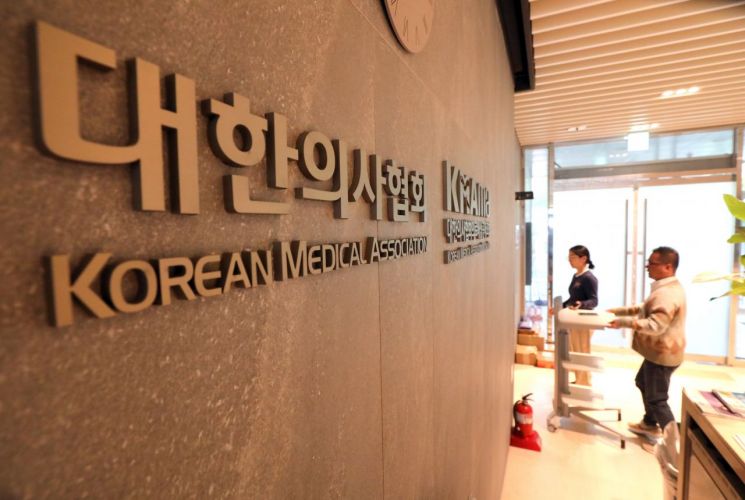
On the other hand, the medical community immediately opposed the measures, claiming they were made without discussion. The Korean Medical Association and other medical groups have opposed the expansion of telemedicine, citing concerns about over-treatment, misdiagnosis, and misuse of pharmaceuticals. Upon the government's announcement of the supplementary measures, the Medical Association issued a statement expressing "strong regret over the unilateral announcement of the expansion of telemedicine targets without consultation with the medical community" and demanded "immediate withdrawal."
The Medical Association pointed out that the supplementary measures are tantamount to full allowance of initial consultations and described them as "an irresponsible decision that effectively nullifies the basic principles related to the telemedicine process." They also criticized the government for hastily preparing the current measures without any reasonable basis despite promising to discuss the status and improvement plans of the telemedicine pilot project in the future.
They also warned that the expansion of telemedicine during holidays and nighttime could lead to the side effect of excessive prescription of pharmaceuticals. The Medical Association stated, "Emergency medical patients expanded to include initial consultations during holidays and nighttime actually require accurate diagnosis and treatment through face-to-face consultations," and added, "Since patients cannot immediately receive medications, allowing only telemedicine may lead to inappropriate medical use aimed solely at obtaining prescriptions."
Finally, the Medical Association warned, "The government's unilateral expansion of the telemedicine pilot project without sufficient discussion and verification with the medical community will further deteriorate public health," and said, "All responsibility lies with the government."
The Korean Pharmaceutical Association also issued a statement urging the government to withdraw the supplementary measures for telemedicine. The association said, "Although the government stated it would listen to difficulties through advisory groups and field meetings for the telemedicine pilot project and gather diverse opinions from patient groups, consumer groups, the medical community, and experts, it unilaterally decided and announced the expansion today," and demanded, "The expansion must be immediately withdrawn and an apology made to the public and healthcare professionals."
© The Asia Business Daily(www.asiae.co.kr). All rights reserved.
![Clutching a Stolen Dior Bag, Saying "I Hate Being Poor but Real"... The Grotesque Con of a "Human Knockoff" [Slate]](https://cwcontent.asiae.co.kr/asiaresize/183/2026021902243444107_1771435474.jpg)

















