For Your Health Next Year... Please...

Many of you probably took out your coats but ended up wearing your padding jackets right away because of the sudden scent of spring in the air. This winter has been really strange. It's December, yet instead of the chill of autumn, we feel the warmth of spring?what on earth is going on? There was even news about forsythia blooming due to this unusual climate. Could it be that our bodies, like the forsythia, are fooled into thinking spring has arrived? With weather like this, our bodies keep feeling sluggish. Getting older is already tough, but my poor stamina feels like it’s aged three years instead of one. Shouldn’t we get through this winter healthily so that next year’s me is stronger? Exercise is good, and resting well is important, but how about starting with what we eat?
Mu (Korean Radish)
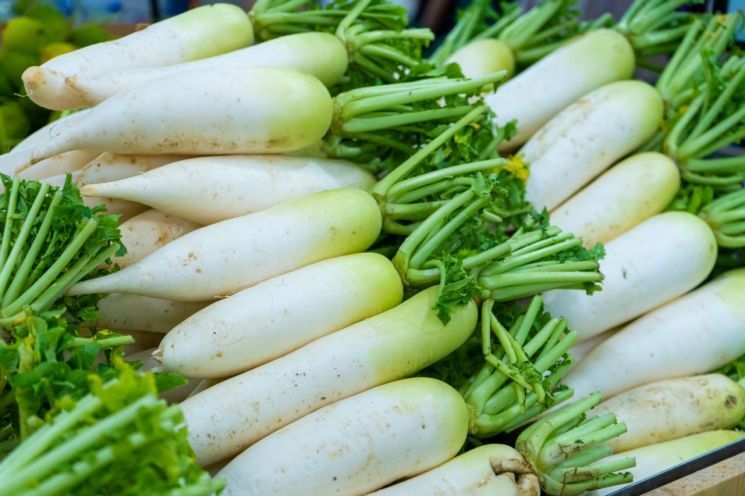
Winter mu (Korean radish) is incredibly sweet. If you cut it and hold it to eat, it tastes as sweet as a pear. It’s crunchy and full of moisture, so it also gives a feeling of fullness. It’s perfect for dieting. Only 13 calories per 100g?that’s impressive. Although low in calories, it’s rich in minerals like calcium and potassium. Moreover, it contains diastase and peroxidase enzymes that aid absorption and digestion, making your stomach feel comfortable.
There are many ways to cook it, but I recommend braised mu, where diced radish is boiled with soy sauce, sugar, and red pepper powder. It’s great to mix into rice when you have no appetite, and it’s easy to digest. Depending on your preference, you can add fish or fish cakes to create different dishes.
Baechu (Napa Cabbage)
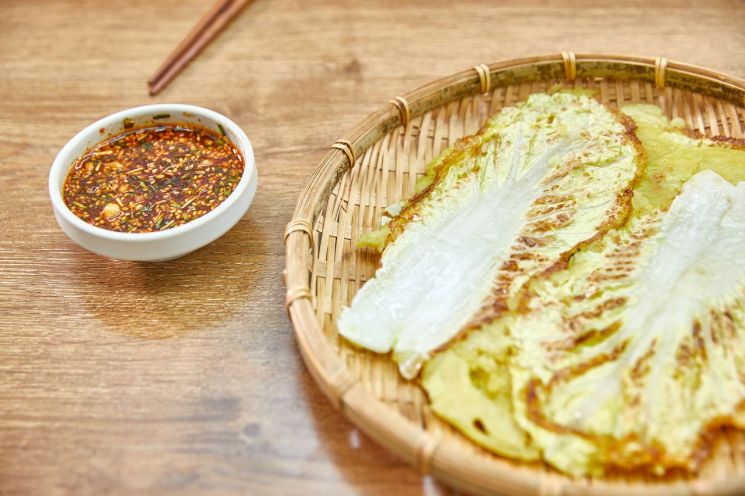
Baechu (Napa cabbage) is delicious dipped in gochujang (red chili paste) or wrapped with meat, bringing pure happiness. But baechu tastes sweetest when made into baechujeon (cabbage pancakes). The super simple recipe involves dipping well-washed baechu in tempura batter and frying it in a pan with oil. If you’re dieting, just coat it very thinly with batter and use only a little oil so it doesn’t burn. Still better than using a lot of batter and oil, right?
Although baechujeon is tasty, many can’t eat much because it’s very filling. That’s because it contains 97% water. Baechu is especially rich in vitamin C, making it excellent for preventing colds in winter. Vitamin C remains intact even when grilled or salted, which is very fortunate. Additionally, it contains calcium and fiber, which are good for bone health and constipation. It’s also rich in potassium, which helps regulate nerve and muscle contraction and relaxation, and helps expel sodium from the body. So, baechu is definitely a must-eat!
Apple
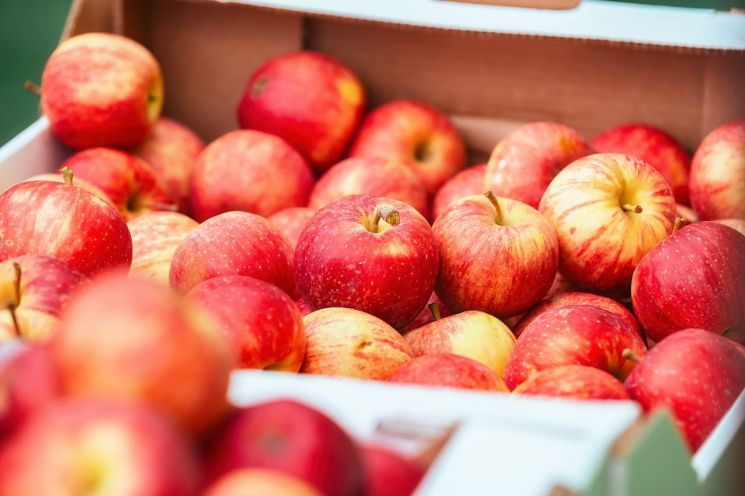
It’s obvious that strawberries taste great in winter, so I won’t mention that. Winter apples, having endured the cold frost, are sweeter and crisper. Actually, apples taste good all year round. Rich in dietary fiber, apples lower harmful cholesterol that builds up in blood vessels and raise beneficial cholesterol. They also contain organic acids that remove fatigue substances and vitamin C that’s good for the skin. Perfect for preventing colds in winter. With 57 calories per 100g, one apple can give you a feeling of fullness, making it excellent for managing your body during winter when you crave sweets.
Apples are great as a snack in the morning, at lunch, or when you’re a bit hungry. They also pair wonderfully with samgyeopsal (grilled pork belly), so if you’re a true foodie, I hope you try the delightful combination of samgyeopsal and apple.
The perfect pairing of samgyeopsal and apple can be found here.
Yuja (Yuzu)
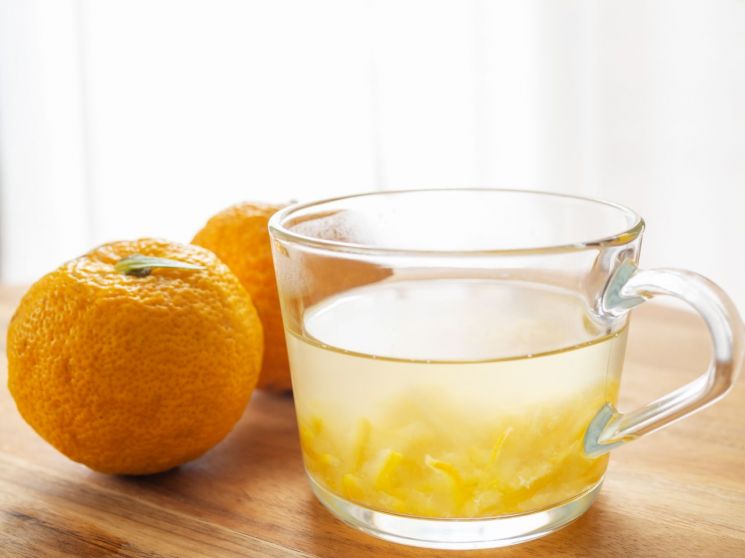
Isn’t winter synonymous with tangerines? Once you peel a tangerine, you keep eating until your hands turn yellow. I’m currently working with tangerine-stained hands. Since tangerines are a given, I’d like to introduce yuja (yuzu), which is also rich in vitamin C like tangerines. Yuja contains three times more vitamin C than lemons, along with vitamin A, citric acid, protein, and organic acids, making it excellent for reducing inflammation and relieving fatigue. It’s also rich in organic acids, which help prevent aging and are beneficial for osteoporosis and children’s bone development.
If you have honey at home, I recommend making yuja-cheong (yuja syrup) yourself. It’s not as difficult as you might think, and it tastes better because you made it yourself. Even if you can’t make kimchi for kimjang, making plenty of yuja-cheong to share with friends and acquaintances can be a way to spend this winter more warmly.
© The Asia Business Daily(www.asiae.co.kr). All rights reserved.