Utilization of 50,000 tons of private stock from 100,000 tons of food aid, increased from this year
Monitoring rice price situation... Additional measures to be implemented if necessary
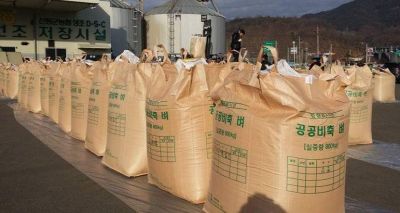
The government has decided to purchase 50,000 tons of private stockpiled rice from the 2023 harvest to be used for food aid, considering the need to expand food aid volumes and stabilize rice prices in producing regions during the harvest season.
On the 29th, the Ministry of Agriculture, Food and Rural Affairs announced plans to utilize 50,000 tons of private stockpiled rice for food aid out of the total 100,000 tons of food aid volume planned for next year, which is an increase compared to this year.
At the G7 Summit in May this year, President Yoon Suk-yeol announced a plan to expand the scale of food aid through the United Nations World Food Programme (WFP) to 100,000 tons starting next year. The Ministry expects that utilizing 50,000 tons of increased volume from private stockpiles next year will contribute to enhancing national prestige as well as stabilizing rice prices.
Regarding rice supply and demand, the Ministry forecasts that the supply and demand of 2023 rice will be relatively stable; however, it notes that temporary inventory burdens due to increased purchases by the NongHyup and the spread of anxiety in the field are leading to a decline in rice prices in producing regions. Therefore, the Ministry plans to use the NongHyup’s stockpiles in regions where purchase volumes are higher and rice prices have fallen significantly compared to the previous year for next year’s food aid, aiming to maintain stable rice prices during the harvest season. Additionally, the Ministry will continuously monitor rice price trends in producing regions and implement further rice price stabilization measures if necessary.
The Ministry plans to allocate food aid volumes by the end of this year to reduce inventory burdens and conduct purchases within the allocated volume in April next year. Since the purchased volume will be immediately sent overseas for aid without being stored in government grain warehouses, it is expected to have greater effects on reducing storage costs and stabilizing rice prices compared to the past method of storing for a certain period and then disposing of it for uses such as ethanol production.
Park Su-jin, Director of the Food Policy Bureau at the Ministry of Agriculture, Food and Rural Affairs, said, "Since the food aid volume, which was 50,000 tons, will increase to 100,000 tons next year, more people in regions experiencing food crises will benefit. We are steadily implementing rice price stabilization measures announced on the 8th, including the full purchase of 120,000 tons of paddy rice and special disposal of 400,000 tons of government grain for feed use. Adding the plan announced today to utilize 50,000 tons of private stockpiles for aid will help rice prices in producing regions stabilize."
© The Asia Business Daily(www.asiae.co.kr). All rights reserved.
![Clutching a Stolen Dior Bag, Saying "I Hate Being Poor but Real"... The Grotesque Con of a "Human Knockoff" [Slate]](https://cwcontent.asiae.co.kr/asiaresize/183/2026021902243444107_1771435474.jpg)
















