The Rural Development Administration (RDA) announced on the 23rd that following last year's development of Styrofoam alternative packaging materials using mushroom mycelium, it is now developing mushroom leather technology through public-private collaboration and moving towards commercialization.
An RDA official explained, "Mushrooms, loved as food ingredients, are gaining attention as alternative leather materials," adding, "The mycelium, the root part of mushrooms, consists of fine thread-like hyphae intricately woven like a net, making it highly useful as an industrial material."
The RDA selected the mycelium of Ganoderma lucidum, which grows faster and more uniformly than other mushrooms, then placed cotton fibers on sawdust, an agricultural byproduct, and cultivated the mycelium to grow there. Only the grown mycelium was harvested and processed through wet treatment and other steps to create mushroom leather fabric. Subsequently, to enhance the quality of the mushroom leather and accelerate commercialization, a public-private collaboration system was established with farmers and industries.
The research team transferred cultivation technology to farmers and supported them with excellent strain production techniques. Farmers used large-scale mushroom cultivation facilities to mass-produce mushroom leather fabric. Processing specialists added steps to improve the durability of the fabric cultivated by farmers and to add patterns, enhancing product value and refining the technology to achieve a texture similar to animal leather.
Durability analysis of the mushroom leather material, conducted by the Korea Apparel Testing & Research Institute, showed that the tensile breaking load and tear load?indicators of toughness?were 1.7 times and 3.5 times superior, respectively, compared to the recommended standards for leather textile products. Additionally, the fabric's abrasion resistance was 30,000 cycles, exceeding the recommended standard of 20,000 cycles.
Generally, animal leather processing involves using large amounts of chemicals to convert animal proteins into mineral proteins. Most processing steps are wet processes, consuming significant water and generating large amounts of solid waste. In contrast, mushroom leather can reduce carbon emissions and water usage by over 90% and uses no harmful chemicals, making it environmentally friendly, according to the RDA.
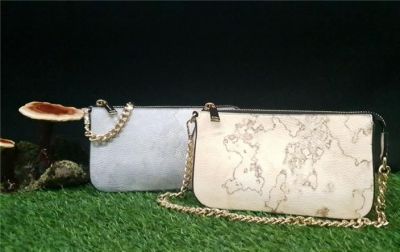
The RDA has completed patent registration for this technology. Moving forward, detailed commercialization discussions with leather specialty companies will be conducted to quickly introduce various mushroom leather products such as handbags and accessories to the market.
Jang Gap-yeol, head of the National Institute of Horticultural and Herbal Science at the RDA, said, "This research is meaningful in that it established a cooperative system for mushroom leather manufacturing technology with high commercialization potential through public-private collaboration," adding, "Beyond leather materials, we will work with farmers and related companies to lead market expansion by developing mushroom mycelium into various products such as packaging materials, cushioning materials, and building materials."
© The Asia Business Daily(www.asiae.co.kr). All rights reserved.

















