Structural Changes in Tipping Culture Due to Kiosk Adoption
Americans Not Leaving Tips at Fast Food Restaurants and Cafes
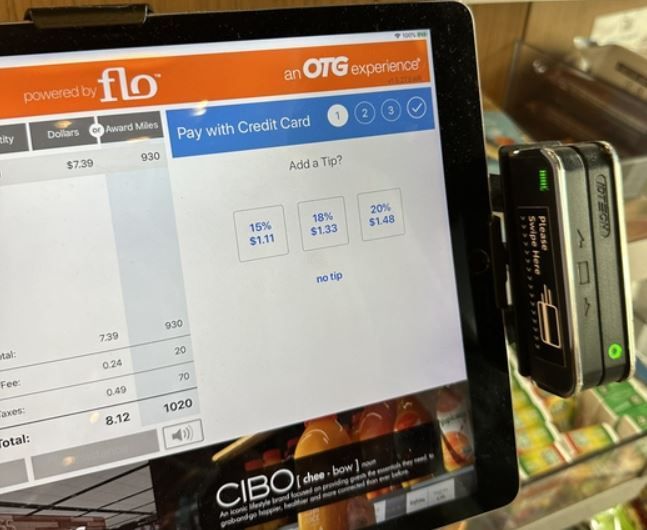
The 'tip culture' that has dominated American restaurants has become embroiled in a new controversy. As kiosks have been introduced in U.S. restaurants, consumers have begun to express dissatisfaction with the practice of tipping.
On the 9th (local time), the U.S. Washington Post (WP) reported the results of a consumer survey on tipping culture conducted by the American polling organization Pew Research. Pew Research surveyed 11,945 American adults, with the background of the survey being the widespread adoption of kiosks recently and the increase in businesses mandating tips due to high inflation, indicating structural changes in tipping culture.
Among respondents, 49% said they decide whether to tip depending on the situation. Only 29% of consumers considered tipping mandatory. In fast-food restaurants and cafes where kiosks have been introduced, the number of Americans who tip was significantly low?12% and 25%, respectively.
On the other hand, in restaurants where kiosks have not yet been introduced, 92% of respondents said they tip. Additionally, 77% of respondents said they tip when satisfied with the quality of service, while only 23% said they tip due to social pressure.
The services Americans primarily tip for were hair salons (78%), bars (70%), and taxis (61%). This suggests that tipping among American consumers is mainly a concept given when satisfied with 'face-to-face service.'
Because of this, the introduction of kiosks has become a new point of controversy in the tipping culture that has dominated the American food service industry since the 19th century. The criticism is why consumers should tip when they order by themselves through kiosks.
In May, the U.S. financial media outlet Wall Street Journal (WSJ) also introduced conflicts within the U.S. surrounding tipping culture. According to the media, in the U.S., after ordering via kiosks, a prompt appears requesting a tip of 10-20% of the product price, which has caused significant consumer backlash.
One consumer expressed that they refuse the tip request message every time it appears but said it feels like "a kind of emotional blackmail."
© The Asia Business Daily(www.asiae.co.kr). All rights reserved.
![Clutching a Stolen Dior Bag, Saying "I Hate Being Poor but Real"... The Grotesque Con of a "Human Knockoff" [Slate]](https://cwcontent.asiae.co.kr/asiaresize/183/2026021902243444107_1771435474.jpg)
















