SFTS and Tsutsugamushi Disease Causing 'Hairy Mites'
7 out of 10 People "Did Not Even Know They Were Bitten by Mites"
It has been found that 7 out of 10 people bitten by the so-called 'killer tick,' the tsutsugamushi mite, do not realize they have been bitten.
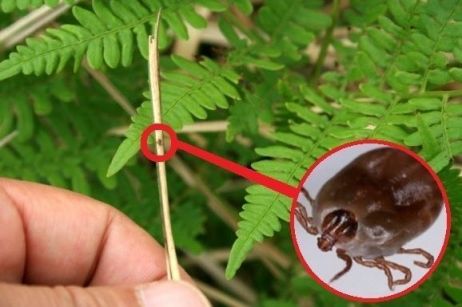
According to the Korea Disease Control and Prevention Agency (KDCA) on the 3rd, 188 patients have been reported to have contracted Severe Fever with Thrombocytopenia Syndrome (SFTS), which is transmitted by the 'killer tick,' from January this year to the 28th of last month. Among them, 37 have died, resulting in a fatality rate of 19.7%.
SFTS is transmitted through bites from the small soft tick infected with the virus. Symptoms such as fever, fatigue, gastrointestinal symptoms, muscle pain, headache, and neurological symptoms appear within 5 to 14 days after being bitten.
An analysis of 183 patients with completed epidemiological investigations showed that 63 cases (29.4%) were related to gardening activities, and 53 cases (24.8%) were linked to one-time outdoor activities.
The problem is that many people bitten by ticks that cause the highly fatal infectious disease SFTS do not even realize they have been bitten.
According to the KDCA, among the 183 patients investigated epidemiologically, 133 (72.7%) were unaware that they had been bitten by ticks.
Among the 50 patients (27.3%) who recognized the tick bite, the detailed locations of the bites were ▲legs/feet (42.4%) ▲face/neck (11.9%) ▲abdomen (8.5%) ▲shoulders (8.5%) ▲arms (8.5%) ▲hands (8.5%).
Hairy Ticks Cause SFTS and Tsutsugamushi Disease... "Special Caution Needed"
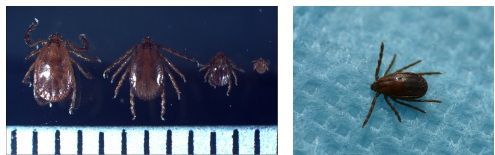
Tsutsugamushi disease causes not only SFTS but also 'tsutsugamushi disease' itself.
According to the KDCA, the trap index of hairy ticks, the main vector of tsutsugamushi disease, was 0.91 as of the 27th of last month, more than double the average for the same period in previous years. The trap index refers to the number of hairy ticks collected divided by the number of traps used.
Tsutsugamushi disease can be relatively easily treated with appropriate antibiotics in the early stages of infection, but many cases miss the treatment window because the bite is unnoticed and symptoms are mistaken for a common cold or flu, so careful monitoring of symptoms is necessary.
The main activity period of hairy ticks is from September to December, with the highest activity in early November. Since there are no vaccines or treatments for preventing SFTS and tsutsugamushi disease, special caution is required.
When engaging in outdoor activities (such as in grassy areas where ticks are abundant), it is advisable to ▲avoid leaving clothes on the grass or lying down ▲sit on a mat and wash and dry the mat in the sun after use ▲avoid urinating in grassy areas ▲stay on hiking trails and avoid off-trail paths ▲wear work clothes instead of everyday clothes during work, keep sleeves tightly closed, and tuck pants into socks ▲avoid contact with wild animals that may carry ticks ▲use tick repellents during work and outdoor activities.
After outdoor activities, efforts should be made to ▲shake off and wash clothes thoroughly ▲take a shower or bath ▲carefully check for ticks on the hair, around the ears, under the arms, waist, behind the knees, and between the legs.
A KDCA official emphasized, "It is important to check for tick bites while showering," and added, "If you have suspicious symptoms, you can report to the 24-hour 1339 Disease Call Center to receive guidance on how to proceed."
※ Tsutsugamushi Disease Symptoms by Stage
-Fever
-General weakness
-Headache
○ Secondary Symptoms
-Red rash appears all over the body 2 to 3 days after the primary symptoms
○ Tertiary Symptoms
-Fever and rash develop
-A black scab called a 'scab' about 0.5 to 2 cm in size forms at the site where the tick larva bit
© The Asia Business Daily(www.asiae.co.kr). All rights reserved.