Text Preference Higher in Women than Men
Job-Related Inquiries More Often via Text than Phone
As the number of MZ generation individuals experiencing tension, anxiety, and fear during phone calls increases, a survey revealed that they primarily use text messages and chat functions rather than phone calls for job-related inquiries such as part-time job applications and interviews.
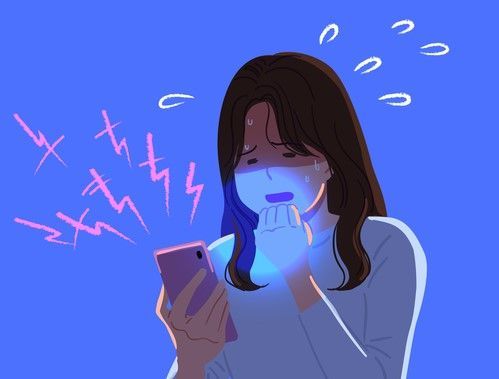
According to a survey conducted by 'Alba Cheonguk,' a specialized portal for part-time job recruitment and job seeking, targeting 1,496 MZ generation respondents, 35.6% reported experiencing symptoms of call phobia, an increase of 5.7 percentage points from 29.9% in the same survey last year. The preferred communication method also rose from 61.4% to 70.7% for 'text communication such as SMS and messaging apps.'
By gender, 45.7% of women reported experiencing call phobia symptoms, more than twice the 20.9% reported by men. Preference for text-based communication was also higher among women, at 75.9%.
The biggest difficulty MZ generation respondents associate with phone calls was "having to answer immediately without time to organize thoughts" (60.0%, multiple responses allowed). Other reasons cited for difficulty with phone calls included ▲worrying about not being able to express thoughts properly (55.9%) ▲being much more accustomed to non-face-to-face communication such as texts and messages (51.6%) ▲concern about not understanding the other party well (29.5%) ▲feeling anxious during silence when there is nothing to say (24.2%).
The most commonly reported symptom among MZ generation individuals experiencing call phobia was "high tension and anxiety before answering the phone" (64.0%). Additionally, ▲delaying or not answering calls (51.2%) ▲worrying excessively about what to say or what was said during the call (47.8%) ▲physical changes such as rapid heartbeat or cold sweat during phone calls (22.0%) were also mentioned.
As coping methods for call phobia, respondents reported ▲not answering calls from unknown numbers (39.2%) ▲minimizing phone calls and communicating mainly via email or text (28.8%) ▲preparing a script before making phone calls (28.4%) in that order.
© The Asia Business Daily(www.asiae.co.kr). All rights reserved.

















