"Important for Research on Bell-Making Crafts such as Metalwork, Design, and Casting"
Geumryeongchong and Seobongchong Gold Belt Ornaments Designated as Treasures
The 'Buan Naesosa Bronze Bell,' the largest among late Goryeo period bronze bells, will be elevated to the status of a National Treasure. The Cultural Heritage Administration announced on the 31st that it will finalize the designation after collecting opinions from various sectors for a month and undergoing a review by the Cultural Heritage Committee.
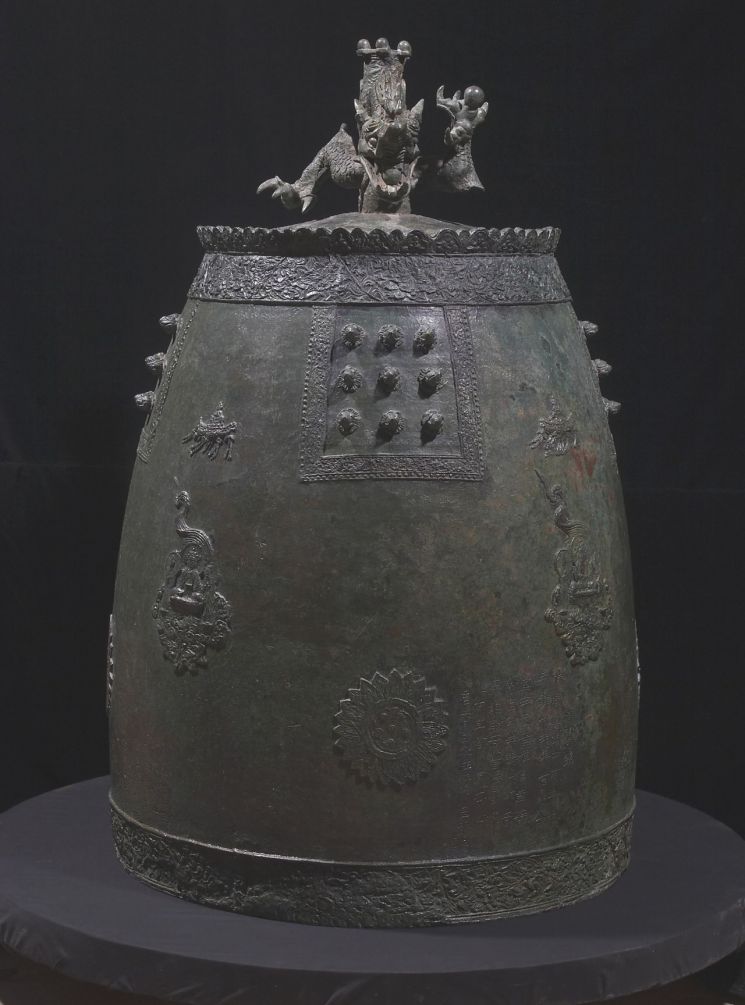
This piece inherits the tradition of Unified Silla while exhibiting characteristics of the Goryeo period. According to the bell inscription, it was crafted in 1222 under the supervision of bell casters Heo Baek and Jong Ik, with artisan Han Jung-seo as the maker. Originally enshrined at Cheongrimsa Temple, it was relocated to Naesosa Temple in 1850.
The Naesosa Bronze Bell has been managed as a Treasure since 1963, regarded as a prime example of late Goryeo bronze bells. The Cultural Heritage Administration explained, "It possesses outstanding decorative and sculptural qualities, such as the dynamic dragon-shaped handle designed as if flying through the air, the shoulder area adorned three-dimensionally with lotus flower patterns, the body featuring bas-relief of the Triad Buddha figures instead of celestial beings, four delicately crafted lotus petal-shaped sound openings, and well-balanced proportions with beautiful curvature."
Han Jung-seo, the maker, was an artisan active from the early to mid-13th century. Recognized for his skills as a private craftsman (sajang), he became an official artisan (gwanjang) affiliated with government offices. His representative works include the Naesosa Bronze Bell, Goryeongsa Bronze Drum (1213), Bokcheonsa Bronze Drum (1238), Sinryongsa Inscribed Small Bell (1238), and Okcheonsa Bronze Drum (1252).
Among these, the Naesosa Bronze Bell is considered to have the highest academic value. The Cultural Heritage Administration stated, "Its style, design, and casting are crucial for the study of Korean temple bells and production techniques. The provenance, donors, and maker are precisely recorded in the bell inscription, necessitating protection as a National Treasure."
Meanwhile, the Cultural Heritage Administration announced the preliminary designation of five items as Treasures on the same day: the 'Gold Belt Excavated from Geumryeongchong in Gyeongju,' the 'Gold Belt Excavated from Seobongchong in Gyeongju,' the 'Celadon Incised Parrot Pattern Jeongbyeong,' the 'Collected Works of Scholar Bokjae,' and the 'Wooden Seated Sakyamuni Buddha Statue and Associated Artifacts from Seonchalsa Temple in Andong.'
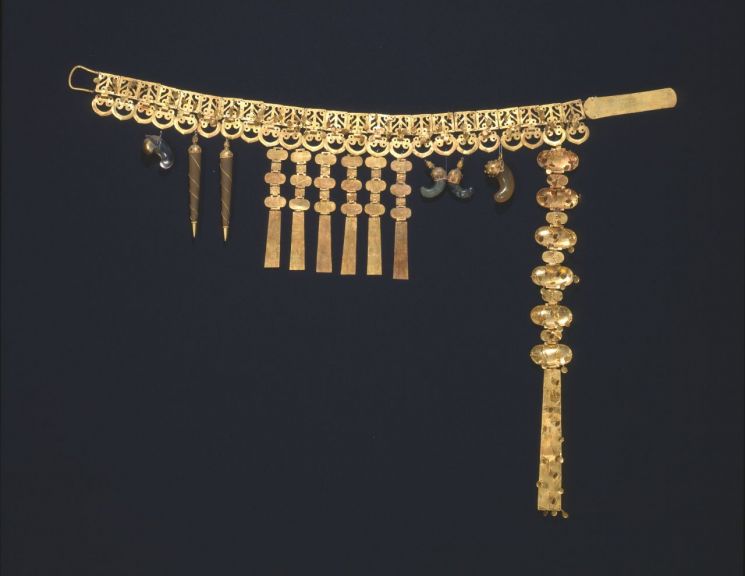
The gold belt excavated from Geumryeongchong in Gyeongju was unearthed by the Joseon Government-General Museum in 1924 from the Silla tomb known as Geumryeongchong. Geumryeongchong is a stone-cist tomb with a rectangular pit inside the burial mound. Significant artifacts such as a gold crown (Treasure), a horse-riding figure on pottery (National Treasure), and gold belts were excavated. One of these gold belts was found worn around the waist of the interred individual. Originally connected to leather and fabric, only the gold decorations remain today.
The belt consists of a belt hook (?gu), belt ornament plate (?pan), belt end ornament (daedang geumgu), and a pendant (yopye). The pendant is shorter than those found in other Silla tombs, suggesting the tomb owner was a minor. The Cultural Heritage Administration explained, "The pencil-shaped (conical) pendant wrapped with gold thread and the method of decorating the curved bead cap with a net pattern filled with glass are unique cases not seen in other belts."
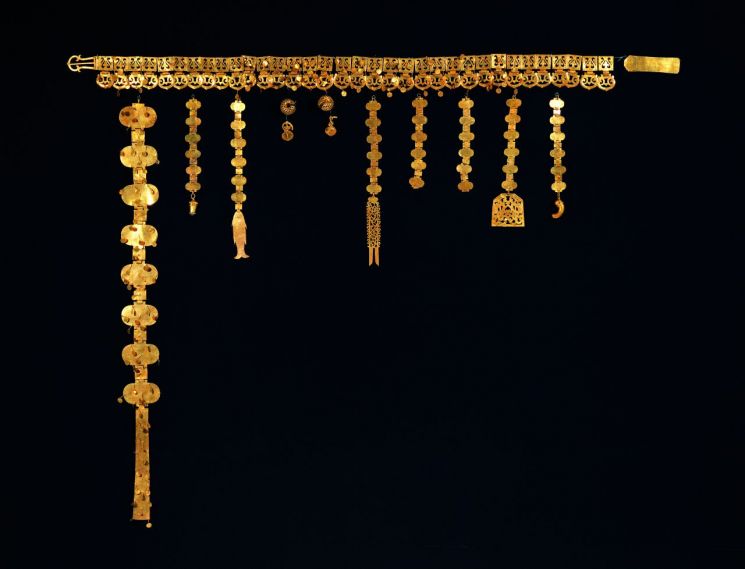
The gold belt excavated from Seobongchong in Gyeongju was unearthed by the Joseon Government-General Museum in 1926 from the Silla tomb called Seobongchong. Seobongchong is also a stone-cist tomb. Numerous artifacts were found during excavation, including a gold crown (Treasure), gold earrings, and a silver box inscribed with 'Year 1 of Yeonsu, Sinmyo (延壽元年辛卯).' Among these, the belt reflects the developmental process of Silla gold belts well. The Cultural Heritage Administration stated, "The central motif of the belt ornament plate on the gold belt from Hwangnamdaechong South Tomb, known as the oldest, has been maintained as a symmetrical three-leaf pattern. The central motif on the Seobongchong gold belt is pointed in shape. Along with the gold belt from Geumgwanchong (National Treasure), it exhibits the most splendid decoration."
The artistic value is also evident in the pendant decorations. While other Silla tomb belts combine glass and jade, the Seobongchong gold belt is mostly made of gold. It is also the longest among gold belts excavated from Silla tombs. The Cultural Heritage Administration evaluated, "Based on the internal patterns of the belt ornament plate and pendant decoration techniques, it is positioned between the earliest-made Hwangnamdaechong South Tomb gold belt and the latest-made Geumryeongchong gold belt, allowing us to observe the flow of production techniques at the time."
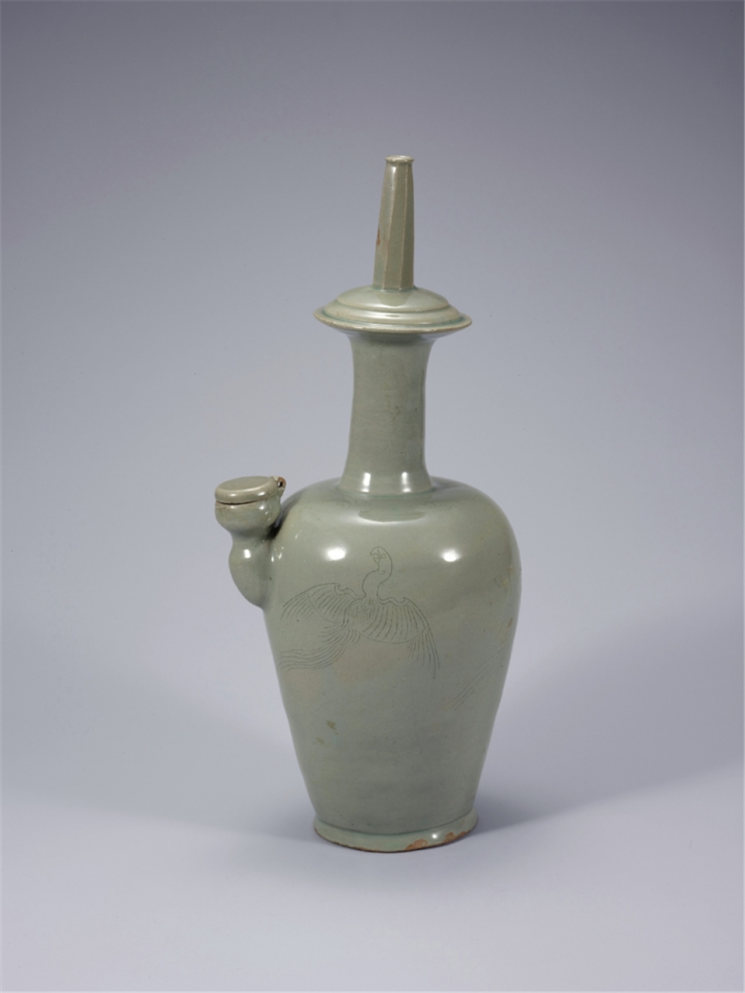
The Celadon Incised Parrot Pattern Jeongbyeong is a Buddhist ritual vessel made of celadon around the 12th century. It is a jeongbyeong (a vessel used to offer clean water before Buddha) with a convex, belly-shaped body and a spout on the side for pouring water. Above the body is a handle for pouring. It boasts excellent preservation without any repaired parts. Compared to other existing jeongbyeong vessels, its handle is relatively short. However, it is plump in volume, and the glaze and surface condition are excellent, giving it high academic value. The pattern is also a rare example, featuring parrots with wings fully spread, incised in three places on the body. The Cultural Heritage Administration added, "Parrot motifs in Goryeo celadon are mainly found on feet and dishes. It is rare to find them on jeongbyeong vessels."
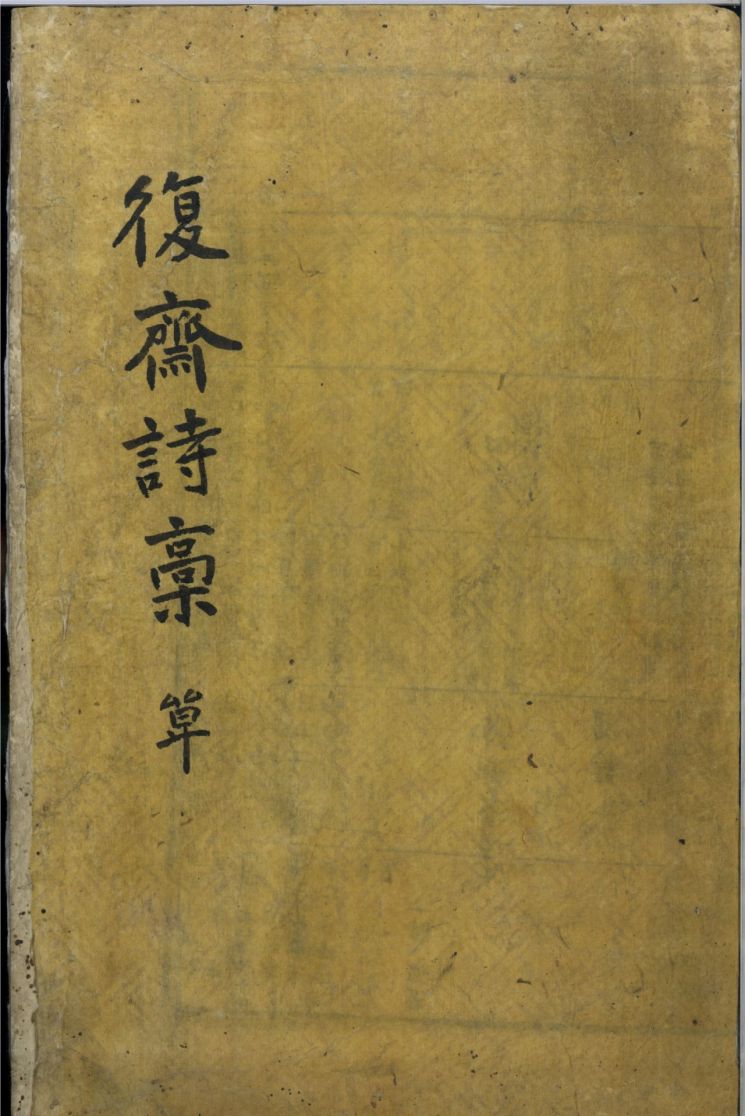
The Collected Works of Scholar Bokjae is a posthumous collection of poetry and writings by Bokjae Jeong Chong (1358?1397), a founding meritorious subject of the Joseon Dynasty. His son Jeong Hyochung collected and arranged the works, and his grandson Jeong Ok-gyeong edited them. The woodblocks were completed under the supervision of Hwangbo Yang, the governor of Suyangyangdoho-bu. The upper volume contains 172 poems, and the lower volume includes 45 prose pieces. It features works such as the official history 'Goryeosa,' co-authored with Jeong Do-jeon, and the commendation letter 'Gyomunhachanseongsa Jeong Mong-ju Seo,' praising Jeong Mong-ju's achievements. The Cultural Heritage Administration explained, "'Goryeosa,' 'Goryeosa Jeolyo,' and 'Taejo Sillok' are supplemented by this collection, enabling the understanding of historical and political facts of the late Goryeo and early Joseon periods, as well as confirming Jeong Chong's literary character and personal networks." They added, "It is also very important for studying the reality and organizational system of early Joseon publishing and printing culture, as it reveals the roles and names of those responsible for the publication."
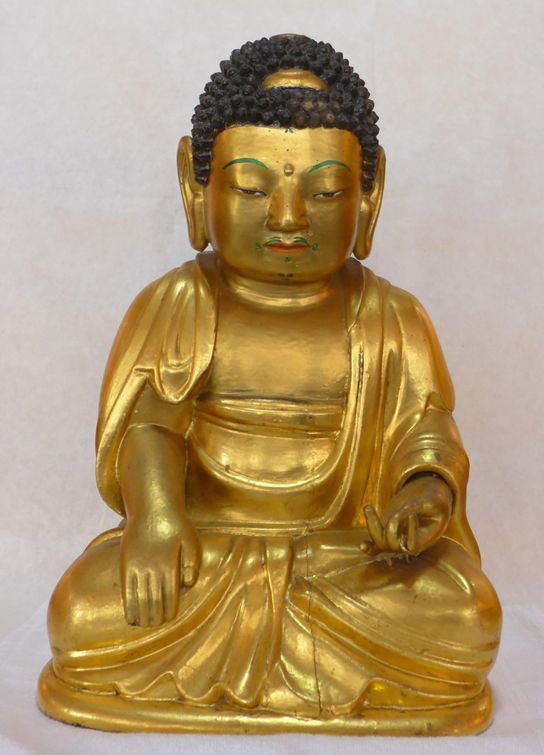
The Wooden Seated Sakyamuni Buddha Statue and Associated Artifacts from Seonchalsa Temple in Andong were created in 1622 by the era's top sculptor monks, including Hyeonjin, Eungwon, Suyeon, Seongin, and Ingyeon. The statue depicts a solitary seated Sakyamuni Buddha with a large head and narrow knees. The figure has a sturdy build and dignified facial features, but the plump cheeks give an overall cute impression. According to the votive inscription, the statue was commissioned by Queen Jangryeol, the consort of King Gwanghaegun. It was made to be enshrined in Jasusas and Insusas, temples where royal concubines entered monastic life. The provenance is also confirmed by the handwritten note 'Byeongja Saeng Wangbi Yussi Myeongui (丙子生王妃柳氏命衣)' found in the statue's relics, referring to Queen Jangryeol's jeogori (upper garment). The Cultural Heritage Administration explained, "This shows that the statue was made as a personal vow of the queen and is very important for the study of Korean costume history, as it reveals a complete form of 17th-century Joseon royal court attire."
© The Asia Business Daily(www.asiae.co.kr). All rights reserved.



















