Increase in Influenza and Cold Cases Among Infants and Toddlers
Shortage Signs of Prescription-required Antipyretic Analgesic Syrups
"Low Drug Prices Are the Primary Cause"
Temporarily Raised Prices for Acetaminophen Tablets Released
"Recently, due to the large temperature differences between day and night, the number of coughing infants and young children has increased, leading to a shortage of compounded antipyretic analgesic syrups (liquid medicine). Especially when the pediatric prescription says 'Tylenol' (the original product name of the acetaminophen series), it makes us very anxious."
Yoon, a 45-year-old pharmacist running a pharmacy in Mapo-gu, Seoul, expressed concern on the 31st that a pediatric cold medicine crisis might occur as the number of pediatric respiratory patients continues to rise daily. He said, "At our pharmacy alone, the amount of compounded antipyretic analgesic syrup dispensed has more than doubled in the past month. However, syrup is frequently out of stock on pharmaceutical wholesale websites," adding, "Even cough expectorant syrups are hard to obtain, causing difficulties in dispensing."
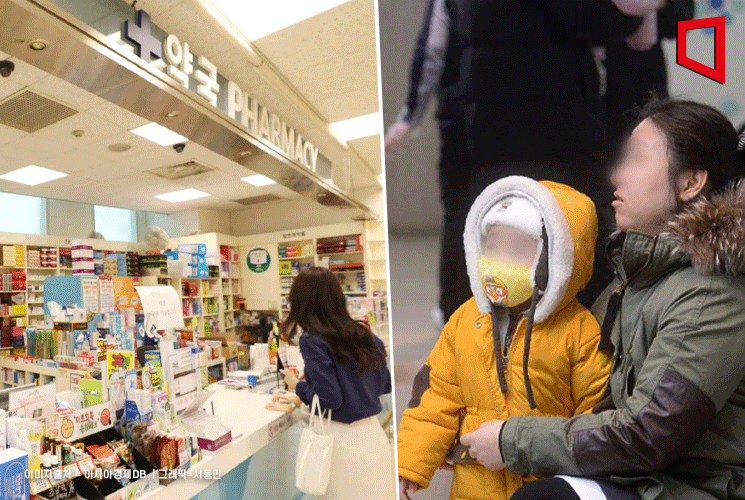
With the change of seasons, respiratory patients, mainly children, suffering from influenza and colds have begun to increase. Although the weather has not yet become fully cold, some pharmacies are already reporting signs of a shortage of compounded antipyretic analgesic syrups. Unlike over-the-counter drugs that patients or guardians can purchase without a prescription, compounded medicines refer to pharmaceuticals dispensed after a doctor's prescription from pediatric, internal medicine, or other clinics and hospitals.
According to the pharmacy community, the compounded antipyretic analgesic syrups prescribed to children mainly contain ingredients such as acetaminophen, ibuprofen, and dexibuprofen. Although the demand for related antipyretic analgesic syrups has greatly increased due to the rise in pediatric respiratory patients, additional supply is not smooth, according to pharmacy officials.
Park, a 51-year-old pharmacist in Gwanak-gu, Seoul, said, "Since COVID-19, 'pediatric open runs' have become an annual event among parents with young children, leading to many cases where antipyretic syrups are prescribed for emergency purposes. If this continues, during the winter when respiratory patients peak, parents will likely be seen going from pharmacy to pharmacy with prescriptions," emphasizing, "It is time for the government to take drastic measures."
Currently, the number of respiratory infectious disease patients in the younger age group is entering a rising phase. According to the Korea Disease Control and Prevention Agency, the number of suspected influenza patients was 18.8 per 1,000 people during the week of the 15th to the 21st. Patients who visit clinics or hospitals with sudden fever above 38 degrees Celsius, cough, and sore throat are classified as suspected cases, which is a 21.3% increase from the previous week (15.5). This is about eight times higher than the influenza epidemic threshold of 6.5 for this season. The increase is especially rapid among age groups 1?6 years old (17.8) and 7?12 years old (50.4). The number of patients hospitalized with acute respiratory infections similar to cold symptoms caused by adenovirus, rhinovirus, respiratory syncytial virus (RSV), etc., also increased by 23.1% (from 872 to 1,073).
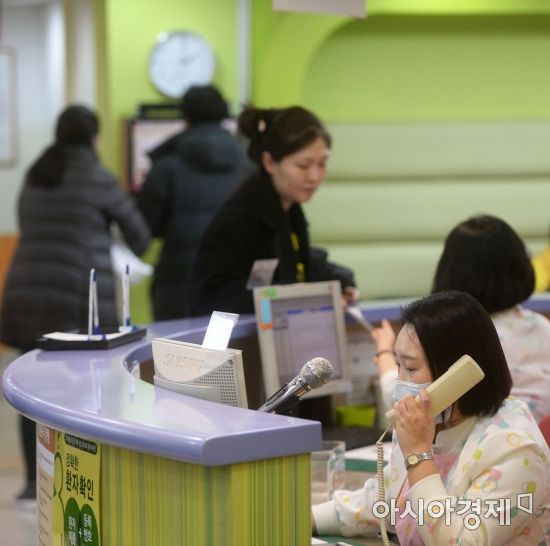 Crowded Pediatrics Department
Regarding acetaminophen tablets, which experienced supply difficulties last year, pharmaceutical industry officials (Korean Pharmaceutical Association) say that this year they have been widely available on the market. This is attributed to the Ministry of Food and Drug Safety's temporary price increase of acetaminophen 650 mg tablets from 50?51 won to 70?90 won per tablet starting last December, which led pharmaceutical companies to significantly increase production compared to normal times. The temporary price increase was originally scheduled to end next month but was recently extended by four months by the Health Insurance Policy Deliberation Committee of the Ministry of Health and Welfare. The ministry explained, "This measure is to respond to the increased demand for cold patients during the winter season and to consider the prescription and dispensing period for the mandatory production volume of pharmaceutical companies."
However, the shortage of antipyretic analgesic syrups remains. The pharmaceutical industry points to the unchanged drug price for 20 years as the cause of the chronic supply imbalance of antipyretic analgesic syrups. While prices continue to rise, pharmaceutical companies, which need to make a margin, are increasingly dependent on inexpensive overseas active pharmaceutical ingredients from countries like China and India. Profitability is declining, and when overseas supply chains are disrupted, even the supply of active pharmaceutical ingredients becomes difficult. As a solution, pharmaceutical companies advocate for a realistic price increase, and some pharmacists suggest allowing alternative dispensing and deleting product codes for discontinued medicines.
© The Asia Business Daily(www.asiae.co.kr). All rights reserved.

















