Discharge of 7,800 Tons of Contaminated Water Scheduled Over 17 Days
Japan's Tokyo Electric Power Company (TEPCO) will begin the third phase of releasing contaminated water from the Fukushima Daiichi Nuclear Power Plant into the ocean on the 2nd of next month, Kyodo News reported on the 26th.
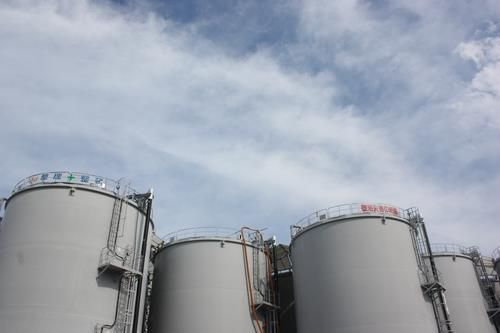 A group of tanks used to store and measure the radioactivity concentration of the rough contaminated water from the Advanced Liquid Processing System (ALPS) at the Fukushima Daiichi Nuclear Power Plant before discharge.
 [Photo by Yonhap News]
TEPCO plans to discharge 7,800 tons of contaminated water over approximately 17 days during the third phase, similar to the first and second phases.
Preparation work for the third discharge will start on the 30th. A small amount of contaminated water diluted with seawater will be placed in a large tank to measure the concentration of the radioactive substance tritium. If no issues are found, the third discharge will proceed as scheduled.
On the 19th, TEPCO announced that trace amounts of radioactive nuclides such as carbon-14, cobalt-60, strontium-90, iodine-129, and cesium-137 were detected in samples of contaminated water for the third discharge. However, since these levels were below the regulatory concentration limits, the discharge met the standards.
Previously, TEPCO discharged 7,788 tons of contaminated water during the first phase between August 24 and September 11, and 7,810 tons during the second phase from the 5th to the 23rd into the sea in front of the nuclear plant.
During the second discharge period, seawater collected near the drainage outlet on the 21st showed a tritium concentration of 22 becquerels (Bq) per liter, which was above the detection limit. This was the highest level recorded since the contaminated water discharge began.
TEPCO has set a threshold of 350 Bq per liter of tritium within 3 km of the plant; if levels exceed this, an investigation will be initiated. If tritium levels exceed 700 Bq per liter, the discharge will be halted.
TEPCO plans to release a total of 31,200 tons of contaminated water into the ocean over four phases by March next year.
As of the 12th, approximately 1,335,000 tons of contaminated water are stored at the Fukushima Daiichi Nuclear Power Plant.
Meanwhile, an accident occurred the previous day during pipe cleaning of the Advanced Liquid Processing System (ALPS), a facility that purifies contaminated water at Fukushima Daiichi. Contaminated water was discharged, causing five workers from a TEPCO subcontractor to be splashed with liquid containing radioactive material. The amount of discharged liquid was about 100 ml and was reported not to have leaked outside. However, two workers showed radiation levels above a certain threshold and were transported to a hospital for continued decontamination.
© The Asia Business Daily(www.asiae.co.kr). All rights reserved.
![Clutching a Stolen Dior Bag, Saying "I Hate Being Poor but Real"... The Grotesque Con of a "Human Knockoff" [Slate]](https://cwcontent.asiae.co.kr/asiaresize/183/2026021902243444107_1771435474.jpg)
















