77 Years of Sempio's Unique Fermentation Microorganism Control Technology
"Finding Fermentation Conditions Optimized for New Varieties"
Sempio announced on the 25th that it has developed a manufacturing technology for '100% domestically produced rice gochujang' using the new domestic rice flour variety 'Baromi2' in collaboration with the Rural Development Administration.
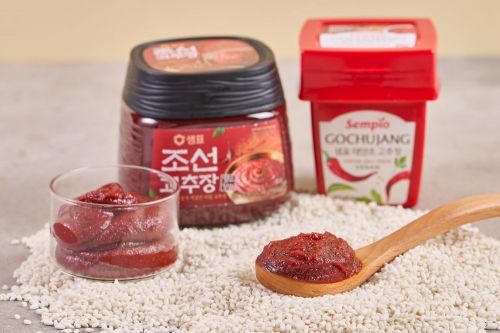
Baromi2 is a new variety developed by the National Institute of Crop Science under the Rural Development Administration to reduce dependence on imported wheat. Compared to regular rice, its starch granule arrangement is looser, making it easier to break and absorb water quickly, which makes it suitable for making fermented pastes and alcoholic beverages.
By applying the new technology developed by Sempio's Woori Fermentation Research Center, not only can the dependence on imported raw materials for gochujang be reduced, but the hydration time (the time required for various ingredients to mix with water and bind at the molecular level) can be reduced by 75%, and fermentation time can be cut in half compared to traditional rice-based gochujang manufacturing methods. The company explained that this could increase Korea's annual gochujang productivity by at least twice.
Choi Yong-ho, head of research at Sempio's Woori Fermentation Research Center, said, "Thanks to our unparalleled microbial control technology accumulated over 77 years and the manufacturing technology of 'Joseon Gochujang,' a secret sauce enjoyed by King Yeongjo of the Joseon Dynasty, which we have reinterpreted to suit modern tastes, we were able to find the optimal pretreatment and fermentation conditions for the new variety and develop this new technology." He added, "As interest and demand for K-sauces such as soy sauce, doenjang, and gochujang continue to grow both domestically and internationally, we will strive to secure global competitiveness with fermented sauces made from domestic rice and delight people around the world with our flavors."
© The Asia Business Daily(www.asiae.co.kr). All rights reserved.

















