Tokyo Electric Power Company (TEPCO) completed the second phase of the Fukushima Daiichi Nuclear Power Plant contaminated water discharge into the ocean, which began on the 5th.
According to NHK on the 23rd, TEPCO completed the second ocean discharge operation as planned at 12:08 PM that day.
TEPCO discharged 7,788 tons during the first phase from August 24 to September 11, and this time discharged 7,810 tons stored in 10 tanks.
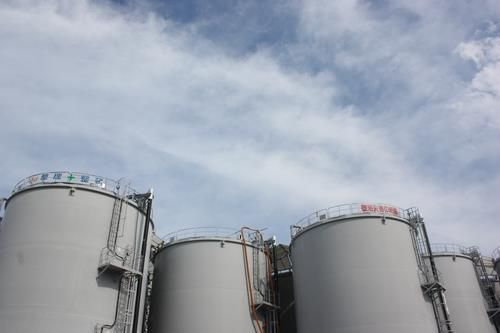
On the 21st, during the second discharge period, seawater collected near the discharge outlet showed a tritium concentration of 22 becquerels (Bq) per liter (ℓ), which was higher than the detection limit. This was the highest level recorded since the contaminated water discharge began.
The tritium concentration in seawater samples collected near the nuclear power plant the previous day was relatively high at 16 Bq per ℓ.
TEPCO explained this as "a phenomenon caused by changes in ocean currents, making tritium easier to detect."
TEPCO’s policy is to start an investigation if tritium levels exceed 350 Bq per ℓ within 3 km of the plant, and to halt discharge if levels exceed 700 Bq per ℓ.
Additionally, during the second discharge period, substances presumed to be rust from inside the tanks adhered to the pump filters used to transfer contaminated water, temporarily lowering pump pressure; however, pressure was restored after filter cleaning, and there was no impact.
After completing the second discharge, TEPCO plans to conduct two more discharges by March next year, disposing of a total of 31,200 tons of contaminated water over four phases.
© The Asia Business Daily(www.asiae.co.kr). All rights reserved.
![Clutching a Stolen Dior Bag, Saying "I Hate Being Poor but Real"... The Grotesque Con of a "Human Knockoff" [Slate]](https://cwcontent.asiae.co.kr/asiaresize/183/2026021902243444107_1771435474.jpg)
















